Probability of Being Overweight After Marriage: 62% for Men, 39% for Women
Frequent Dining Out with Spouse Leads to Higher Calorie Intake
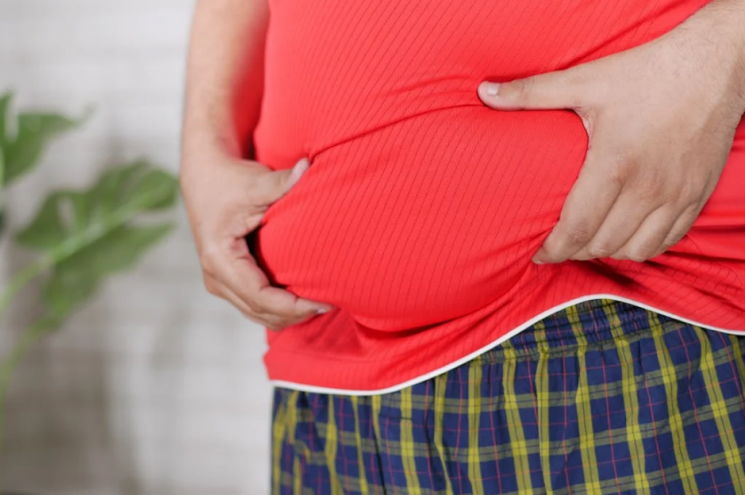
A study revealing that marriage triples the risk of obesity in men has drawn attention, while the risk of obesity in women appears to be largely unrelated to marital status. On the 12th (local time), the British daily The Guardian reported on the analysis of health data from 2,405 men and women with an average age of 50, citing research conducted by the National Institute of Cardiology in Warsaw, Poland.
According to the study presented at the European Obesity Congress held in Malaga, Spain, married men were 3.2 times more likely to be obese than unmarried men. Specifically, married men gained an average of 1.4 kg after marriage. Additionally, there was no change in men's BMI during their wives' pregnancy, but weight began to increase immediately after childbirth. Conversely, men's BMI decreased during the period leading up to and immediately following divorce. The researchers speculated that married life leads to more regular meals and abundant food intake, which causes weight gain. In contrast, the risk of obesity in married women showed little difference compared to unmarried women. When looking at the probability of being overweight, men experienced a 62% increase after marriage, whereas women saw only a 39% increase.
Regarding these findings, Catherine Jenner, director of the UK Obesity Health Alliance, stated, "The issue of being overweight is not simply a personal problem but suggests the influence of social, psychological, and environmental factors." Other experts analyzed, "Married men tend to eat more frequently with their spouses and dine out often, leading to higher calorie intake," and "Physical activity tends to decrease after marriage, increasing the likelihood of weight gain."
However, there is another interpretation of the study results. Jim Pollard, a consultant at the UK Men's Health Forum, pointed out, "Weight gain in men after marriage may be due not only to lifestyle changes but also to factors such as long working hours, stress, and unhealthy eating habits," cautioning that "the study results should not be interpreted too definitively." He further emphasized, "Men have a higher risk of premature death from heart disease and cancer than women, and weight gain is closely related to these diseases."
Similar research results have previously emerged in China. A study published last year reported that the proportion of overweight men increased by 5.2% and obesity by 2.5% among married men. The researchers analyzed that these changes were due to increased calorie intake and decreased physical activity during the first five years after marriage.
The Guardian also noted that factors increasing obesity risk may operate differently by gender. For women, depression and lack of health literacy were identified as factors raising obesity risk. Depression doubled the risk of obesity in women, and lack of health literacy increased it by 43%. Women living in small communities also had higher rates of obesity occurrence.
© The Asia Business Daily(www.asiae.co.kr). All rights reserved.
![Clutching a Stolen Dior Bag, Saying "I Hate Being Poor but Real"... The Grotesque Con of a "Human Knockoff" [Slate]](https://cwcontent.asiae.co.kr/asiaresize/183/2026021902243444107_1771435474.jpg)















