Rising Supply Costs for Major Retailers Due to Tariffs on China
Pork Exports to China and Canada Blocked
Predicted Impact... Consumer Goods Hit First
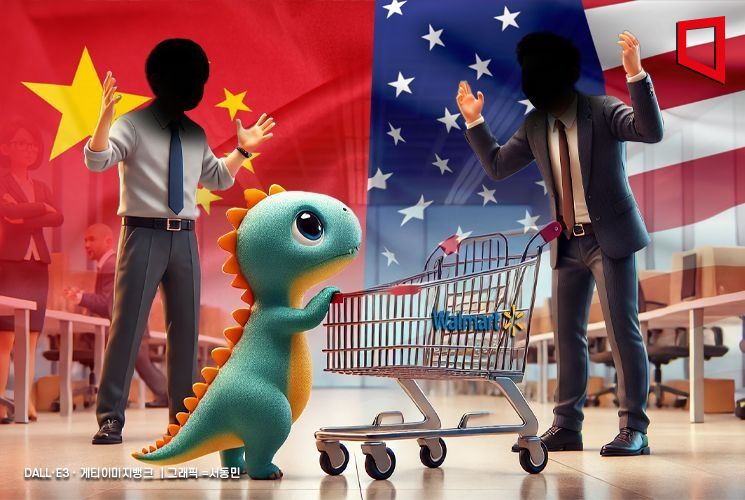
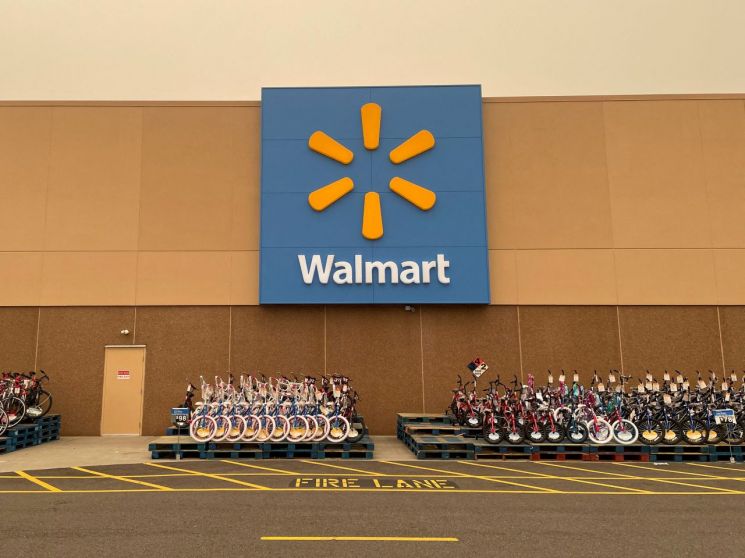
Even Walmart, the world's number one retail company, has been shown to be helpless in the face of the US-China trade war. In the process of seeking self-help measures to overcome the cost burden caused by US tariffs on China, it is now in a situation where it has to consider the Chinese government's stance. Costco, a membership-based large-scale retailer, as well as Smithfield Foods, a major player in the food industry, are also facing growing concerns.
On the 12th (local time), Bloomberg News reported that several officials, including those from China's Ministry of Commerce, met with Walmart to discuss price negotiations with suppliers in China. This came just one day after reports surfaced that Walmart pressured its Chinese partners to lower prices due to the impact of tariff measures.
It is believed that Walmart, which tried to pressure its partners to reduce supply prices to offset the cost burden imposed by US tariffs on China, has upset Chinese authorities. The source of the news that the Chinese government summoned Walmart's management is Weibo, a social networking service linked to China Central Television, a Chinese state media outlet. Bloomberg noted, "This is often known to reflect the Chinese government's stance on trade-related issues."
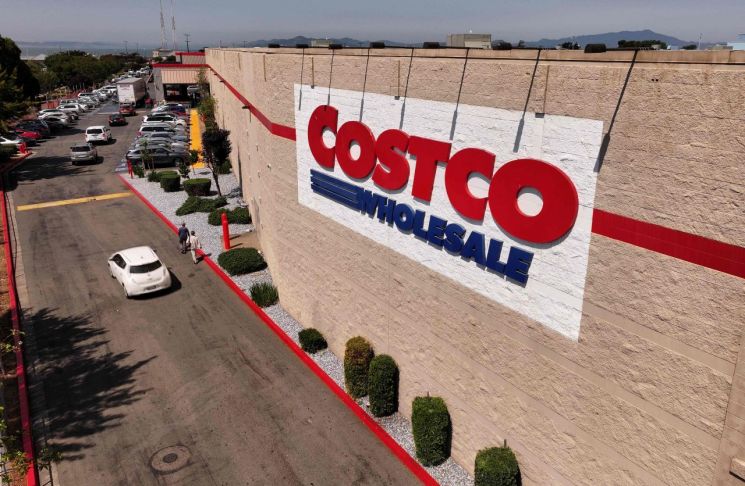
Costco, which is also familiar in South Korea, is facing deep concerns. In the fiscal year 2025 second-quarter earnings announcement, Ron Vachris, CEO of Costco, acknowledged the impact of tariffs, saying, "When it rains, it rains on everyone." He added, "About one-third of Costco's sales in the US are imported goods, and less than half of those are imported from China, Mexico, and Canada." This means that about one-sixth of all products could be exposed to tariff impacts.
Gary Millerchip, Costco's Chief Financial Officer (CFO), stated the principle that "when faced with rising costs, price increases are delayed as much as possible," emphasizing, "The company is absorbing part of the cost increase to minimize the price burden on members." The actual decrease in net profit in the second quarter is also believed to be due to the pre-reflected price increases of products. The second-quarter earnings per share (EPS) were $4.02, slightly below analysts' expectations of $4.09. Despite recording sales of $63.7 billion, which exceeded expectations, the stock price fell about 2% the following day.
The US food industry is also facing similar headaches. According to Reuters, Shane Smith, CEO of Smithfield Foods, the largest pork processing company in the US, expressed difficulties the day before, saying, "When tariffs are imposed, sales become more complicated due to the need to consider global markets and exchange rate fluctuations." This is because pork is included in China's retaliatory tariffs against the US. China is the world's largest consumer of pork and also a demand export country for by-products such as pig stomach, heart, and head, which are not digested domestically. Canada has also completely suspended imports of pork produced at Smithfield's North Carolina processing plant.
The tariff shock, which was predicted early on, is now observed to be affecting the wholesale and retail sectors. John Williams, President of the Federal Reserve Bank of New York, said at a Bloomberg event held in New York on the 4th (local time), "We see the possibility that tariffs will affect inflation and prices," and predicted, "Some effects are expected to appear around the end of this year." He especially expected that consumer goods, including food, clothing, electronics, and furniture, would quickly reflect the impact of tariffs.
The trade war between the two countries has intensified since the beginning of this month. On the 4th, US President Donald Trump signed an executive order to increase additional tariffs from the existing 10% to up to 20%, citing insufficient efforts by the Chinese government to curb fentanyl. In response, China announced it would raise tariffs by 15% on 29 US products including chicken, wheat, corn, and cotton, and increase tariffs by 10% on 711 products including sorghum, soybeans, pork, beef, seafood, fruits, vegetables, and dairy products.
© The Asia Business Daily(www.asiae.co.kr). All rights reserved.



















