Uijeongbu Eulji University Hospital Professor Jaemin Park's Team
Proves Link Between Smoking Cessation Success and Genetic Factors in Korean Men
Lower Success Rate for Quitting Smoking in Individuals With Fast Nicotine Metabolism Genotype
Quitting smoking is something every smoker has tried at least once but finds difficult to succeed at, and new research shows that the reason lies not simply in a lack of willpower but hidden in genes.
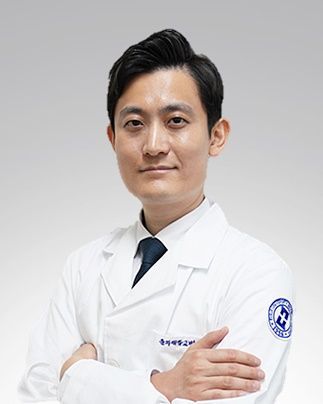 Professor Jae-min Park, Department of Family Medicine, Uijeongbu Eulji University Hospital. Provided by Uijeongbu Eulji University Hospital
On the 13th, according to Uijeongbu Eulji University Hospital, a joint research team consisting of Professor Jae-Min Park from the Department of Family Medicine at Uijeongbu Eulji University Hospital, Professor Ji-Won Lee from the Department of Family Medicine at Severance Hospital, and Kyung-Won Hong, Head of Teragen Health, analyzed the genetic information of 4,364 Korean men and presented these findings.
The research team utilized data from the Korea Genome Epidemiology Study by the Korea Disease Control and Prevention Agency to classify the study subjects into 1,326 non-smokers, 1,684 former smokers, and 1,354 current smokers.
They then analyzed a total of 1,644 single nucleotide polymorphisms (SNPs) across 12 genes related to nicotine metabolism to closely examine the association between genetic variations and smoking cessation success rates.
Single Nucleotide Polymorphism (SNP) refers to a genetic variation where a single nucleotide in the DNA sequence is altered to a different nucleotide.
As a result, six SNPs (rs2431412, rs45625338, rs41297431, rs118063322, rs144769946, rs2715904) showed a significant association with smoking cessation success.
Additional analysis based on a genetic risk score calculated from these six SNPs revealed that higher scores were associated with a greater likelihood of remaining a smoker, supporting the importance of genetic factors in smoking cessation success.
The research team anticipated that using genetic risk scores could predict the likelihood of quitting smoking and help establish personalized strategies for individuals.
For example, individuals with genotypes that metabolize nicotine quickly may experience more severe withdrawal symptoms, so treatment could be intensified or additional counseling provided.
The team also confirmed that the average weekly alcohol consumption of current smokers (219.8g) was significantly higher than that of former smokers (167.6g) or non-smokers (116.9g), and the proportion of regular exercisers was lower among current smokers (46.2%) compared to former smokers (62.2%) and non-smokers (61.7%).
This suggests that lifestyle habits and genetic factors interact complexly in smoking cessation.
Smoking is recognized as a major risk factor causing various diseases, including cardiovascular diseases and cancer.
As of 2023, the smoking rate among Korean men stands at a high level of 32.4%, and statistics released previously showed that between 2011 and 2015, 19.5% of deaths among Korean men were directly related to smoking.
Professor Jae-Min Park stated, “The speed of nicotine metabolism greatly affects smoking cessation success, and this varies according to genetic characteristics,” adding, “This study is significant in that it moves beyond previous Western-centered research and presents the need and foundation for establishing smoking cessation strategies tailored to Koreans.”
He further added, “We will continue genomic research reflecting Korean characteristics and develop various personalized health management programs to contribute to reducing national medical expenses and improving public health.”
Meanwhile, this study was published in the latest 2025 issue of the SCIE-level international journal Lifestyle Genomics.
© The Asia Business Daily(www.asiae.co.kr). All rights reserved.
![Clutching a Stolen Dior Bag, Saying "I Hate Being Poor but Real"... The Grotesque Con of a "Human Knockoff" [Slate]](https://cwcontent.asiae.co.kr/asiaresize/183/2026021902243444107_1771435474.jpg)















