FSS Discloses Major Complaints and Dispute Cases for Q4
5% Indemnity Insurance Discount for Medical Aid Beneficiaries Can Be Applied Retroactively
Debt Collection Prohibited for Long-Overdue Telecommunications Bills Under 300,000 KRW
#Mr. A defaulted on his telecommunications bill in 2017, but this year, eight years later, he received a demand from a debt collection company to repay it. However, citing the fact that telecommunications companies have decided not to collect telecommunications fees under 300,000 KRW that have been overdue for more than three years starting this year, he requested the collection company to stop calling him.
#Mr. B, a subscriber to indemnity insurance, acquired the status of a medical aid beneficiary in 2017 but only learned last year that medical aid beneficiaries are entitled to a 5% discount on insurance premiums. Mr. B requested the insurance company to apply the indemnity insurance premium discount retroactively, but the insurer said the discount would be applied based on the last renewal date of the subscribed product last year, not the date of qualification acquisition. The Financial Supervisory Service (FSS), upon receiving the complaint, ruled that it is correct for the insurer to apply the indemnity insurance premium discount retroactively from the date the beneficiary status was acquired.
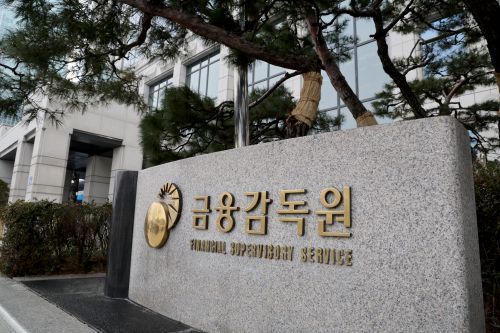
On the 11th, the FSS disclosed the '2024 Q4 Complaints and Dispute Cases and Judgments' and stated that medical aid beneficiaries are entitled to a 5% indemnity insurance premium discount from the date of qualification acquisition, so they should immediately request this from their insurer. Even if the discount application is delayed, retroactive application is possible due to the nature of the product contract, so it is advisable to apply late rather than not at all.
Additionally, starting this year, small telecommunications bills under 300,000 KRW that have been long overdue are excluded from collection targets. If collection is still being pursued, it is necessary to inform the debt collection company accurately and request exclusion from collection. However, this exclusion applies only to the three companies SK Telecom, KT, and LG Uplus, and it should be noted that non-collection does not mean the overdue telecommunications fees disappear.
The FSS also pointed out areas consumers should be cautious about regarding insurance compensation. In particular, it warned that subscribers to the 4th generation indemnity insurance may face increased premiums if they claim medical expenses late. For example, if a 4th generation indemnity insurance subscriber accumulates treatment costs from 2023 to 2024 and claims 1,290,000 KRW in 2024, their premiums may be significantly surcharged in 2025. This is because the 4th generation indemnity insurance surcharges premiums for contracts with annual non-reimbursed insurance payments exceeding 1,000,000 KRW, and Mr. C’s 2023 treatment costs were paid in 2024, thus counted as 2024’s annual insurance payout.
The FSS also informed that minor injury patients in car accidents must bear the portion of treatment costs exceeding the liability insurance (bodily injury 1) limit that corresponds to their own fault. Since 2023, the automobile insurance system has been improved so that for minor accident cases, the patient must cover the portion of treatment costs exceeding the liability insurance limit corresponding to their fault ratio either through their own insurance or out-of-pocket.
Furthermore, the FSS explained that funds mistakenly transferred to accounts subject to third-party seizure may not be recoverable from the bank. This is because the Supreme Court ruled that offsetting mistakenly transferred amounts in seized deposit accounts against loan claims is valid, so banks are not obligated to return such funds.
Closed-end funds are products that cannot be redeemed until maturity, so investors should carefully check matters related to maturity changes before making investment decisions. It was also noted that insurance compensation is not possible for accidents occurring while driving a private car for business purposes.
© The Asia Business Daily(www.asiae.co.kr). All rights reserved.
![Clutching a Stolen Dior Bag, Saying "I Hate Being Poor but Real"... The Grotesque Con of a "Human Knockoff" [Slate]](https://cwcontent.asiae.co.kr/asiaresize/183/2026021902243444107_1771435474.jpg)















