Boycott Movements Against American Products Spread Worldwide
From Canada and Mexico to Europe and Latin America
In resistance to U.S. President Donald Trump's foreign policy, boycott movements against American products and companies are emerging worldwide, led by Canada and spreading across Latin America and Europe.
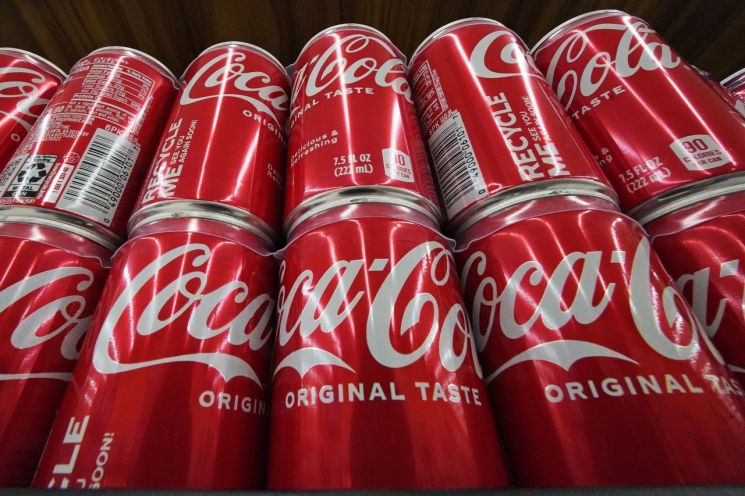
On the 8th (local time), BBC and other foreign media reported that in Canada, the boycott movement against American products is intensifying in response to the Trump administration's tariff policies. Not only consumers but also provincial governments and businesses are stopping the sale of American products or canceling contracts with American companies.
Doug Ford, the premier of Ontario, Canada's most populous province, ordered on the 4th that all stores in the province remove American alcoholic beverages. Quebec, Manitoba, and British Columbia also instructed stores and restaurants to stop selling American alcoholic beverages. The combined population of these four provinces is about 30 million, accounting for 75% of Canada's population.
Additionally, Premier Ford announced that he would withdraw a contract worth 100 million Canadian dollars (approximately 100.9 billion KRW) signed with SpaceX, operated by Elon Musk, the CEO of Tesla and known as President Trump's "first buddy." He also warned that a 25% export tax would be imposed on electricity sent to 1.5 million households in New York, Michigan, and Minnesota in the United States.
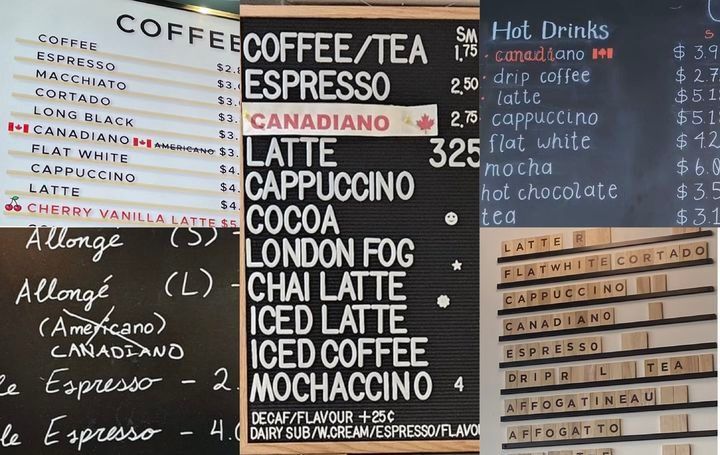
Some cafes in Canada are cleverly participating in the boycott by changing the name of "Americano" to "Canadiano." Prime Minister Trudeau also urged the purchase of domestic products, saying, "Choose Canadian."
The boycott movement against the U.S. is spreading not only in Mexico, which is also subject to a 25% tariff, but also in other Latin American countries and Europe. European countries are reportedly conducting boycott movements in protest not only against the Trump administration's tariff policies but also against the decision to halt support for Ukraine.
In Denmark, Sweden, and France, Facebook pages encouraging the boycott of American products attracted many people. These pages share lists of American products to boycott and suggest alternatives. In France, alternatives such as "Braze Cola" instead of Coca-Cola, "Burger Quick" instead of McDonald's, and "Columbus Cafe" instead of Starbucks have emerged.
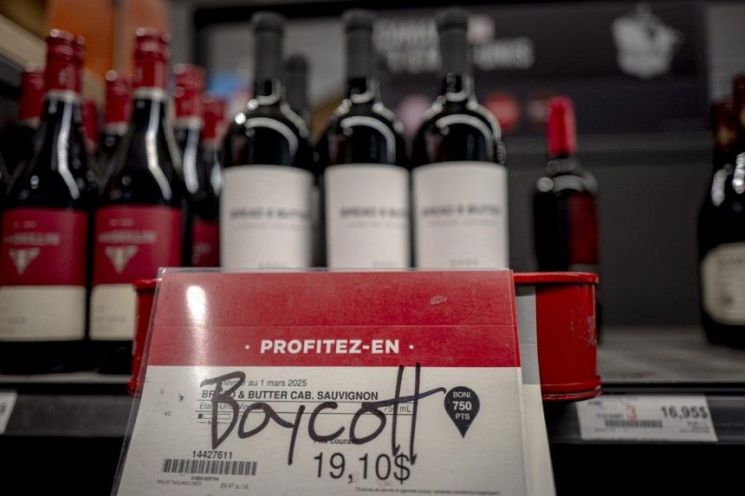 At an alcohol store in Montreal, Canada, a message urging a boycott is written above the price tags of American wines. Photo by AFP Yonhap News
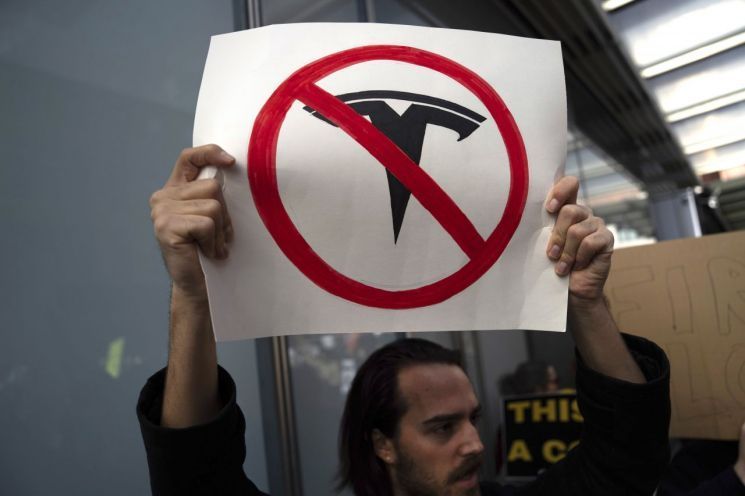
In Europe, anti-Tesla rallies and boycotts have taken place. The spread of resentment toward CEO Musk, who was appointed head of the U.S. Department of Government Efficiency (DOGE), is considered a main cause of the boycott movement. Especially in Germany, after Musk publicly supported the far-right party "Alternative for Germany (AfD)" in the German federal election held on the 23rd of last month, the Tesla boycott intensified, centered in Germany. According to data from the German Federal Motor Transport Authority on the 5th, the number of new Tesla electric vehicle registrations last month was 1,429, a 76% decrease compared to the same period last year. In contrast, the total number of electric vehicle registrations in Germany increased by 31% during the same period.
However, some voices express concerns about the side effects of the boycott movement. While the economic impact on American companies is uncertain, retailers who have already imported American products are suffering. The New York Post reported that cases of selling American products disguised as "Canadian" to clear accumulated American stock due to the boycott in Canadian supermarkets are rapidly increasing.
© The Asia Business Daily(www.asiae.co.kr). All rights reserved.
![Clutching a Stolen Dior Bag, Saying "I Hate Being Poor but Real"... The Grotesque Con of a "Human Knockoff" [Slate]](https://cwcontent.asiae.co.kr/asiaresize/183/2026021902243444107_1771435474.jpg)

















