No Link Found Between Total Sugary Beverage Consumption and Mortality Rates
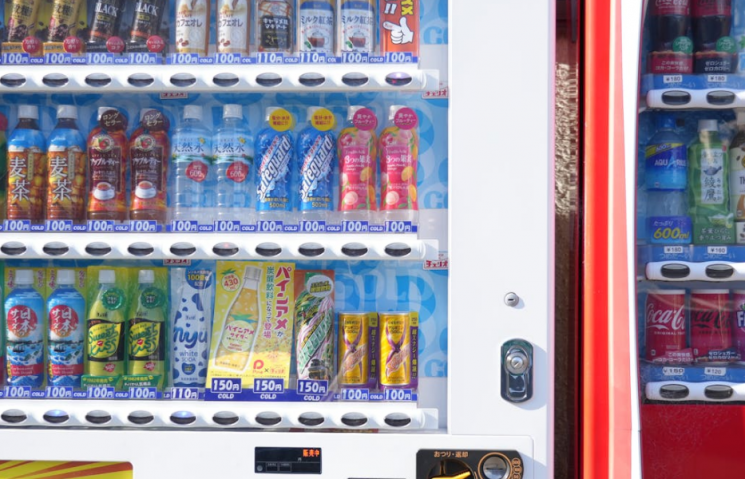
A recent big data study has revealed that consuming carbonated beverages such as cola and cider may increase the risk of death.
The research team from the Cancer Prevention Division at the National Cancer Center (Byungmi Kim, Yoonju Choi, Hyein Jung) conducted a follow-up study averaging 11 years by linking mortality cause statistics from Statistics Korea with data from 126,856 Korean adults aged 40 to 79 who participated in the urban-based cohort study (HEXA study) from 2004 to 2013. The results were published on the 22nd in the international journal Journal of the American Nutrition Association.
The team categorized sugary beverages into carbonated drinks (such as cola and cider) and traditional Korean beverages (such as yujacha, sikhye, and maesilcha) to examine their long-term effects on mortality due to cardiovascular diseases and cancer.
As a result, individuals who consumed carbonated beverages 1 to 3 times per week (200mL per serving) had an estimated 12.5% higher risk of death compared to those who did not consume carbonated beverages or consumed them less than once per week. Among those who consumed carbonated beverages 3 or more times per week, the risk of death was 19% higher under the same comparison conditions.
In particular, the association was more pronounced in men and smokers, with mortality risks increasing by 22.9% and 33.8%, respectively, due to carbonated beverage consumption.
However, no significant association was found between the total intake of sugary beverages?including both carbonated and traditional Korean drinks?and mortality rates. Additionally, when analyzing only sugar-containing traditional Korean beverages separately, no correlation affecting mortality was observed.
The research team emphasized the importance of noting that, in this large-scale Korean cohort study, consumption of sugar-containing carbonated beverages was linked to an increased risk of death from all causes.
Byungmi Kim, head of the Cancer Prevention Division at the National Cancer Center, stated, "Although the proportion of adults aged 40 and over in Korea who consume carbonated beverages more than once a week is not very high, a tendency for increased mortality risk was confirmed." She added, "Considering the recent trend of increased sugary beverage consumption among adolescents and young adults, there is a high possibility that this will lead to greater health problems in the future, so caution should be exercised to avoid excessive intake of sugary beverages."
© The Asia Business Daily(www.asiae.co.kr). All rights reserved.
![Clutching a Stolen Dior Bag, Saying "I Hate Being Poor but Real"... The Grotesque Con of a "Human Knockoff" [Slate]](https://cwcontent.asiae.co.kr/asiaresize/183/2026021902243444107_1771435474.jpg)















