"Damage to the Purpose of Urban Zoning Designation"
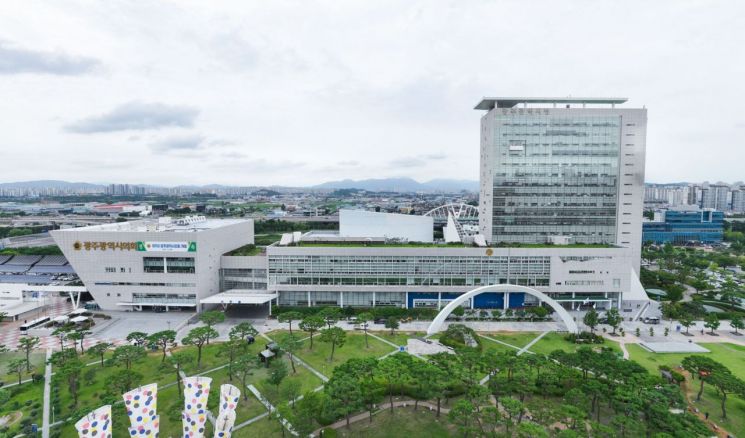
Gwangju City has requested a reconsideration of the "Partial Amendment Ordinance to the Urban Planning Ordinance," which was passed by the city council and aims to increase the residential floor area ratio in the central commercial area by about 35% from the current level.
In its request for reconsideration, the city pointed out that if the residentialization of the central commercial area?which serves commercial, business, and convenience functions for citizens?accelerates, there are concerns about unplanned development due to the mix of entertainment, lodging, and residential facilities, increased traffic congestion, deterioration in the quality of the educational environment, and a worsening of unsold apartment units.
According to Gwangju City on the 24th, a request for reconsideration was sent to the city council regarding the "Partial Amendment Ordinance to the Urban Planning Ordinance," which was passed at the 330th temporary session of the Gwangju City Council on the 12th and subsequently forwarded to the city.
In the request, the city explained that the designation and management of zoning areas is intended to prevent inconveniences to citizens caused by unplanned development resulting from the mixing of necessary urban facilities. The city further emphasized that there is a high possibility of poor residential environments arising, as residential facilities are inevitably mixed among already established entertainment and lodging facilities in the central commercial area.
The city also argued that the amendment goes against various policies such as the restriction of residential floor area ratio in commercial areas to 400% or less and the prohibition of upgrading residential zones?measures implemented in 2019 to prevent apartment-centered housing supply.
Kim Junyoung, Director of Urban Space, stated, "The request for reconsideration was made to the city council due to reasons such as damage to the purpose of zoning designation, deterioration in citizens' quality of life due to exposure to poor residential environments, increased inconvenience caused by insufficient infrastructure, inconsistency with Gwangju's housing policy, and lack of clarity in the ordinance content. The Urban Planning Ordinance concerns the minimum standards that are universally applied to enhance citizens' convenience and to manage the city systematically and strategically, so frequent amendments as short-term measures should be avoided. Any relaxation or tightening of the ordinance requires careful review and discussion involving the city, city council, civil society, experts, and related organizations from all sectors," he said.
© The Asia Business Daily(www.asiae.co.kr). All rights reserved.

















