KDCA: "Chinese Researchers Also Confirmed Only Through Experiments"
Our quarantine authorities have urged restraint in overinterpreting the announcement by Chinese researchers who reported discovering a novel bat coronavirus potentially transmissible to humans.
On the 24th, Kim Eun-jin, head of the Emerging Pathogen Analysis Division at the Korea Disease Control and Prevention Agency (KDCA), stated at the agency's regular briefing, "The recently published study was conducted using cells in a laboratory setting, and there is not yet sufficient circumstantial evidence to suggest it can infect humans," adding, "We should avoid overinterpretation."
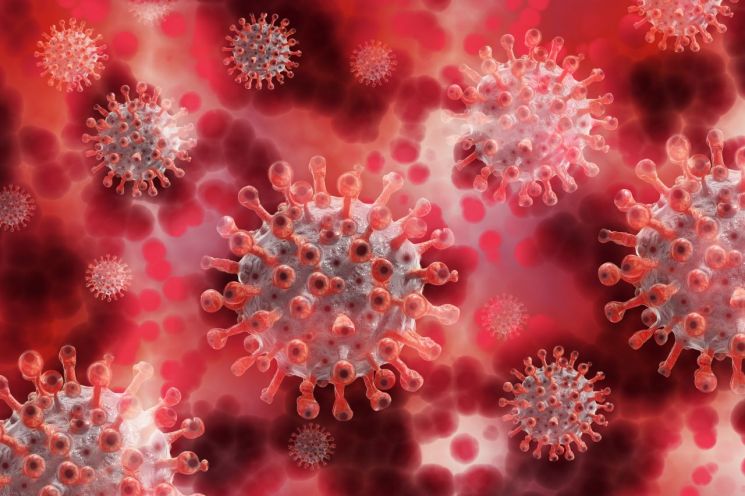
According to foreign media, researchers at the Wuhan Institute of Virology, Chinese Academy of Sciences, announced on the 18th in the prestigious life sciences journal Cell that they had discovered a new coronavirus (HKU5-CoV-2). The researchers noted that this virus can penetrate through the same human receptor (ACE2) as the virus causing COVID-19 (Sars-CoV-2), indicating a risk of transmission from animals to humans. However, they clarified that it does not penetrate human cells as easily as the COVID-19 virus. They also explained, "It was detected in the laboratory, not in humans," and emphasized, "The risk of emergence in human populations should not be exaggerated."
The KDCA's position is that since the Chinese researchers also stated that the novel virus has only been identified in the laboratory and warned against exaggerating the risk of human infection and transmission, interpreting this as the emergence of another pandemic is not advisable.
Director Kim said, "While the possibility of human infection cannot be completely ruled out and given the recent global increase in zoonotic virus infections, research must continue," but added, "The study shows that the binding affinity of this novel virus to human receptors is considerably weaker compared to Middle East Respiratory Syndrome (MERS) or COVID-19, so the likelihood of immediate human infection is low."
The KDCA further stated, "We continue to monitor by collecting data and tracking trends related to emerging infectious diseases, and we are also coordinating with key officials in major countries overseas to respond accordingly."
© The Asia Business Daily(www.asiae.co.kr). All rights reserved.
![Clutching a Stolen Dior Bag, Saying "I Hate Being Poor but Real"... The Grotesque Con of a "Human Knockoff" [Slate]](https://cwcontent.asiae.co.kr/asiaresize/183/2026021902243444107_1771435474.jpg)















