Endangered Jaguars in Suriname Targeted by Poachers
Sold to Chinese Market Through Sophisticated Criminal Networks
Endangered jaguars living in Suriname, South America, are being poached by a sophisticated criminal network and sold to the Chinese market. Notably, the majority of members of this criminal organization are identified as Chinese. On the 23rd (local time), the U.S. daily The Washington Post (WP) reported, citing data from the environmental organization Earth League International (ELI), that among 1,945 cases of wildlife poaching and trafficking in 18 Latin American countries from 2017 to 2022, 188 endangered jaguars were included.
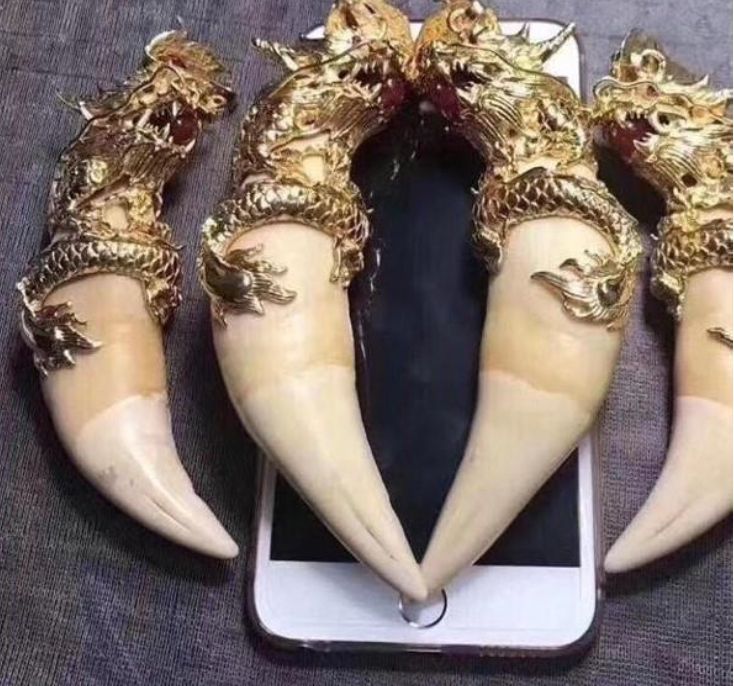
According to ELI data, jaguar trafficking mainly occurs in Suriname, a South American country covered by forests over 90% of its territory and part of the Amazon rainforest. The primary reason for poaching jaguars is the high demand in countries such as China, where they are known as a 'male potency enhancer.' Additionally, jaguar canines and skins are reportedly used as jewelry or interior decoration items. To catch poaching activities, an ELI official who met with Chinese individuals involved in the wildlife trafficking network at a restaurant in Suriname told the WSJ, "Brokers are trading 'American tigers' using cash or cryptocurrency."
According to a recent announcement by the U.S. Homeland Security Investigations (HSI), from the perspective of transnational criminal groups, wildlife trafficking ranks as the fourth largest source of illegal profits after drugs, human trafficking, and counterfeit goods distribution. The estimated annual revenue from wildlife trafficking, including illegal timber sales, is approximately $23 billion (about 33 trillion KRW). The WSJ also reported that these groups are linked to drug dealers who refer to cocaine as 'flour' and organizations that provide transportation for illegal immigrants to the U.S. Meanwhile, jaguars are the largest felids living on the American continent. The International Union for Conservation of Nature (IUCN) Red List classifies them as 'Near Threatened.'
© The Asia Business Daily(www.asiae.co.kr). All rights reserved.
![Clutching a Stolen Dior Bag, Saying "I Hate Being Poor but Real"... The Grotesque Con of a "Human Knockoff" [Slate]](https://cwcontent.asiae.co.kr/asiaresize/183/2026021902243444107_1771435474.jpg)















