Sold in Japan After Passing Through Incheon Airport from Hong Kong
Members of an organization who smuggled specially processed gold bars in the form of clay from Hong Kong to Japan were arrested in large numbers.
The Criminal Mobile Unit of the Northern Gyeonggi Provincial Police Agency announced on the 12th that 39 people were booked on charges of violating the Customs Act, and among them, the mastermind, a man in his 40s identified as Mr. A, was detained.
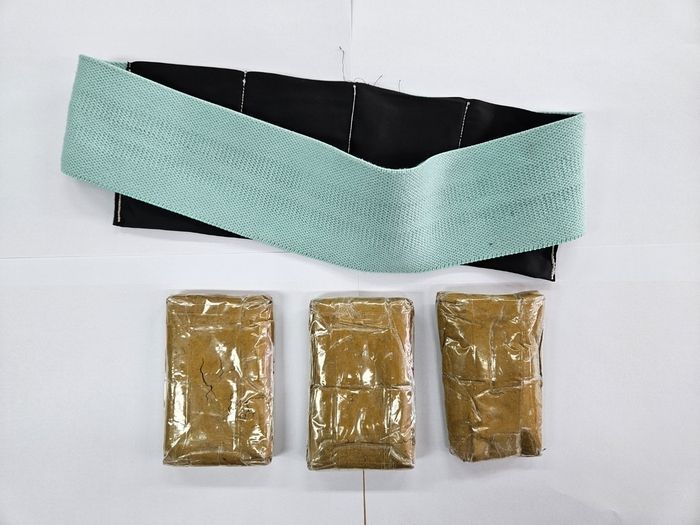
Mr. A and others are accused of smuggling a total of 78 gold bars worth approximately 7.4 billion KRW from December 2023 to September 2024, gaining about 700 million KRW in illegal profits. The total weight is about 85 kg, which the police believe increased during the chemical treatment process compared to the actual gold weight.
They targeted the fact that gold could be purchased cheaply at duty-free prices in Hong Kong. First, they bought gold bars in Hong Kong, then processed them locally using chemicals to make them soft and clay-like. By doing this, the gold no longer looked like bars and was easy to conceal on the body. It also avoided metal detectors well, making it easier to pass airport security checks.
The gold brought in was transferred through Incheon Airport and sold to Japanese gold dealers at a 10% higher price than the purchase price.
According to police officials, the Japanese dealers converted the purchased gold back into normal gold bars and re-exported them to Hong Kong, benefiting from tax refunds and other advantages. Further investigation will be conducted into the specific criminal methods of the Japanese dealers.
The suspects are believed to have routed the gold through Incheon Airport in South Korea because directly moving gold from Hong Kong to Japan would raise suspicion. When gold was brought from Hong Kong to Incheon Airport, other organization members waiting at the airport received the gold and took it to Japan.
A police official explained, "Although the gold did not enter the domestic market after leaving the airport, this itself constitutes smuggling under Article 269 of the Customs Act." This means that exporting foreign goods that arrived domestically without import customs clearance procedures is considered smuggling.
Mr. A and others reportedly involved high school classmates and their families by offering free trips to Japan and covering travel expenses to recruit them as couriers. A police official stated, "We will regularly notify related agencies of newly identified methods and cooperate with relevant organizations such as the Korea Customs Service to improve the system."
© The Asia Business Daily(www.asiae.co.kr). All rights reserved.
![Clutching a Stolen Dior Bag, Saying "I Hate Being Poor but Real"... The Grotesque Con of a "Human Knockoff" [Slate]](https://cwcontent.asiae.co.kr/asiaresize/183/2026021902243444107_1771435474.jpg)















