GS Retail Disbands Simply Cook Team
CJ CheilJedang Ends Cookit Business
Freshness Experiences Negative Sales Growth
There is a growing trend in the food industry to downsize the meal kit business sector. The meal kit market, which grew rapidly as consumers chose home-cooked meals over dining out during the COVID-19 pandemic, has slowed down, and with the added rise in raw material prices, food companies have started restructuring their businesses.
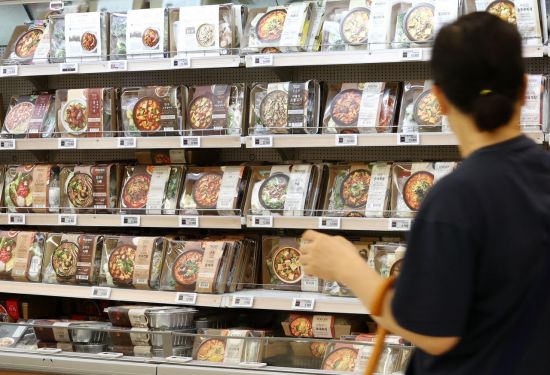
According to the industry on the 7th, GS Retail, which operates convenience store GS25 and supermarket GS The Fresh, is selling meal kit products in collaboration with celebrities through each division's MDs. The Simply Cook team, which was in charge of the meal kit brand, has been disbanded. Simply Cook changed its lineup from fresh food-centered meal kits to products emphasizing convenience, such as semi-prepared meals and microwaveable (Range Up) items.
CJ CheilJedang has ended its meal kit brand Cookit business. It has been five years since Cookit was launched in 2019. CJ CheilJedang stopped operating the Cookit platform in July last year and no longer sells products on its online mall CJ The Market. The meal kit product Truffle Flap Steak sold on CJ The Market, CJ CheilJedang's online mall, has also been discontinued.
hy is focusing more on subscription sales of fresh ingredients than on its meal kit brand It's On. Consumer trends are shifting from meal kits, which are priced higher, to fresh ingredients needed for cooking at home. In fact, sales of fresh ingredients such as eggs and tofu increased by 30-100% compared to the previous year, while meal kit sales dropped by 49% year-on-year.
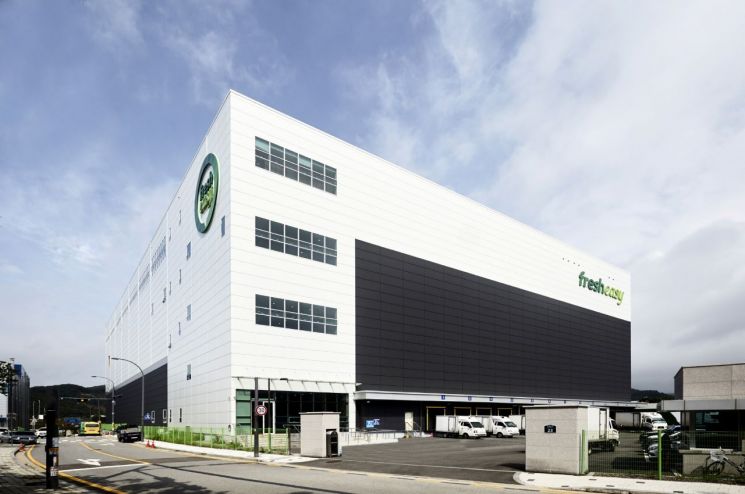
Freshness, a meal kit specialist company, saw its sales surpass 500 billion KRW in 2022 but experienced negative growth from 2023 (330.6 billion KRW). Freshness, which started as a startup in 2016, grew rapidly during the COVID-19 pandemic. In 2021, it expanded its scale through mergers and acquisitions, acquiring Line Logistics System (refrigerated transport), Dr. Kitchen (specialized convenience foods), Heodak (chicken breast processing), and Tasty Nine (meal kit manufacturer).
As a result, Freshness's sales surged from 1.5 billion KRW in 2017 to 529.8 billion KRW in 2022. To dominate the market, it aggressively lowered the selling price of meal kits, which have a high cost ratio, resulting in losses every year. Freshness recorded operating losses of 112.6 billion KRW in 2022 and 99.9 billion KRW in 2023 on a consolidated basis. The cost of sales ratio for Freshness in 2022 exceeded 80%. Compared to the typical food company's cost ratio of 50-60%, Freshness's cost ratio is excessively high. Adding selling and administrative expenses further increased the deficit. Freshness recorded a cumulative loss of 330.4 billion KRW over six years from 2018 to 2023.
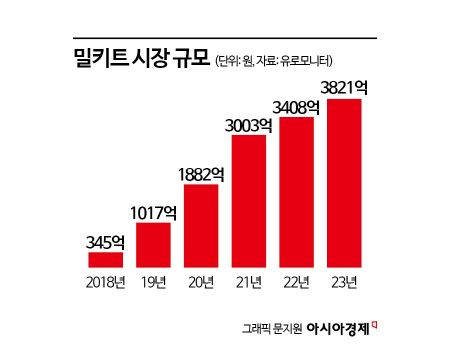
The meal kit market grew from 34.5 billion KRW in 2018 to 382.1 billion KRW in 2023. However, with the transition to endemic and increased dining-out demand, the market size has remained in the 300 billion KRW range over the past three years. The industry believes it maintained a similar level last year. High prices and inconvenient storage were cited as reasons consumers turned away from meal kits. The diversification and quality improvement of ready-to-eat convenience food categories by food companies also played a role. A food industry insider explained, "In an era of high inflation, people do not put meal kits costing well over 20,000 KRW into their shopping carts," adding, "Products that are cheaper and more convenient tend to sell better."
© The Asia Business Daily(www.asiae.co.kr). All rights reserved.
![Clutching a Stolen Dior Bag, Saying "I Hate Being Poor but Real"... The Grotesque Con of a "Human Knockoff" [Slate]](https://cwcontent.asiae.co.kr/asiaresize/183/2026021902243444107_1771435474.jpg)

















