"It feels more like a nursing home than a prison"
Elderly inmates in Japan's prisons surge as poverty and loneliness drive crime
Tochigi Prison guard: "Some come here because they're cold or hungry"
Over 80% of elderly female inmates incarcerated for theft
Prison staff now serve as caregivers for aging inmates
"It feels more like a nursing home than a prison full of criminals."
This is the remark of a prison guard in Japan, a super-aged society. As more elderly people commit crimes and voluntarily enter prisons to solve issues such as poverty, health, and loneliness, foreign media reports have revealed that the proportion of elderly inmates in Japanese prisons has increased about fourfold over the past decade.
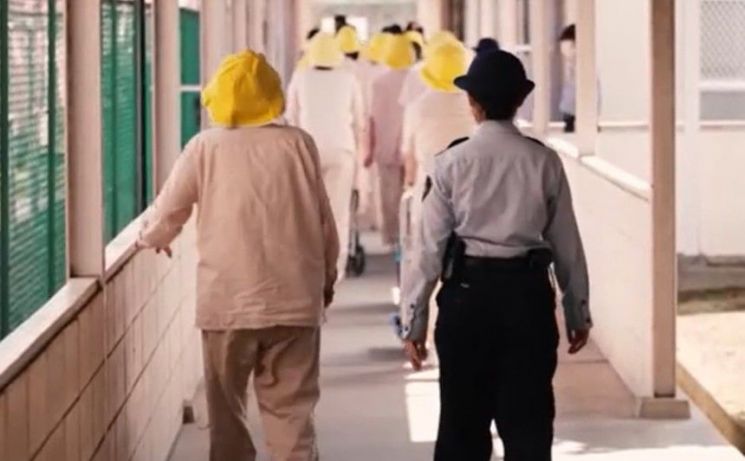
On the 18th (local time), CNN highlighted the aging inmate population at Tochigi Prison located in Tochigi Prefecture. Tochigi Prison is Japan's largest women's prison, with a capacity of 655 inmates. Prison guard Shiranaga Takayoshi said, "There are people who come here because they are cold or hungry," adding, "Some say that if they pay 20,000 to 30,000 yen (about 180,000 to 280,000 won) a month, they can live here forever."
Actually, Akiyo (female, 81), an inmate at this prison, told CNN last September, "There are good people in this prison," and said, "Perhaps this life is the most stable life for me." This is Akiyo's second time serving a sentence. She is currently serving time for stealing groceries and was previously incarcerated in her 60s for the same crime. She said, "If I had been economically stable and living comfortably, I would not have committed theft."
Theft is the most common crime committed by elderly inmates in Japan, especially female inmates. According to Japanese government statistics, over 80% of elderly female inmates were imprisoned for theft as of 2022.
CNN pointed out, "Some choose prison to survive." Inmates receive regular meals, free medical care, and nursing services inside the prison, and they can also enjoy the camaraderie that was lacking in society. It was also reported that "Women incarcerated at Tochigi Prison must work in the prison factory, but some inmates are satisfied with that life."
Prison guard Shiranaga said, "While inmates can receive free treatment during incarceration, after release, they have to pay for medical expenses themselves, so some elderly want to stay as long as possible." In fact, the number of inmates aged 65 and older in Japan has nearly quadrupled from 2003 to 2022.
As the number of elderly inmates increases, prison officers have even taken on the role of caregivers. At Tochigi Prison, it is reported that prison officers ask inmates who have nursing or caregiver qualifications for help. Guard Shiranaga said, "Now we have to change their diapers, help them bathe, and assist with meals," adding, "It is now closer to a nursing home than a prison full of convicted criminals."
© The Asia Business Daily(www.asiae.co.kr). All rights reserved.
![Clutching a Stolen Dior Bag, Saying "I Hate Being Poor but Real"... The Grotesque Con of a "Human Knockoff" [Slate]](https://cwcontent.asiae.co.kr/asiaresize/183/2026021902243444107_1771435474.jpg)















