Chinese Kimchi Accounts for 99.94% of Total Imports
Surge in Napa Cabbage Prices Suspected as Main Cause
Mandatory HACCP Certification Introduced After Hygiene Issues
Amid the surge in domestic napa cabbage prices, the import value of kimchi continues to rise, with the majority of imported kimchi found to be of Chinese origin.
On the 20th, Money Today reported, citing customs export-import trade statistics, that last year's kimchi import value reached $189.86 million (approximately 275.4 billion KRW), a 16% increase compared to the previous year ($163.57 million). This increase in kimchi import value is attributed to the impact of soaring napa cabbage prices.
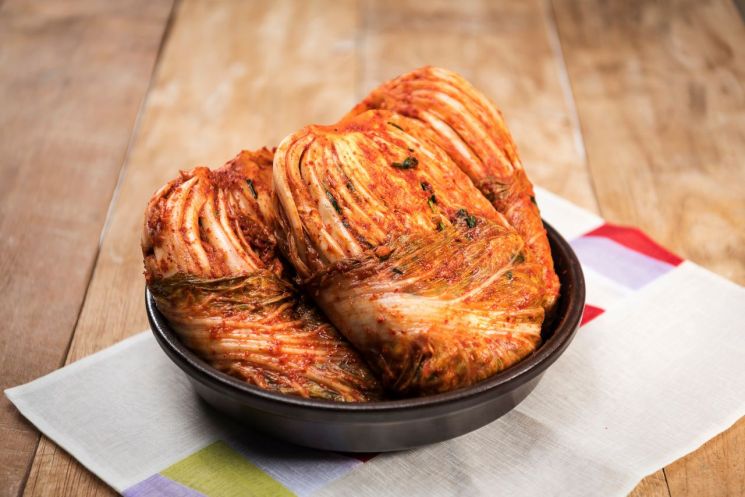
By month, the import value peaked in October, when the kimjang season begins, at $23.55 million (about 34 billion KRW). Kimchi import values surpassed $100 million for the first time in 2008 and remained between $100 million and $110 million until 2015. Since 2016, the import value has shown an upward trend, with last year's imports increasing by 81.8% compared to ten years ago. Notably, the import value of kimchi from China last year accounted for 99.94% of the total, amounting to $189.75 million (272.9 billion KRW).
Expanding the scope to include napa cabbage and other ingredients used for kimjang imported from China, the actual amount of Chinese-origin kimchi is expected to be even higher. In response to last year's surge in napa cabbage prices, the government temporarily applied a zero tariff rate (0%) on imported napa cabbage, which increased imports of Chinese napa cabbage.
In the past, imports of Chinese kimchi slightly decreased due to hygiene concerns. In 2020, footage showed rats roaming among piles of dried red peppers from China, and in 2021, a video circulated showing a kimchi factory worker salting napa cabbage while naked. These incidents caused domestic consumers to avoid Chinese kimchi due to hygiene fears. However, imports recovered over time due to the low prices.
In October last year, the government mandated the application of the Hazard Analysis and Critical Control Points (HACCP) food safety management certification standard to imported napa cabbage kimchi. Since October 1 of last year, imports have only been allowed if produced by HACCP-certified facilities. This strengthening of hygiene and quality control measures is believed to have influenced the increase in kimchi imports. An industry insider emphasized, "Efforts should be made to strengthen crackdowns on origin labeling violations and to balance the supply of ingredients for kimjang."
© The Asia Business Daily(www.asiae.co.kr). All rights reserved.
![Clutching a Stolen Dior Bag, Saying "I Hate Being Poor but Real"... The Grotesque Con of a "Human Knockoff" [Slate]](https://cwcontent.asiae.co.kr/asiaresize/183/2026021902243444107_1771435474.jpg)















