Chinese President Xi Jinping and U.S. President-elect Donald Trump emphasized 'dialogue and cooperation' between the two countries during a phone call ahead of the start of the 'Trump 2nd term.' Despite concerns that trade wars and geopolitical conflicts between the U.S. and China might intensify with Trump's return to the White House, both sides agreed to continue communication in a positive atmosphere for now, raising attention to whether a 'top-down' approach to problem-solving through summit diplomacy, as seen during Trump's first term, can be pursued.
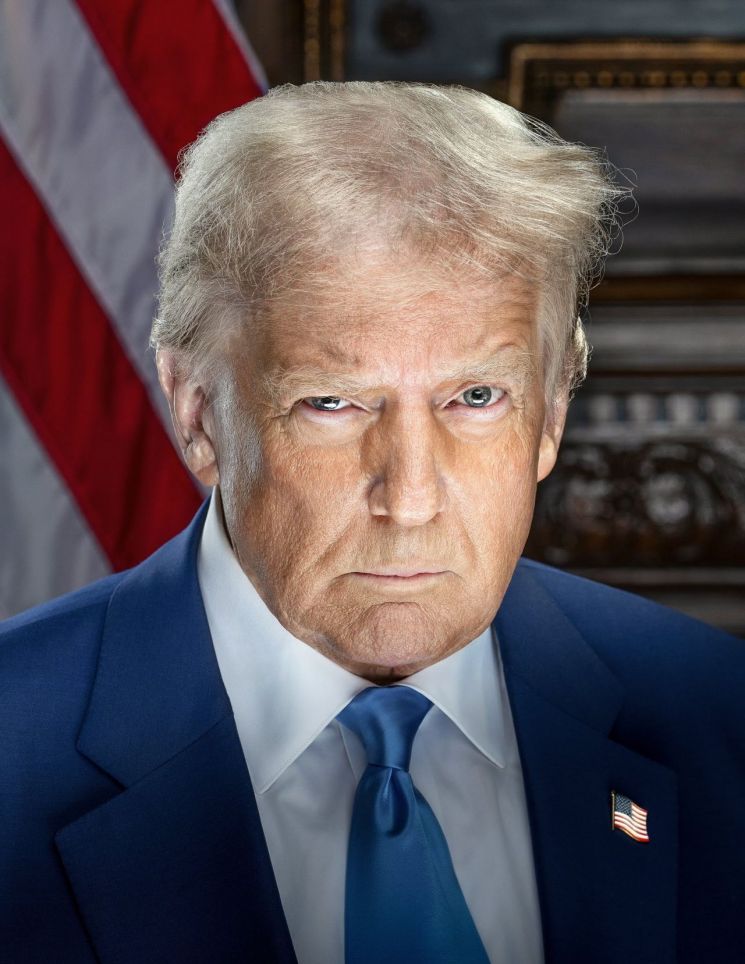
According to major foreign media such as Reuters and AP News, during the call on the 17th, President Xi and President-elect Trump placed more emphasis on dialogue, communication, and cooperation rather than differences.
President Xi said, "I hope that China-U.S. relations will have a good start in the new term of the U.S. president, and I am willing to promote greater progress from this new starting point," adding, "The essence of China-U.S. economic and trade relations is mutual benefit and win-win; confrontation and conflict should not be our choice."
President-elect Trump also reportedly said, "I greatly value the great relationship with President Xi and hope to continue dialogue and communication, and I look forward to meeting President Xi as soon as possible. The U.S. and China are currently the most important countries in the world and must maintain lasting friendship while jointly safeguarding world peace."
In a post on his social media, President-elect Trump also stated, "It was a good call for both China and the United States. President Xi and I will do everything possible to make the world more peaceful and secure."
According to Xinhua News Agency and others, the two leaders agreed to establish a strategic communication channel to maintain regular contact on major issues of mutual interest.
During the call, President-elect Trump emphasized trade balance and drug issues, while President Xi mentioned China's 'core interests' and the Taiwan issue, engaging in a 'power play.' However, with tensions between the U.S. and China escalating just three days before Trump's inauguration, the seemingly 'warm atmosphere' of this call has drawn attention as a potential turning point for easing conflicts.
Chinese state media also analyzed the call on social media, focusing on the leaders' willingness to communicate. Su Xiaohui, Deputy Director of the Institute of International Strategy at the China Institute of International Studies, told the social media account Yuyuantantian (玉淵譚天) of the China Central Television (CCTV) parent company, China Media Group, "From Trump's first term, it appears he emphasized the importance of direct communication between leaders."
Yuyuantantian cited Diao Daming, a China-U.S. relations expert and professor at Renmin University, saying that the 'strategic communication channel' mentioned in the report on the call between President Xi and President-elect Trump "refers to high-level, high-ranking dialogue and communication between the two countries," adding, "During the Biden administration, the strategic communication channel mainly involves communication between the director of the Central Foreign Affairs Office of the Chinese Communist Party and the U.S. president's national security advisor."
The social media account Niutanchin (牛彈琴) of Xinhua News Agency also described the call as "surprisingly proactive," stating, "Even for difficult issues, frank communication, especially active interaction between top leaders, is very important." Niutanchin noted President-elect Trump's remark that he would "work with President Xi to make the world more peaceful and secure," evaluating that "such a proactive stance is something previous U.S. presidents like Biden could never express."
Although the U.S. and Chinese leaders emphasized communication, there are also views that a 'grand bargain'?a comprehensive settlement on strategic issues such as trade and Taiwan?is difficult. Scott Kennedy, a China expert at the Center for Strategic and International Studies (CSIS), told Reuters, "There is a huge gap between what is imagined and actually achieving such results. The interests of the U.S. and China differ on many issues, and the views of key advisors on both sides are quite hawkish."
© The Asia Business Daily(www.asiae.co.kr). All rights reserved.
![Clutching a Stolen Dior Bag, Saying "I Hate Being Poor but Real"... The Grotesque Con of a "Human Knockoff" [Slate]](https://cwcontent.asiae.co.kr/asiaresize/183/2026021902243444107_1771435474.jpg)















