U.S. Sanctions on "Shadow Fleet" Oil Tankers
Russian Oil Export Lifeline... New Variable in Global Oil Prices
Oil Spills Across Europe, Including the Black Sea and Baltic Sea
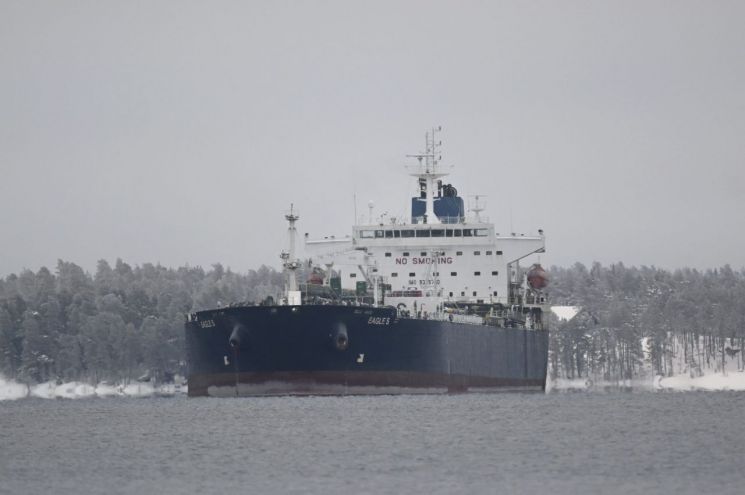 On the 13th (local time), the Eagle S, a Russian shadow fleet tanker, is docked at the Kilpilathi Port in Finland. Photo by AFP and Yonhap News.
The U.S. government has launched large-scale sanctions against the so-called "Shadow Fleet," which has been leading Russia's oil exports. These sanctions are expected to disrupt the supply of Russian oil, increasing volatility in international oil prices. The Shadow Fleet mainly consists of oil tankers that are over 50 years old, and these vessels have caused marine pollution such as oil spills due to various malfunctions, raising significant security and environmental concerns among European countries.
U.S. Includes Russian Shadow Fleet in Sanctions... New Variable in International Oil Prices
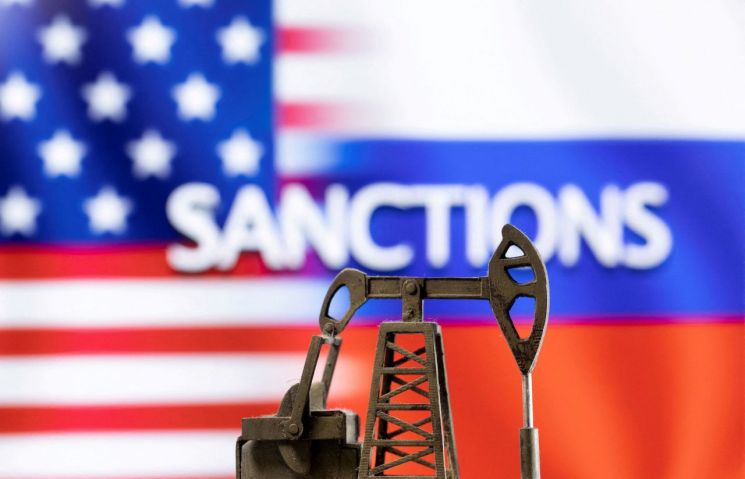
On the 10th (local time), the U.S. government designated 183 Russian Shadow Fleet oil tankers as targets of sanctions against Russia and announced additional sanctions on Russian ship insurance companies and energy firms, causing increased volatility in international oil prices. Major international oil prices such as West Texas Intermediate (WTI), North Sea Brent, and Middle East Dubai crude have all fluctuated around the early $80 range, the highest since October last year.
Due to these sanctions, the entry of Shadow Fleet vessels exporting to China, India, and Africa has been successively canceled, making short-term disruptions in oil supply inevitable. According to Bloomberg News, Shadow Fleet vessels carrying 2 million barrels of Russian crude oil were blocked from entering India, their originally intended export destination, due to U.S. sanctions.
As the U.S. government continues to identify and sanction Shadow Fleet vessels, sanctions on the Shadow Fleet are expected to become a major factor causing volatility in international oil prices. Citigroup analyzed that "up to about 30% of Russia's Shadow Fleet oil tankers could be affected by sanctions, threatening oil supply by up to 800,000 barrels per day."
Russian Oil Exports Linked to China and India... Lifeline for War Costs
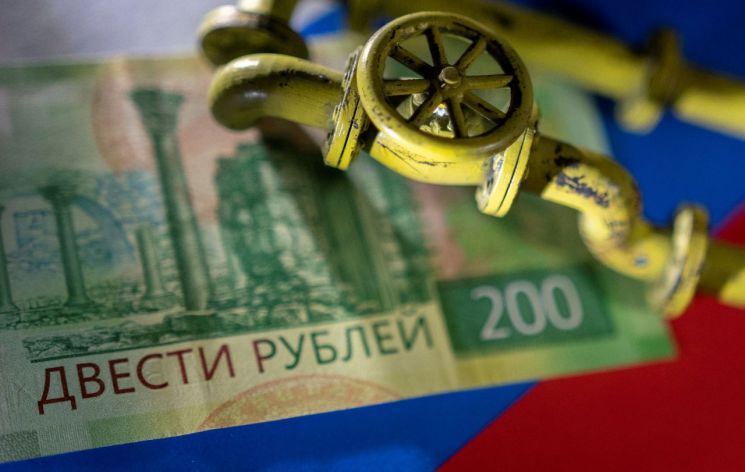
The Shadow Fleet has been the main bypass method for Russia to export oil since the outbreak of the Ukraine war in February 2022, evading sanctions imposed by the U.S. and Western countries. To avoid being listed as sanction targets, the fleet is composed of vessels registered under ghost companies, making it impossible to identify their exact nationality and ownership, hence the name Shadow Fleet. These oil tankers operate with their Automatic Identification System (AIS) turned off and mainly export Russian oil to China and India.
According to BRS, a French ship brokerage firm, the number of Shadow Fleet oil tankers transporting Russian crude oil exceeded 700 by last year, a significant increase from about 400 vessels at the start of the 2022 sanctions. After the outbreak of the Ukraine war, the Russian government began purchasing old oil tankers worldwide to operate the Shadow Fleet, acquiring 125 oil tankers and carriers from Greece alone in 2022.
Russia has been financing the Ukraine war by continuing energy exports such as oil and gas through the Shadow Fleet. More than half of Russia's fiscal revenue comes from oil and gas export earnings of state-owned energy companies, and it is known that over 90% of the oil, which was banned from export to the West due to sanctions, has been exported to China and India.
Over 50-Year-Old Aging Oil Tankers... Environmental Threats from Malfunctions and Oil Spills
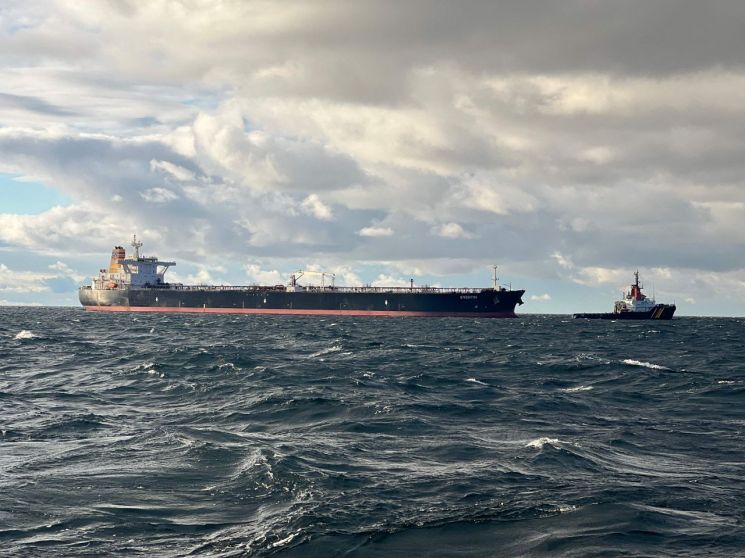 On the 10th (local time), the Russian shadow fleet tanker Iventin, drifting in the Baltic Sea due to engine failure, is being towed. Photo by AFP and Yonhap News.
The Shadow Fleet is not only a security threat due to the circumvention of sanctions but is also considered a major cause of marine pollution due to frequent malfunctions and oil spill accidents. Some of the oil tankers are aging models over 50 years old, making the risk of maritime accidents extremely high.
On the 11th, Germany's Central Command for Maritime Emergencies (CCME) deployed three tugboats to tow the Iventin, a Shadow Fleet oil tanker departing from Russia. The tanker had set sail to transport oil from Russia to Egypt but drifted after its engine stopped near R?gen Island in the Baltic Sea, Germany.
On the 18th of last month, two Russian Shadow Fleet oil tankers passing near the Crimean Peninsula in the Black Sea were wrecked by waves, causing about 10,000 tons of Russian crude oil to spill into the sea. Immediately after the accident, Ukrainian President Volodymyr Zelensky harshly criticized, stating, "These vessels are nearly 50 years old and should never operate in the Black Sea area where winter waves are high," adding, "The Black Sea is facing another environmental disaster caused by Russia."
© The Asia Business Daily(www.asiae.co.kr). All rights reserved.
![Clutching a Stolen Dior Bag, Saying "I Hate Being Poor but Real"... The Grotesque Con of a "Human Knockoff" [Slate]](https://cwcontent.asiae.co.kr/asiaresize/183/2026021902243444107_1771435474.jpg)

















