Guidelines for Managing Crops in Preparation for Cold Waves, Heavy Snow, and Fires
Jinju City in Gyeongnam has urged farmers to take thorough precautions as a cold wave advisory has been issued due to a rapid drop in temperature, raising concerns about damage to crops and agricultural facilities.
According to the Korea Meteorological Administration forecast, temperatures are expected to drop to around -10℃ mainly in the inland areas of Gyeongnam by this weekend.
In response, the city is operating its own on-site technical support team for winter disaster and fire prevention, maintaining a real-time response posture through efforts such as ▲guidance on heavy snow and cold wave preparedness ▲winter fire prevention management guidelines ▲inspection to prevent damage to facilities such as vinyl greenhouses ▲and maintaining an emergency contact system.
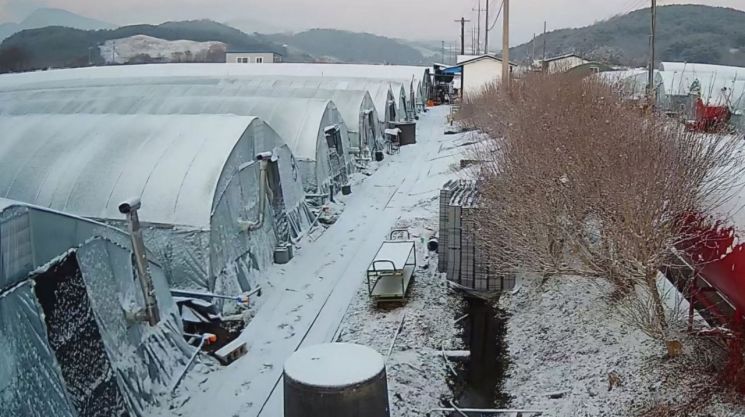
To reduce damage caused by the cold wave, for crops grown inside facilities, it is important to close external windows tightly and check whether heating facilities such as heaters are functioning properly to maintain the appropriate nighttime growth temperature (10?15℃). Additionally, when heavy snow is forecasted, thermal covers and shading nets in the facility greenhouses should be removed or vinyl coverings applied, and for aging or potentially collapsing structures, support beams should be reinforced intermittently throughout the greenhouse.
Furthermore, it is essential to prepare emergency supplies (such as candles and alcohol lamps) in case of heater failure. Irrigation facilities should also be inspected in advance, and watering after the cold wave when temperatures rise helps reduce damage caused by frost and dryness.
For fruit trees, it is important to maintain a strong tree body by accumulating sufficient stored nutrients before winter through proper pruning management, and burying or covering the root area with soil or protective materials also helps. Additionally, to prevent collapse caused by snow accumulation, snow should be removed from the upper parts of fruit tree anti-bird nets.
In particular, cold damage in fruit trees occurs in the order of flower buds, leaf buds, and one-year-old branches, causing bark cracking and making it easier for pathogens to invade, which increases the likelihood of pest and disease outbreaks. If cold damage occurs, it is recommended to delay pruning depending on the extent of damage after diagnosing the flower buds, avoid heavy pruning, and reduce nitrogen fertilizer by 30?50% for trees where flower buds have died and no fruit will form, among other appropriate fertilization measures.
A city official stated, “Jinju usually experiences relatively mild winter weather, but the sudden cold wave increases the possibility of cold damage to crops,” and urged, “To prevent damage caused by sudden cold waves, farmers should pay close attention to weather forecasts and thoroughly manage crops and facilities.”
© The Asia Business Daily(www.asiae.co.kr). All rights reserved.
![Clutching a Stolen Dior Bag, Saying "I Hate Being Poor but Real"... The Grotesque Con of a "Human Knockoff" [Slate]](https://cwcontent.asiae.co.kr/asiaresize/183/2026021902243444107_1771435474.jpg)















