December PPI Down 2.3% YoY... Declining for 27 Consecutive Months
China's consumer price index (CPI), which reflects the perceived economic conditions, rose by 0.1% year-on-year in December last year, according to the National Bureau of Statistics of China announced on the 9th.
This marks a slight slowdown from the 0.2% increase in November last year and matches the expert forecasts of a 0.1% rise surveyed by The Wall Street Journal (WSJ) and Reuters.
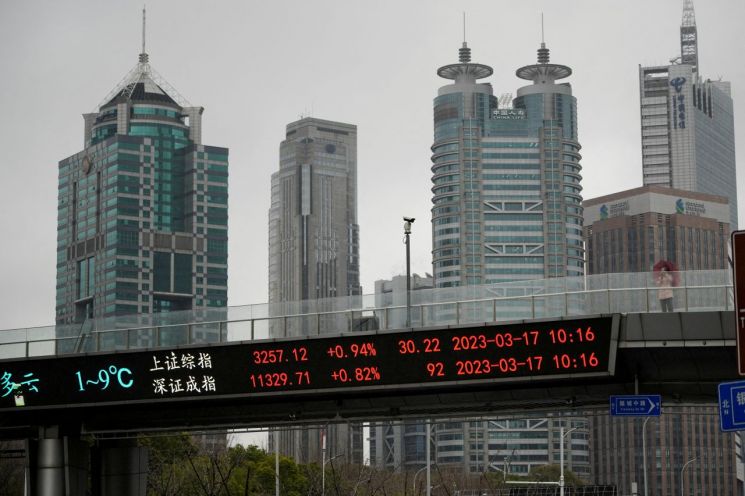
The monthly CPI growth rate has been slowing down, recording 0.6% in August last year, followed by 0.4% in September, 0.3% in October, and 0.2% in November.
However, the core CPI, which excludes the highly volatile food and energy prices, increased by 0.4% year-on-year, marking the highest level since July last year.
By category, prices for food, tobacco, and alcohol remained the same as the previous year. Fresh vegetable prices rose by 0.5%, while fresh fruit prices fell by 3%. Pork prices increased by 12.5%, whereas beef and lamb prices dropped by 13.8% and 6.1%, respectively.
Non-food prices rose by 0.2%, consumer goods prices fell by 0.2%, and service prices increased by 0.5%.
The annual CPI for 2024 rose by 0.2% compared to the previous year. This level is the same as the previous year, indicating that deflation (a decline in prices amid economic recession) continues. Bloomberg reported that economists consider this figure far below the 1.1% increase predicted earlier last year.
US CNBC stated, "The current near-zero consumer price inflation rate suggests that China is still struggling with weak domestic demand, increasing the risk of deflation." It also pointed out that despite China introducing stimulus measures in September last year, such as interest rate cuts, support for stock and real estate markets, and increased bank lending, consumption has not recovered.
In the same month, the producer price index (PPI) fell by 2.3% year-on-year, continuing a 27-month streak of decline. However, this decline is less severe compared to the 2.5% drop in November last year and the Reuters forecast of a 2.4% decrease.
The annual PPI for last year fell by 2.2% compared to the previous year.
The day before, Chinese authorities significantly expanded support for trade-in sales of old consumer goods amid prolonged domestic demand stagnation. They raised subsidy standards for electric buses and battery replacements and expanded subsidies for purchasing smart devices such as smartphones and tablet PCs, as well as for replacing old home appliances like refrigerators and washing machines.
Bloomberg noted that the ongoing deflationary pressure in China sharply contrasts with other major economies such as the US and Europe. It also analyzed that Chinese authorities are concerned that entrenched price declines will suppress household spending for longer, hurt corporate revenues, restrain investment, and lead to further wage cuts and layoffs.
© The Asia Business Daily(www.asiae.co.kr). All rights reserved.
![Clutching a Stolen Dior Bag, Saying "I Hate Being Poor but Real"... The Grotesque Con of a "Human Knockoff" [Slate]](https://cwcontent.asiae.co.kr/asiaresize/183/2026021902243444107_1771435474.jpg)
















