Ministry of Culture, Sports and Tourism Selects 6 Balanced Regions Nationwide
Up to 2 Billion KRW Annual Support per City
Promoting a New Renaissance of Local Culture
A total of 13 regions, including Sokcho-si in Gangwon, Suyeong-gu in Busan, and Suseong-gu in Daegu, have been finally selected as ‘Korea Cultural Cities’ leading regional cultural balanced development.
On the 26th, Yoon In-chon, Minister of Culture, Sports and Tourism, met with the heads of local governments selected as cultural cities at the National Museum of Korea in Yongsan-gu, Seoul, to discuss successful project implementation plans.
The Ministry of Culture, Sports and Tourism supported each region with 200 million won for the 2024 preliminary project and supplemented the development plans through two rounds of consulting and training for the persons in charge. After on-site and presentation evaluations, all 13 regions were finally designated.
The selected regions will implement their development plans over the next three years with a budget of 20 billion won per region, totaling 2.6 trillion won (1.3 trillion won from the central government and 1.3 trillion won from local governments).
The Ministry manages project performance through annual evaluations, aiming to expand cultural enjoyment and participation to 20 million people, utilize and create 20,000 neighborhood cultural spaces, achieve an economic effect of about 1 trillion won, and create 3,000 jobs.
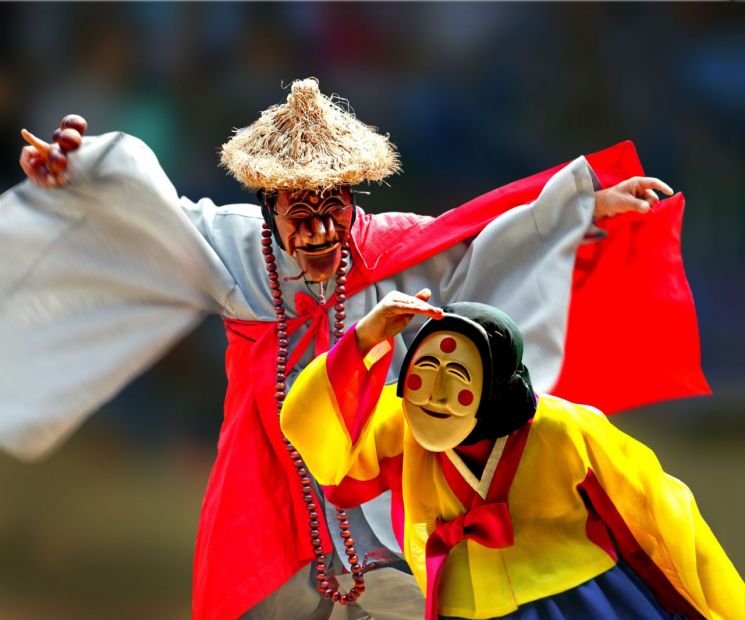
This year’s selected cultural cities are ▲Sokcho-si in Gangwon and Suyeong-gu in Busan (cities aiming to become world-class tourist cities based on their pristine environments) ▲Suseong-gu in Daegu, Anseong-si in Gyeonggi, and Tongyeong-si in Gyeongnam (cities capable of sustainable growth based on arts) ▲Suncheon-si in Jeonnam, Jeonju-si in Jeonbuk, and Jinju-si in Gyeongnam (cities aiming to build industrial ecosystems through support of cultural industries) ▲Andong-si in Gyeongbuk, Jindo-gun in Jeonnam, and Chungju-si in Chungbuk (cities striving for advancement based on deep-rooted traditional culture) ▲Sejong-si and Hongseong-gun in Chungnam (cities aiming to build distinctive images based on regional cultural resources), totaling 13 locations.
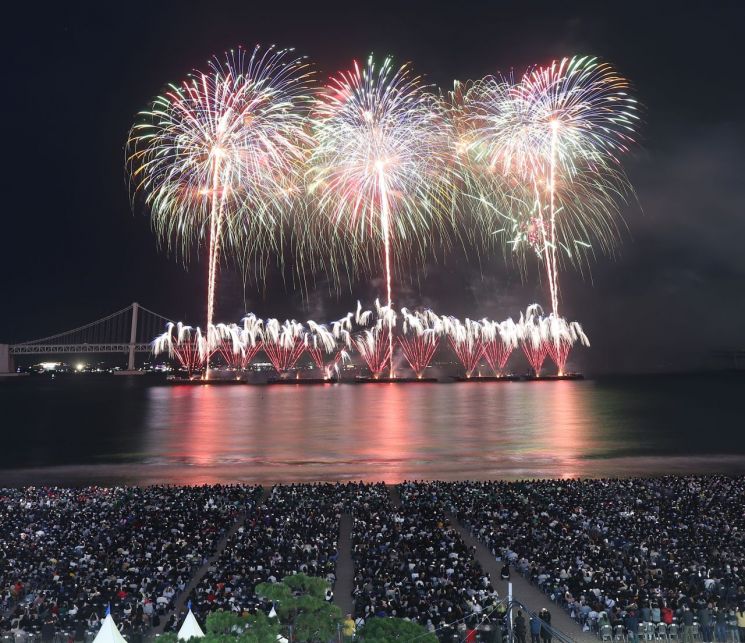 On the afternoon of the 9th, at Gwangalli Beach in Suyeong-gu, Busan, the 19th Busan Fireworks Festival was held, where spectacular fireworks decorated the autumn sea against the backdrop of Gwangandaegyo Bridge. Photo by Yonhap News
Leap to World-Class Tourist Cities: Sokcho and Suyeong-gu
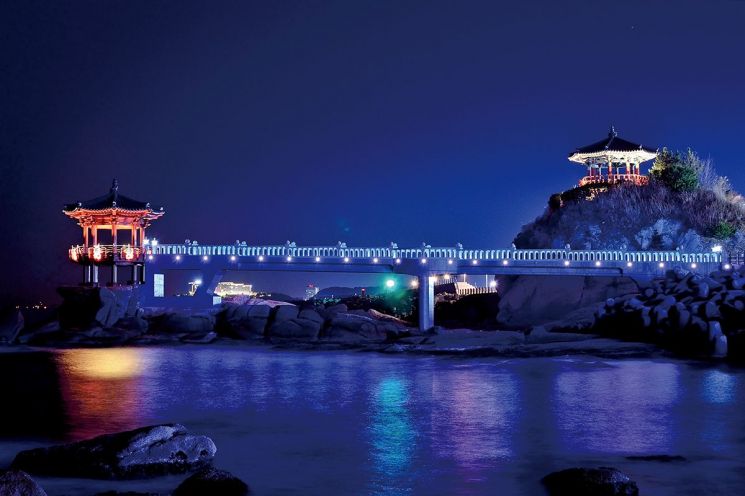
Sokcho-si dreams of becoming "a cultural city of Sokcho, where the city’s charm is woven through taste," combining displaced persons’ food culture against the backdrop of the East Sea and Ulsan Rock. Suyeong-gu in Busan is planning seasonal festivals and events to transform into a ‘beach cultural convention city’ connecting beaches and alleys.
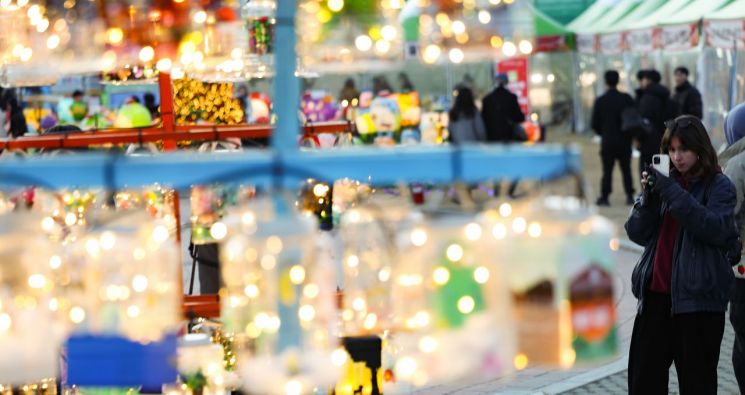 On the afternoon of the 24th, the 'Suseong Light Art Festival' is taking place around Suseongmot in Suseong-gu, Daegu. Photo by Yonhap News
Sustainable Growth through Arts: Suseong-gu, Anseong, Tongyeong
Daegu’s Suseong-gu aims to be "a city of art awakened by light," becoming a hub of visual arts centered on media art and Deulan Art Village. Anseong-si is rising as "a city of Anseong-mat-chum craft culture" by modernly reinterpreting crafts and traditional markets. Tongyeong plans to develop into "Creative Tongyeong" by utilizing its past 12 workshops and UNESCO Creative City of Music resources.
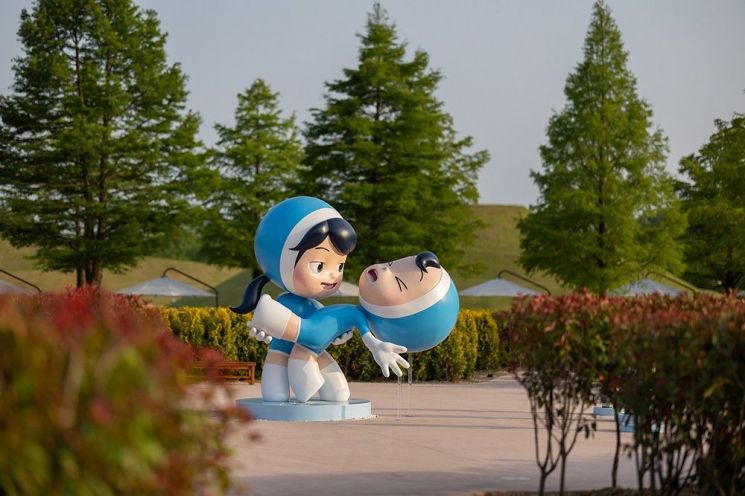 Character sculptures from 'Yumi's Cells The Movie' installed in the Maze Garden within Suncheonman National Garden
 [Photo by Suncheon City]
Traditional Culture and Industrial Ecosystem: Suncheon, Jeonju, Jinju
Suncheon-si aims to be "a mecca of creation blossoming through content" by attracting webtoon and animation companies. Jeonju-si dreams of being "the most Korean future cultural city" by establishing a cultural industry base combining Hanok Village and new technologies. Jinju-si seeks growth as a "city of culture filled with light" by utilizing peddlers and the Lantern Festival.
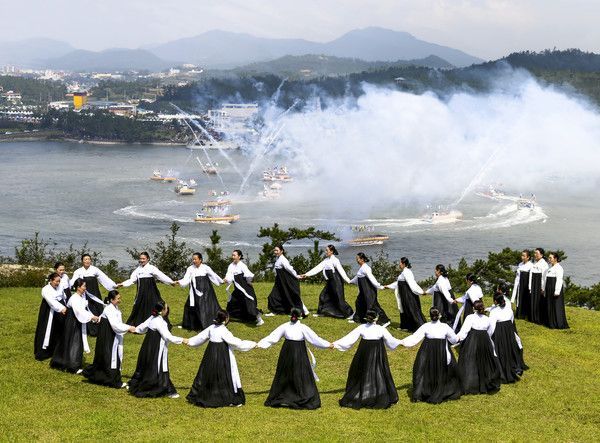
Modernization of Tradition: Andong, Jindo, Chungju
Andong-si is moving toward becoming a "traditional cultural city enjoyable through play" by reinterpreting Confucian culture for all ages. Jindo is establishing itself as "an island of folk culture" by promoting folk cultures such as Ganggangsullae and Ssikkimgut rituals. Chungju is growing as a "hub city for gugak content" based on traditional Korean music and is promoting large-scale cultural events.
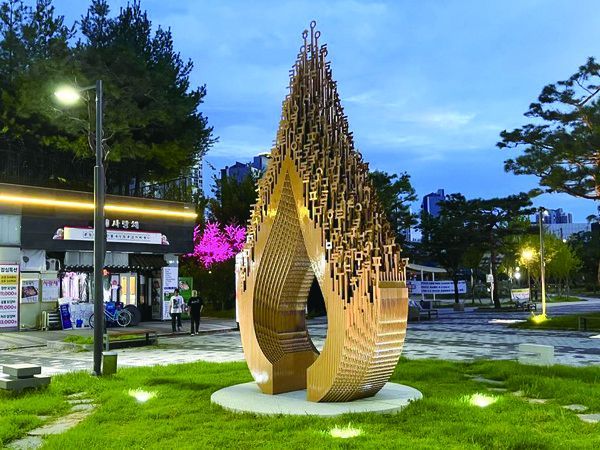
Emphasizing Regional Characteristics: Sejong, Hongseong
Sejong-si aims to be "a Hangul cultural city connecting the world" by hosting the International Hangul Biennale. Hongseong-gun revitalizes itself as a "city connected through the taste of culture" by leveraging specialties like saejogae (razor clams), Gwangcheon gim (seaweed), and traditional organic farming.
Minister Yoon emphasized, "The unique culture of a region is a source of pride for residents and an attractive reason for outsiders to visit," adding, "The Ministry of Culture, Sports and Tourism will support the cultural city plans until the end."
© The Asia Business Daily(www.asiae.co.kr). All rights reserved.
![Clutching a Stolen Dior Bag, Saying "I Hate Being Poor but Real"... The Grotesque Con of a "Human Knockoff" [Slate]](https://cwcontent.asiae.co.kr/asiaresize/183/2026021902243444107_1771435474.jpg)

















