Samsung Seoul, Ulsan University, and Inha University Hospitals Also Join In
All 47 tertiary general hospitals nationwide have joined the structural transformation support project to shift their focus to severe, emergency, and rare diseases.
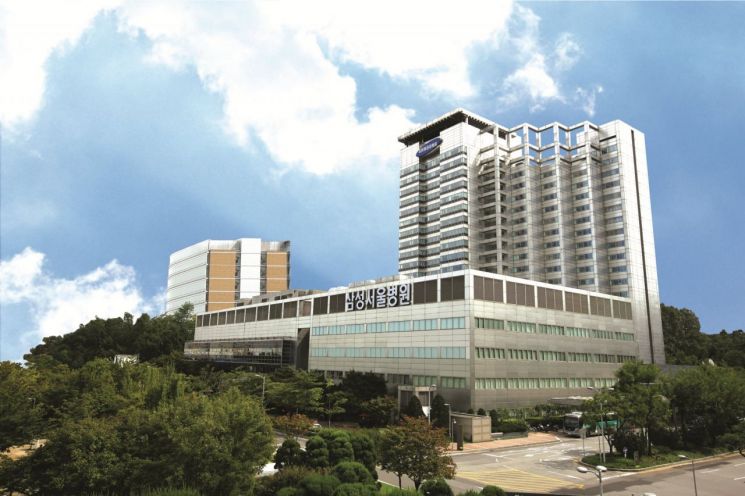
On the 24th, the Ministry of Health and Welfare announced that Samsung Seoul Hospital, Ulsan University Hospital, and Inha University Hospital were newly selected as participating institutions in the support project.
Accordingly, all 47 tertiary general hospitals have embarked on the structural transformation over six phases, reducing a total of 3,625 general beds excluding intensive care units and emergency beds. This corresponds to 8.6% of all general beds in tertiary general hospitals.
Among the newly added hospitals, Samsung Seoul Hospital plans to reduce beds from 1,692 to 1,459, cutting 223 beds; Ulsan University Hospital will reduce from 832 to 792 beds, cutting 40 beds; and Inha University Hospital will reduce from 775 to 709 beds, cutting 66 beds.
The structural transformation project for tertiary general hospitals, conducted as part of the government's medical reform, is a project to reorganize the structure so that tertiary general hospitals, which are at the top of the medical delivery system, can focus on treating severe, emergency, and rare diseases in accordance with their original role. Participating hospitals aim to increase the proportion of severe care to 70%, reduce general beds, and in return, receive higher fees for inpatient charges in intensive care units or rooms with four or fewer beds.
At the same time, the government plans to normalize the medical delivery system by strengthening the cooperation system between tertiary general hospitals and secondary hospitals or other cooperative medical institutions, while providing residents with intensive training. Additionally, to ensure stable structural transformation, the government is working on introducing new classification criteria that reflect patients’ conditions such as age and underlying diseases, considering field opinions that the current severe patient classification system based solely on simple diagnoses should be revised.
Jung Kyung-sil, head of the Medical Reform Promotion Team, said, "We expect a desirable change where tertiary general hospitals focus on balanced development of clinical care, training, and research as 'intensive care-centered hospitals.' We also plan to prepare measures to create a mutually beneficial medical ecosystem where secondary and primary medical institutions focus on their original functions and cooperate with each other."
© The Asia Business Daily(www.asiae.co.kr). All rights reserved.
![Clutching a Stolen Dior Bag, Saying "I Hate Being Poor but Real"... The Grotesque Con of a "Human Knockoff" [Slate]](https://cwcontent.asiae.co.kr/asiaresize/183/2026021902243444107_1771435474.jpg)















