Famous Companies Like TGIF and Party City Also Helpless
Over 7,100 US Stores Closed by November
This year, led by big tech companies, the U.S. stock market enjoyed a boom, but the retail sector experienced a chill as many well-known companies filed for bankruptcy protection.
On the 22nd (local time), CNN cited data from reemployment consulting firm Challenger Gray & Christmas (CGC), reporting that at least 19 companies went bankrupt this year, resulting in a loss of 14,000 jobs.
The retail stores were particularly hard hit. According to research firm CoStar, the number of store closures in the U.S. from January to November this year reached about 7,100, a 69% increase compared to the same period last year. During the pandemic period of 2021-2022, the retail sector was buoyed by government cost-of-living support and demand for household and electronic product replacements, but since then, inflation has caused consumers to tighten their wallets, leading to difficulties.
For example, Party City, the largest party supplies retailer in the U.S. with a 40-year history, filed for bankruptcy protection under Chapter 11 (a U.S. legal provision for corporate reorganization) on the 21st. This was less than two years after it filed for bankruptcy protection in January last year due to failure to repay $1.7 billion in debt. Party City, which had struggled against e-commerce companies like Amazon, was hit hard by reduced consumer spending due to inflation. Party City has notified employees that about 700 stores are expected to close by the end of February next year.
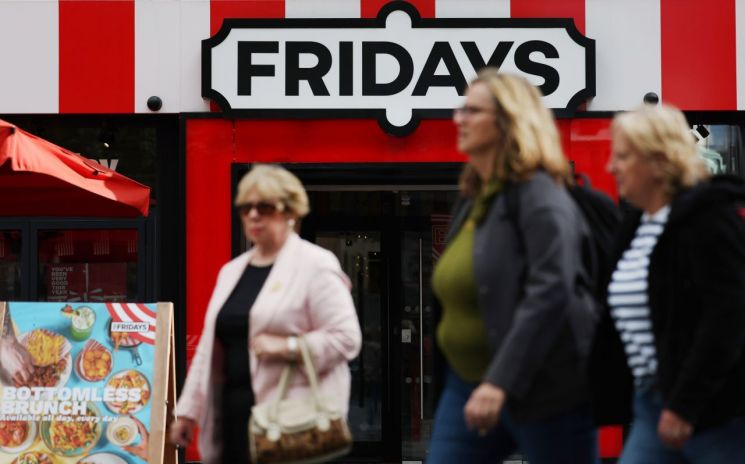
The U.S. branch of TGI Fridays (TGIF), once synonymous with family restaurants, also filed for bankruptcy protection last month due to financial difficulties. Observers note that traditional family restaurants are being overlooked as competitors like Chipotle, which emphasize healthy food, gain market attention, and as high prices and the development of delivery services have expanded the culture of eating at home. The seafood restaurant chain Red Lobster, popular for its lobster and shrimp menu, has also entered court supervision.
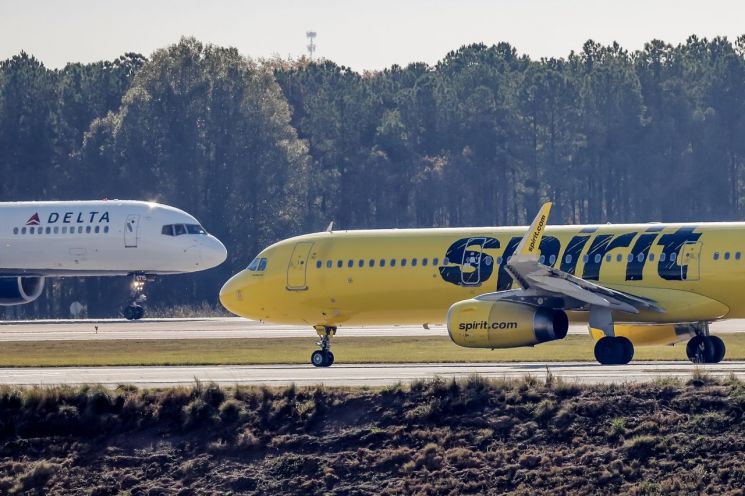
The management chill was not limited to the consumer goods sector. Spirit Airlines, a low-cost U.S. airline, also entered restructuring procedures last month due to deteriorating financial conditions. This is the first bankruptcy protection filing by a U.S. airline since American Airlines in 2011. Previously, JetBlue Airlines signed a contract in July 2022 to acquire Spirit for $3.8 billion, but the acquisition was blocked by the court and competition authorities, causing the deal to fall through. Spirit then attempted to improve its financial structure independently but failed to recover.
In addition, well-known companies such as plastic container maker Tupperware, discount retailer Big Lots, and liquor company Stoli also appeared on the list of bankruptcy protection filings this year.
CNN evaluated, "This year has been a brutal one for many well-known companies and their revenues," adding, "Due to inflation, consumers reduced discretionary spending, and some brands fell victim to changes in consumer trends or cyberattacks." However, it explained, "Filing for bankruptcy protection does not necessarily mean a company will go bankrupt. Companies tend to use Chapter 11 procedures to reorganize some businesses, resolve increasing debts, and close branches to reduce costs."
© The Asia Business Daily(www.asiae.co.kr). All rights reserved.
![Clutching a Stolen Dior Bag, Saying "I Hate Being Poor but Real"... The Grotesque Con of a "Human Knockoff" [Slate]](https://cwcontent.asiae.co.kr/asiaresize/183/2026021902243444107_1771435474.jpg)

















