The U.S. House of Representatives, led by the Republican Party, passed a temporary budget bill excluding the debt ceiling issue on the 20th (local time). This resolved the U.S. government shutdown crisis that had sharply escalated due to the Republican President-elect Donald Trump's demand to abolish the debt ceiling.
On the afternoon of the same day, the House passed the temporary budget bill (CR) by a fast-track procedure with 366 votes in favor and 34 against.
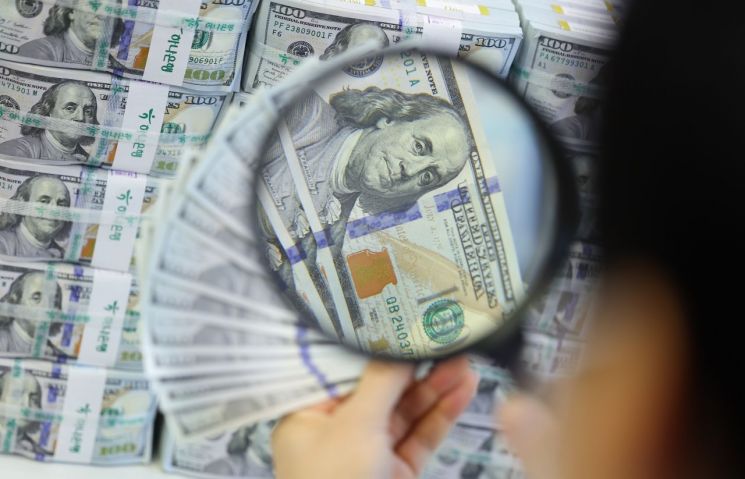
The budget bill reportedly includes ▲ maintaining the current government budget level until March 14 next year ▲ a $100 billion disaster relief budget ▲ a $10 billion support budget for farmers, according to U.S. media reports.
However, the bill excluded the debt ceiling abolition demand made by President-elect Trump.
Instead, the Republican Party reportedly agreed to raise the debt ceiling by $1.5 trillion next year while cutting future government spending by $2.5 trillion.
The bill also omitted provisions such as investment restrictions on China, which were originally included in the bipartisan agreement.
Earlier, the U.S. bipartisan parties agreed on the 18th to execute a temporary budget maintaining the current level until March next year. However, President-elect Trump insisted that the debt ceiling suspension must be included and that the Democrats' generous agreement should be excluded, leading the Republicans to reverse the agreement.
During this process, Elon Musk, Tesla CEO and a new influential figure on Trump's side, publicly threatened that if the bipartisan agreement was supported, he would effectively push them out of Congress.
As a result, with the temporary budget bill passing the House, only the Senate approval and the President's signature procedures remain.
© The Asia Business Daily(www.asiae.co.kr). All rights reserved.
![Clutching a Stolen Dior Bag, Saying "I Hate Being Poor but Real"... The Grotesque Con of a "Human Knockoff" [Slate]](https://cwcontent.asiae.co.kr/asiaresize/183/2026021902243444107_1771435474.jpg)















