The Most Urgent Need at Large-Scale Protests Is 'Restrooms'
Conflicts Arise Over Restroom Use on Private Property
Essential Infrastructure for Hygiene and 'Civil Society'
Since the emergency martial law situation on the 3rd, as more citizens took to the streets, the 'essential item' was neither hot packs, cheering sticks, nor coffee. It was 'restrooms.' It is natural that the demand for restrooms surges in spaces crowded with large numbers of people. Conflicts even arose between protesters and private businesses over securing restrooms. This is why the 'Restroom Map' was created.
On the 12th, a website called the 'Yeouido Restroom Map' was shared on online communities and social networking services (SNS). This website is an interactive map marking public and private restrooms near the National Assembly building, reportedly created and distributed by a netizen.
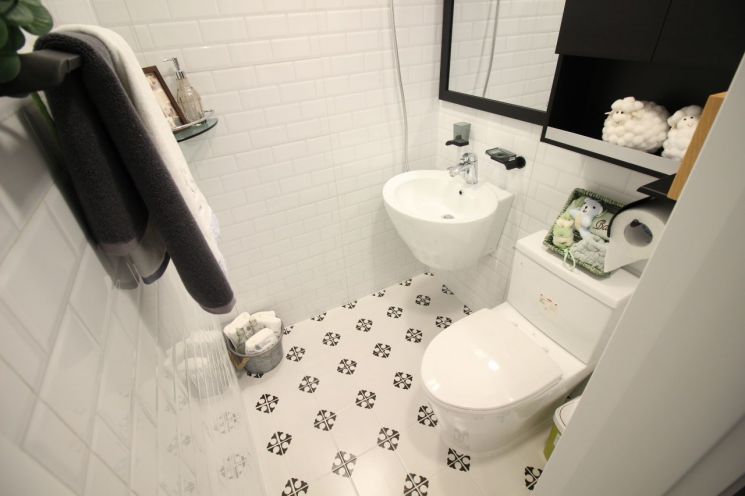
Restrooms have already become an essential item for 'square democracy.' On the 7th, the estimated number of protesters gathered near Yeouido was about one million (according to the organizers). When such a large crowd stays in the same place for several hours, the demand for restrooms inevitably surges.
In fact, on SNS and communities, 'securing restroom space' emerged as the protesters' top priority. Posts sharing the locations of public restrooms in parks appeared, and debates arose over how to share the overcrowded restrooms.
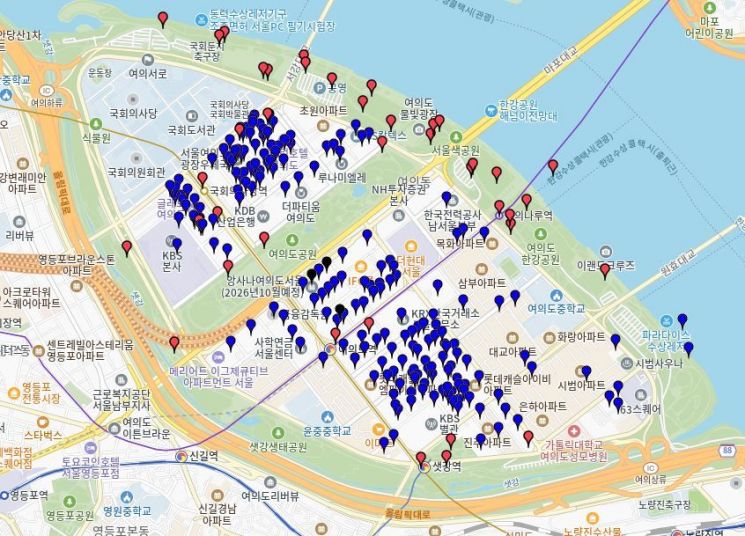 'Yeouido Restroom Map' created and distributed by netizens. It can indicate public restrooms, open restrooms, and privately owned restrooms that are not open in areas where protesters gather. Webpage capture
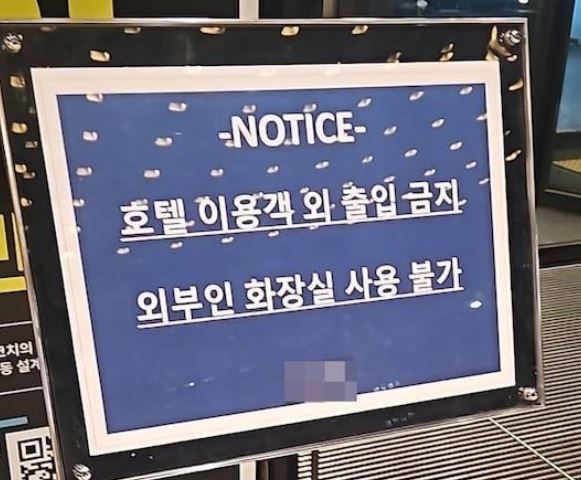
Restrooms were such an important issue that they caused conflicts between protesters and private businesses. On the 7th, a sign was placed at the entrance of Hotel A in Yeouido stating, "No entry except for hotel guests. No restroom use for outsiders." A video shared by a netizen shows hotel staff blocking a protester trying to enter the building.
Some protesters who saw the photos and videos launched a 'star rating attack' on the hotel. Sharp reactions poured in, such as "Do they think protesters won't be customers?", "Are they abusing power with restrooms?", and "Is this an anti-martial law hotel?" This incident sparked intense debates among netizens as well. Some criticized, saying, "Why should private property be opened to protesters?" and "Isn't kindness being mistaken for a right?" Amid growing controversy, the hotel reportedly opened its restrooms belatedly.
The 'Yeouido Restroom Map' appears to have been created to prevent such conflicts. The map not only marks restroom locations within Yeouido buildings but also carefully indicates, using colors and text, whether the restrooms are public and accessible to anyone or private but open to third parties as 'open restrooms.' Restrooms not open to outsiders are marked with a black icon to prevent conflicts between protesters and businesses.
Voices expressing a renewed awareness of the importance of public restrooms have also emerged from this protest. One netizen left a comment saying, "Democracy requires restrooms."
In fact, the domestic public restroom infrastructure greatly contributes not only to hygiene but also to the promotion of public welfare and 'civil society' itself. According to a survey by the Korea Restroom Association, as of 2019, there were 58,248 public restrooms nationwide, of which 40,748 were installed in public institution buildings and 5,252 in parks.
© The Asia Business Daily(www.asiae.co.kr). All rights reserved.
![Clutching a Stolen Dior Bag, Saying "I Hate Being Poor but Real"... The Grotesque Con of a "Human Knockoff" [Slate]](https://cwcontent.asiae.co.kr/asiaresize/183/2026021902243444107_1771435474.jpg)

















