Province to Focus Bus Dispatch on Seoul Inbound and Outbound Commuting Hours for 6 Regional Areas
Support Alternative Transportation with Reserve Vehicles and Charter Buses
Operate 24-Hour Emergency Transport Headquarters and Conduct Situation Monitoring
Gyeonggi Province announced on the 4th that it has prepared an emergency transportation plan to minimize inconvenience to residents in response to the total strike by the Korea Railroad Corporation (KORAIL) railway union and Seoul Metro union, including increasing the number of intercity, metropolitan, and city buses and extending the last bus times for village buses.
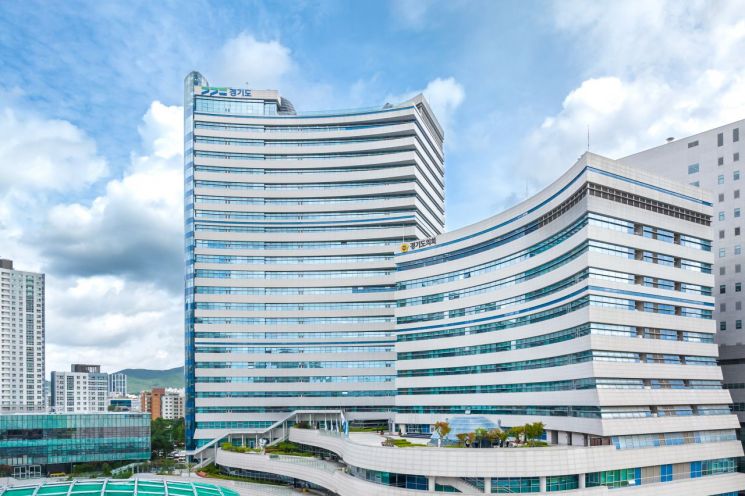
Gyeonggi Province held two emergency transportation strategy meetings with the Ministry of Land, Infrastructure and Transport and established the composition and operation plan of the provincial emergency transportation headquarters in preparation for the railway union strike.
The KORAIL union has announced an indefinite total strike starting from 9 a.m. on the 5th, and the Seoul Metro union from 9 a.m. on the 6th. Gyeonggi Province plans to organize the emergency transportation headquarters situation room from the day before the strike, the 4th, and operate it 24 hours a day until the strike ends.
The Gyeonggi Province Emergency Transportation Headquarters consists of a General Division and a Transportation Measures Division. The General Division operates the situation room, coordinates with related organizations, monitors strike trends, and runs a 24-hour disaster safety situation room, while the Transportation Measures Division is responsible for emergency transportation measures such as buses and taxis.
The Emergency Transportation Headquarters divides Gyeonggi Province into six regions: Gyeongui, Gyeongwon, Eastern, Southeastern, Gyeongbu, and West Coast. It will enhance transportation capacity by concentrating deployment of 2,141 metropolitan buses on 202 routes and 450 city buses on 46 routes during commuting hours for routes entering and exiting Seoul. It will monitor demand and deploy 124 reserve metropolitan buses and 280 city buses on routes with increased congestion, and if necessary, mobilize charter buses.
For intercity buses, 97 additional buses will be deployed on 45 routes across five regions (Capital area, Chungcheong area, Gangwon area, Honam area, Yeongnam area) using reserve vehicles held by companies, increasing operations by 152 trips. For village buses, on 832 routes with 2,923 buses, last bus times will be extended by one hour at night as needed according to the circumstances of each city or county. The taxi association and local governments will also be requested to actively encourage taxi operations during the strike period.
Additionally, monitoring through integrated control center CCTVs in cities and counties will prepare for emergency situations such as crowd congestion accidents. Safety personnel will be additionally deployed at major stations on six lines under Gyeonggi Province’s jurisdiction (Uijeongbu Light Rail, Yongin Light Rail, Gimpo Gold Line, Hanam Line, Bucheon Line, Byeollae Line), and thorough safety accident prevention will be ensured through on-site congestion inspections at major transfer stations within the province.
The Gyeonggi Province Emergency Headquarters will promptly inform residents of the strike situation and alternative transportation methods through the media, Gyeonggi Province and city/county websites, the Gyeonggi Bus Information app, G Bus TV, social media, and notices at bus stops once the strike begins.
Han Tae-woo, Director of Railway Operations at Gyeonggi Province, said, “We will do our best to support alternative transportation and monitor situations such as crowd congestion to minimize inconvenience to residents during the railway strike.”
© The Asia Business Daily(www.asiae.co.kr). All rights reserved.
![Clutching a Stolen Dior Bag, Saying "I Hate Being Poor but Real"... The Grotesque Con of a "Human Knockoff" [Slate]](https://cwcontent.asiae.co.kr/asiaresize/183/2026021902243444107_1771435474.jpg)















