NYT Reports on Mexican Drug Cartel Recruiting Talent
College Students Involved in Enhancing or Manufacturing Fentanyl
Focus on Developing Precursors Imported from China
The ransom for chemistry students in Mexico, a major supply source of fentanyl known as the "zombie drug," is rising. Mexican drug cartels are mobilizing highly educated talent who can utilize chemical knowledge as they seek ways to strengthen the fentanyl component or independently manufacture fentanyl without Chinese chemical substances.
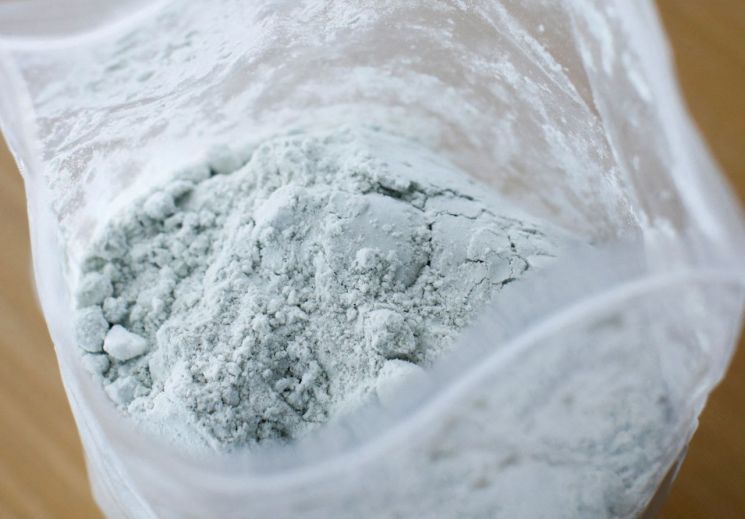
The New York Times (NYT) recently reported that Mexican drug crime organizations are using university campuses as recruitment hubs to enlist chemistry students and involve them in fentanyl production. They believe that students with specialized chemical knowledge can make fentanyl more addictive, so they are putting effort into recruiting highly educated talent.
Cartel recruiters infiltrate university areas disguised as janitors to directly approach chemistry majors, saying things like, "Contact us if you're interested." If a student shows interest, cartel members blindfold the student five days later and take them to a secret laboratory in the mountains. The drug organizations are cautious yet bold in committing illegal acts, focusing on recruiting students who possess both academic knowledge and worldly understanding.
This recruitment process is so frequent that even chemistry professors at Mexican universities describe it as "common." A chemistry professor at a university in Sinaloa, northwestern Mexico, said some students registered for classes to learn skills that could help in fentanyl production, and through their questions, the professor could identify which students might be involved.
The chemistry students recruited in this way are assigned various tasks within the cartel. They participate in experiments to strengthen fentanyl components or produce precursors. They also supervise or join in the mass production of fentanyl. One chemistry student explained that the term "cook" is sometimes used to refer to fentanyl manufacturers.
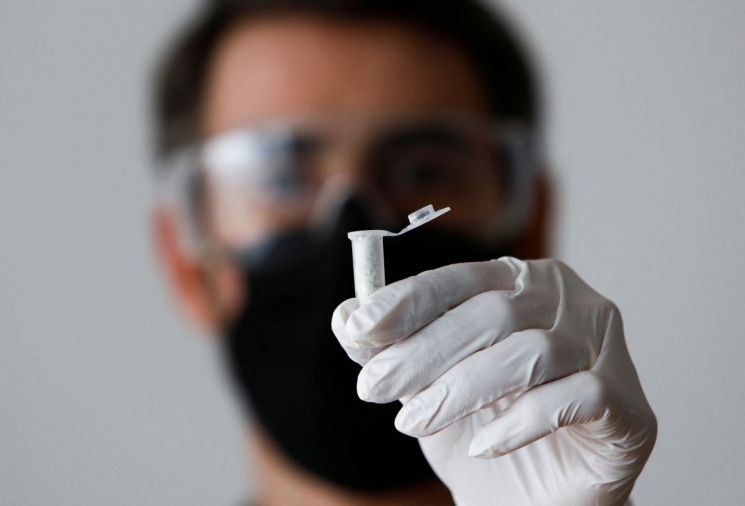 A man in Mexico City, Mexico, is seen holding a fentanyl precursor vial. Photo by Reuters and Yonhap News.
The area where the cartel focuses most on the recruited young technicians is finding ways to manufacture fentanyl without precursors. Precursors are chemical substances that serve as raw materials for drugs and mostly have to be imported from China. Consequently, they are inevitably dependent on China, but they are seeking chemical solutions to independently manufacture fentanyl in Mexico.
The Sinaloa Cartel, classified as Mexico's largest criminal organization, began recruiting chemistry professors to develop precursors after supply chains were partially blocked due to the pandemic. In some Mexican fentanyl laboratories, young chemists have been arrested, and it is reported that they testified to developing precursors and enhancing fentanyl components.
A first-year chemistry student involved in fentanyl production told the NYT that they tried various experiments, such as mixing it with animal anesthetics, but failed to produce fentanyl precursors. A chemistry student who has been manufacturing fentanyl for the past six months said that if they succeed in producing fentanyl without precursors, they would "become the king of Mexico."
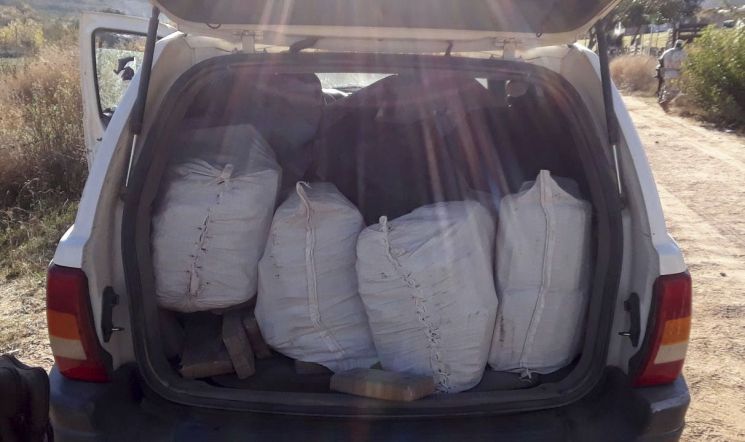 In January 2018, a vehicle loaded with 45.5 kg of fentanyl in the trunk was seen in Baja California, the northernmost part of Mexico. Photo by AP Yonhap News
Developing precursors itself is not easy. It is illegal and involves significant risks such as exposure to poisons or explosions during the drug manufacturing process. Nevertheless, since the income can be twice as high as the legal jobs available to chemistry graduates, it is an enticing offer for chemistry students. In some cases, they not only pay salaries but also offer to cover tuition fees so that students do not have difficulties graduating.
The reason the cartel is putting so much effort into recruiting talent is that fentanyl production is becoming increasingly difficult. About ten years ago, when fentanyl was first mass-produced, the so-called cooks did not need special academic knowledge. However, as the Chinese government restricted precursor exports and the Mexican government cracked down on chemical imports with various sanctions, a solution was needed, and it appears that highly educated talent is being sought as that solution.
Dot Robinson, Deputy Assistant Secretary of the U.S. Department of State's Bureau of International Narcotics and Law Enforcement Affairs, said, "The cartel knows that we are focusing globally on the illegal trade of precursor chemicals," adding, "This has led the cartel to try to manufacture within their own country."
Meanwhile, then-President-elect Donald Trump pressured the Mexican and Chinese governments before and after his election to take action, warning that if they did not stop fentanyl from entering the U.S., a 25% tariff would be imposed. In fact, the Mexican government, with U.S. support, has attempted several times to eradicate cartels but has often failed to make a significant impact, resulting only in violent incidents within the country.
© The Asia Business Daily(www.asiae.co.kr). All rights reserved.
![Clutching a Stolen Dior Bag, Saying "I Hate Being Poor but Real"... The Grotesque Con of a "Human Knockoff" [Slate]](https://cwcontent.asiae.co.kr/asiaresize/183/2026021902243444107_1771435474.jpg)

















