Europe Sees Increase in Food Gift Giving Instead of Wine Due to Alcohol Avoidance
"Food Gifts May Indicate Lack of Items in the Kitchen"
Recently in Europe, there has been a growing trend of gifting gourmet food items such as premium olive oil instead of wine when invited to dinners or parties. However, experts warn that giving food as a gift can be interpreted as a 'rude' gesture.
Recently, the British daily The Times cited the 250-year-old popular British magazine House & Garden, reporting that caution is needed when presenting high-end food gifts at invitations. Liz Wise, the editor-in-chief of the magazine, said, "It is understandable that some people consider premium olive oil a good gift as more people prefer high-quality olive oil," but she also pointed out, "However, gifting gourmet food can imply that the host’s kitchen lacks sufficient supplies."
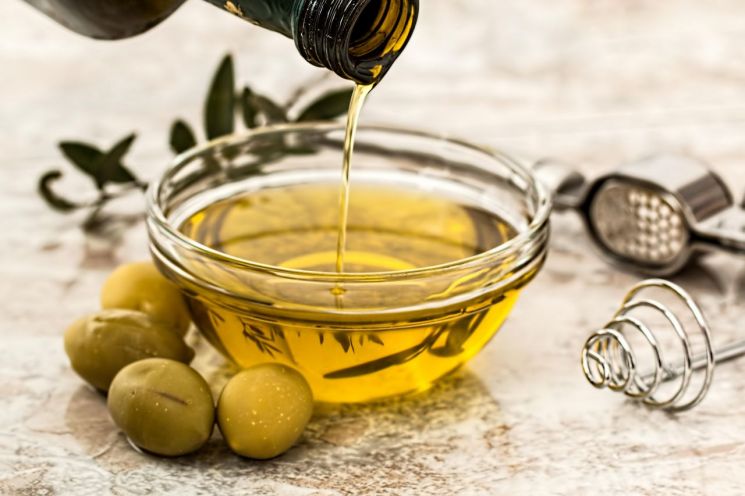
Arabella Bowes, a writer contributing to the magazine, also noted, "As more people give gourmet food gifts, each household’s pantry has come to symbolize the owner’s social status," adding, "This year, many guests attending sophisticated dinner parties have been giving not only olive oil but also nuts, honey, vinegar, and even premium salt as gifts."
The decline in alcohol consumption is also one of the main reasons for the increase in food gifts instead of wine. According to a survey by Drinkaware, an alcohol education charity, 19% of British adults decided not to drink alcohol last year. This is a 3 percentage point increase from 16% in 2011. The trend of avoiding alcohol is especially pronounced among younger people. A recent study revealed that 26% of those aged 16 to 24 do not drink alcohol, while only 14% of those aged 55 to 64 gave the same response.

Traditionally in Europe, when invited to someone’s home, the three basic gifts are wine, flowers, or chocolates. Therefore, Wise advised that giving traditional gifts like wine is safer than premium food items. He said, "The only time olive oil can be a good gift is when returning from a holiday in the Mediterranean," adding, "A beautiful bottle of extra virgin olive oil purchased from an Italian farm visited during a vacation is naturally a good gift." However, he also cautioned, "There are many subtle considerations when gifting food, and it is best not to bring anything that could imply criticism of the host (the organizer of the gathering)."
Wise also emphasized, "A good bottle of wine is still the best choice," explaining, "Even if the host does not drink alcohol, they can offer the wine to other guests. Unless the wine completely clashes with the food, the host will likely think it is appropriate to open the bottle and serve the guests that evening."
Meanwhile, as wine consumption continues to decline, the French government, the home of wine, recently announced a 'restructuring' plan to uproot vineyards. In September, the French Ministry of Agriculture submitted a vineyard support plan worth 120 million euros (approximately 178.8 billion KRW) to the European Union (EU) Commission. The ministry explained, "As the first response to the structural difficulties facing the wine industry, we have notified the Commission of a plan to permanently reduce vineyard areas."
Wine consumption in France is steadily decreasing. According to Agence France-Presse, French wine consumption has dropped by 70% over the past 60 years. In the 1960s, the average French person drank 120 liters of wine per year, but recently, this has fallen to about 40 liters, roughly one-third of that amount.
© The Asia Business Daily(www.asiae.co.kr). All rights reserved.


















