As the weather gets colder, people naturally seek out hot foods.
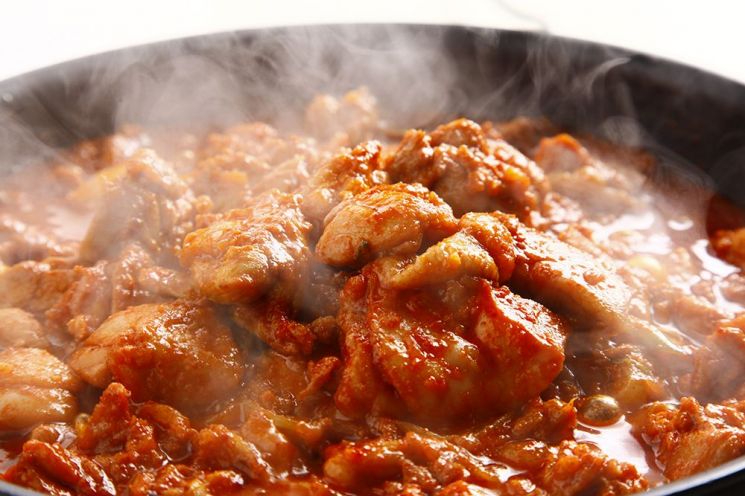
At this time, caution is needed because consuming food that is too hot can cause burns and damage to the oral cavity, pharynx, larynx, and surrounding soft tissues.
Burns can occur mainly when swallowing hot foods such as soup, porridge, stew, coffee, tea, and soup, or when inhaling hot steam generated during cooking with hot food or steamers. These burns are called oral burns or pharyngolaryngeal burns depending on the area affected, and are classified as first-degree, second-degree, or third-degree burns depending on the severity.
First-degree burns are mild burns that cause redness, swelling, or slight inflammation in the affected area. They may cause slight stinging and pain when speaking or eating, but do not cause significant breathing difficulties.
From second-degree burns onward, caution is required. Blisters may form, accompanied by severe pain, swelling, and inflammation. Skin peeling and bleeding may occur on the tongue or lips, and in the case of the pharyngolarynx, swelling can cause breathing difficulties. Immediate medical attention is necessary for proper treatment.
Severe third-degree burns cause skin damage that turns white or black, and ulcers may form, resulting in damage to deep tissues. Severe pain may be accompanied by loss of sensation, or airway obstruction may lead to serious breathing difficulties, so emergency measures should be taken and prompt medical care sought.
For mild burns, rinse the mouth immediately with cold water, avoiding direct contact with ice. Drink plenty of fluids to prevent dehydration of the burn area, avoid spicy or hot foods until recovery, and consume mainly soft and cold foods.
Recovery usually takes about 3 to 4 days on average, but if not properly managed, wound healing may be delayed and bacterial infections may occur. Therefore, oral hygiene should be maintained carefully, and if pain or wounds are severe or healing is slow, consult medical professionals for diagnosis and receive appropriate treatment such as anti-inflammatory painkillers or topical ointments.
If serious symptoms such as bleeding, burning pain, breathing difficulties, severe swelling, voice changes, foreign body sensation in the throat, inability to produce voice or cough occur, immediate medical attention is required.
Jonghee Jeong, Head of the Regional Emergency Medical Center at Daedong Hospital (Emergency Medicine Specialist), said, “Most people have experienced burning their mouth while eating hot food at least once. Although most cases are mild burns, neglecting them due to incorrect self-assessment can worsen inflammation and lead to other problems, so symptoms should be carefully monitored. Especially, pharyngolaryngeal burns can lead to serious conditions and require immediate treatment. Above all, preventive measures should be taken in daily life to avoid burns.”
To prevent oral and pharyngolaryngeal burns, develop the habit of checking the temperature before eating. For foods that are so hot that steam is visible, transfer them to a plate and let them cool briefly before eating. For foods like steamed buns (hobang), dumplings, hotteok, or roasted sweet potatoes, which are hotter inside than outside, it is better to cut them with chopsticks or other utensils rather than biting directly, and then let them cool before eating.
Particular caution is needed for the elderly and children, as they are more susceptible to burns than other age groups.
© The Asia Business Daily(www.asiae.co.kr). All rights reserved.
![Clutching a Stolen Dior Bag, Saying "I Hate Being Poor but Real"... The Grotesque Con of a "Human Knockoff" [Slate]](https://cwcontent.asiae.co.kr/asiaresize/183/2026021902243444107_1771435474.jpg)















