Utilized as a Means to Evade Sanctions
Russian Businessman Laundering North Korean Coins Arrested
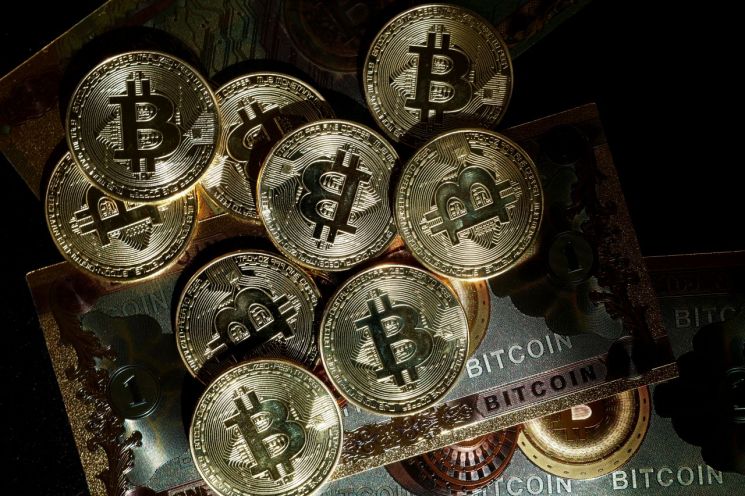
Russian President Vladimir Putin has proposed the establishment of a platform centered on BRICS countries that enables payments using electronic currencies, drawing attention to the background of this initiative. It is interpreted as a strategy by Russia, excluded from the international payment system due to sanctions, to activate the use of electronic currencies as a means to circumvent sanctions. There are also expectations that North Korea, which is procuring international trade payments through various bypass methods due to sanctions, will increase the proportion of electronic currency use in transactions with Russia overall.
Putin: "Establishing an Electronic Currency Payment Platform Among Developing Countries"
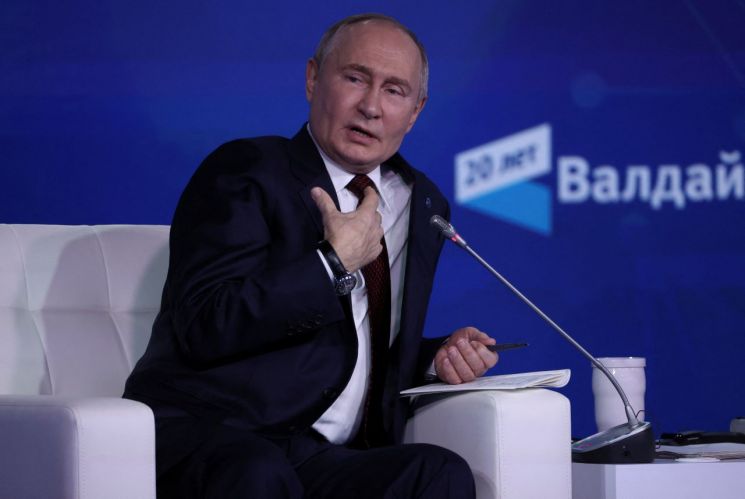
According to TASS news agency, President Putin stated on the 8th (local time) at the Valdai Club meeting held in Sochi, Russia, "I propose creating an electronic currency payment platform centered on BRICS countries to invest in developing markets in Asia, Africa, and Latin America," adding, "These regions will certainly see increases in population growth, capital accumulation, and urbanization in the future."
This is interpreted as an intention to build related infrastructure to increase the share of electronic currencies in transactions between developing countries and Russia. Since the imposition of sanctions on Russia following the outbreak of the Ukraine war in February 2022, which blocked dollar payments through the international interbank payment system (SWIFT), Russia has been seeking to increase the share of electronic currencies in international trade.
Russian authorities have proposed to BRICS countries, including China, the establishment of the 'BRICS Bridge' platform, a central bank digital currency (CBDC) payment system, and domestically, at the end of July, Russia legalized the use of virtual currencies such as Bitcoin for international trade. Additionally, Russia has legalized cryptocurrency mining, allowing corporations and individuals to mine cryptocurrencies as long as they register with the authorities.
The cryptocurrency specialized media CoinTribune analyzed, "With the legalization of cryptocurrency mining such as Bitcoin, mining businesses are actively progressing in Russia, and the Russian government is estimated to have generated tax revenues of approximately $556 million (about 782.7 billion KRW) from this sector," adding, "Russia continues to seek means to circumvent sanctions and stimulate the domestic economy through cryptocurrencies."
North Korean Soldiers Sending Remittances via Bypass Methods to Pyongyang May Receive Salaries in Coins
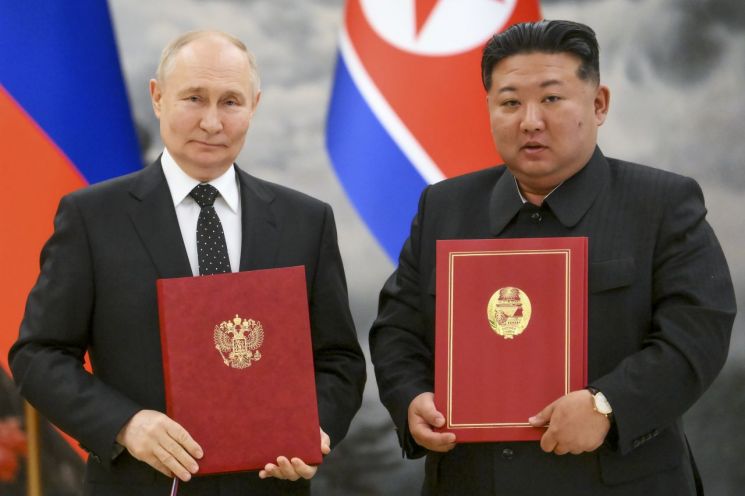
There is also speculation that the use of electronic currencies or virtual currencies will increase in transactions between Russia and North Korea in the future. The payment for North Korean military dispatch to Russia is about $2,000 (approximately 2.75 million KRW) per person per month. Since both Russia and North Korea are excluded from the international payment system, it is expected that if an electronic currency platform is established, financial transactions will become easier.
The number of North Korean workers dispatched to Russia reached 30,000 just before the UN sanctions on North Korea banned the inflow of North Korean workers in 2017, and even after the sanctions, they remain by changing to student or travel visas. According to the North Korean authorities' quota, each worker must remit $6,500 (about 9.14 million KRW) annually, approximately $540 (750,000 KRW) monthly. Considering Russia's minimum wage in 2024 is 19,242 rubles (about 270,000 KRW), the remittance quota per North Korean worker is substantial.
According to Voice of America (VOA), before the sanctions on Russia, North Korean workers exchanged their ruble salaries into dollars at exchange offices and then sent them to North Korea, but now foreign currency remittances to Pyongyang are blocked, making the use of complicated bypass methods inevitable. It is common for North Korean authorities to collect workers' funds and send money to nominee accounts under Chinese names, which are then sent back to North Korea.
There are concerns that virtual currency crimes linked between North Korean hacker groups and Russia will become more active. In fact, there was a recent case where a North Korean hacker group that stole funds from a cryptocurrency exchange was caught attempting to launder money together with a Russian organization.
According to Argentine media La Naci?n, in August in Buenos Aires, a Russian national was arrested while attempting to launder some of the cryptocurrency stolen by a North Korean hacking group. Disguised as a real estate agent, he received about $100 million (approximately 140.7 billion KRW) worth of cryptocurrency from the North Korean hacking group Lazarus and tried to launder the funds through multiple cryptocurrency exchanges and real estate transactions within Argentina before being apprehended.
The investigation began after it was detected that some of the funds stolen by Lazarus in a hacking incident in June 2022 had moved to an account at an exchange located in Argentina. Argentine police have been tracking the Russian account holder since October last year, and it is known that he moved residences monthly to evade police pursuit.
© The Asia Business Daily(www.asiae.co.kr). All rights reserved.
![Clutching a Stolen Dior Bag, Saying "I Hate Being Poor but Real"... The Grotesque Con of a "Human Knockoff" [Slate]](https://cwcontent.asiae.co.kr/asiaresize/183/2026021902243444107_1771435474.jpg)


















