GTX-A Paju Unjeong to Seoul Station Section Opens in December... Ilsan to Seoul Station in 16 Minutes
Nostalgic Gyoeoseon Line Runs Again After 20 Years... Connecting Northwestern Metropolitan Area East-West
New Daejang Hongdae Line Deogeun Station in Deogeun District to Start Construction Within the Year... Enhancing Seoul Accessibility
In December, the GTX-A Paju Unjeong~Seoul Station section and the suburban line will open, making access to central Seoul and the northern metropolitan area more convenient for Goyang Special City in Gyeonggi Province. The Dugeun Station, which will be newly established on the Daejang Hongdae Line, is also scheduled to begin construction within the year, promising continuous improvements in commuting conditions between Seoul and the metropolitan area.
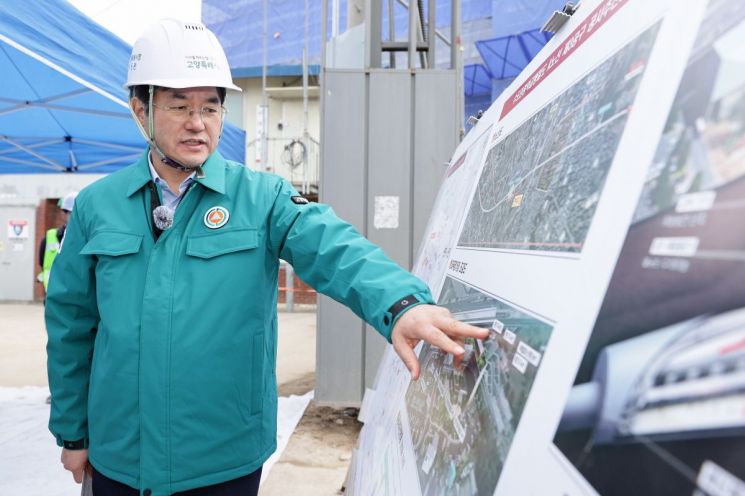 Lee Dong-hwan, Mayor of Goyang Special City, is visiting the GTX-A Daegok Station site to check the progress of the construction. Photo by Goyang Special City
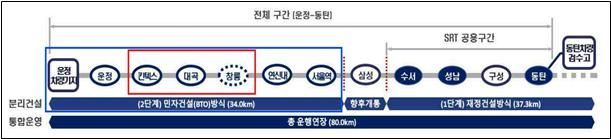
The GTX-A line, which began operating the Dongtan~Suseo section in March, will add the Paju Unjeong~Seoul Station section on December 28, following the opening of Guseong Station at the end of June. This line connects 11 stations over a total distance of 82.1 km, running from Paju Unjeong through Seoul Samseong Station to Hwaseong Dongtan. In the Goyang city section, KINTEX Station and Daegok Station will open, while Changneung Station is under development in line with the creation of the Changneung district.
The GTX operates at a maximum speed of 180 km/h, more than twice as fast as conventional railways, and functions as an express train with fewer stops. Built at a depth of 50 meters underground, it is free from noise issues. Currently, the construction progress is at 92%, with final works underway. The train consists of 8 cars per set, and vehicle test runs are in progress, with facility verification expected to be completed this month.
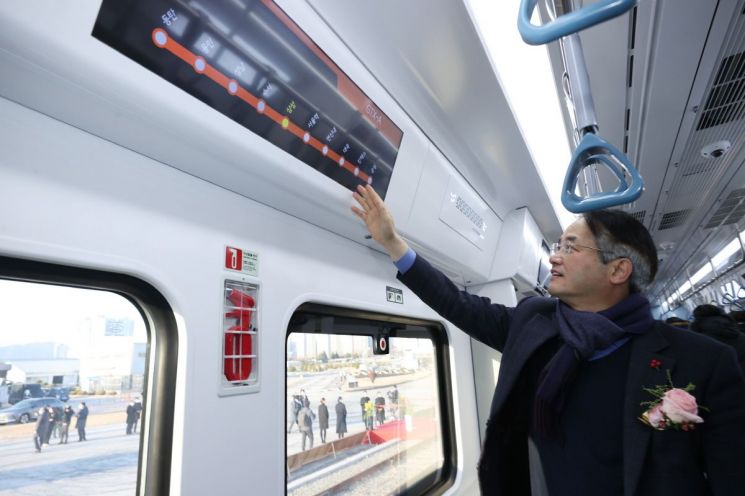 Lee Dong-hwan, Mayor of Goyang Special City, is inspecting the interior of a train at the GTX-A Metropolitan Express Railway delivery ceremony. Provided by Goyang Special City
Once the Paju Unjeong~Seoul Station section is operational, travel time from KINTEX to Seoul Station, which previously took over 50 minutes, will be drastically reduced to 16 minutes. With the establishment of a complex transfer center and the full opening of all sections to Samseong Station by 2028, it will be possible to travel from KINTEX to the heart of Gangnam in just 20 minutes.
Goyang Special City formed a GTX-A opening task force team earlier this year to prepare a connected transportation system and improvement plans for KINTEX Station and Daegok Station. Currently, Daegok Station operates a temporary parking lot with 65 spaces, and a new transfer parking lot with 226 spaces will open in time for the opening. Recently, with the greenbelt around Daegok Station being lifted and plans announced for the construction of a complex transfer center and a knowledge convergence complex, connected infrastructure is expected to be strengthened.
KINTEX Station will have a temporary parking lot with 84 spaces created on the C4 site in time for the opening, with an additional 114 spaces to be added by February next year. The KINTEX area is also undergoing a basic plan study for the complex development of underground spaces to revitalize the MICE industry and the local economy.
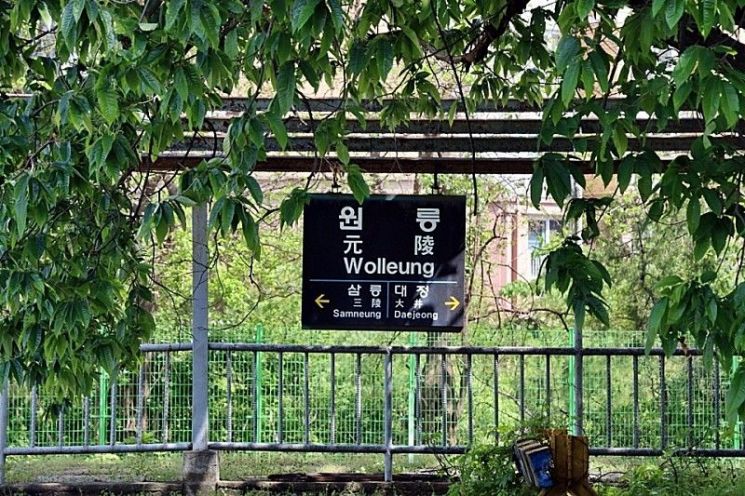
The suburban line connecting the northern metropolitan area from Goyang Special City to Yangju and Uijeongbu will reopen next month after 20 years. The suburban line, which first began operation in 1963, was a nostalgic route used by families, couples, and university students visiting nearby Seoul suburbs such as Songchu and Jangheung. Due to a decline in passengers, regular passenger trains stopped running in 2004, but with the increase in the metropolitan residential population, calls for resuming service grew louder.
In 2021, Goyang City, Gyeonggi Province, Uijeongbu City, Yangju City, the National Railroad Corporation, and Korea Railroad Corporation signed a business agreement to resume suburban line operations. From the second half of 2022, approximately 49.7 billion KRW was invested over about two years for renovation work. The total section is 30.3 km long, passing through six stations: Daegok, Wonreung, Ilyeong, Jangheung, Songchu, and Uijeongbu.
In particular, when GTX-A and the suburban line open simultaneously next month at Daegok Station, five lines including Line 3, Gyeongui-Jungang Line, and Seohae Line will pass through, likely increasing transfer demand among northern metropolitan residents. Travel time from Daegok Station to Uijeongbu Station will be reduced from the current 90 minutes to around 50 minutes, improving connectivity in northern metropolitan areas such as Yangju and Uijeongbu and expected to attract tourists.
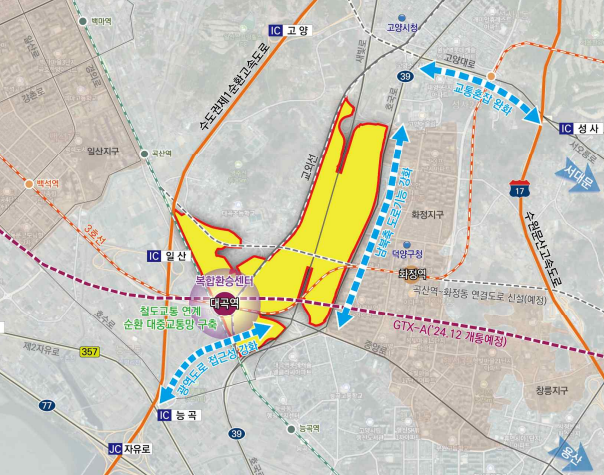 Site planned for Goyang Daegok Station Area Knowledge Convergence Complex. Provided by Goyang Special City
The trains will be diesel locomotives designed with a retro style, consisting of 3 sets of 5 cars each, operating 20 times a day (10 times each in both directions). The fare for the entire section is 2,600 KRW. Since October, comprehensive test runs have been underway, and the city plans to assign crossing safety managers after completing road paving and safety facility installation at railroad crossings.
Additionally, the city has proposed electrification of the suburban line in the 5th National Railroad Network Construction Plan and will start a feasibility study this month, investing 150 million KRW to examine the possibility of adding stops at stations such as Byeokje Station.
In October, the station for the Goyang section of the Daejang Hongdae Line was confirmed to be within the Dugeun district. The Daejang Hongdae Line runs approximately 20 km from Bucheon Daejang district through Dugeun district to Seoul Hongdae, taking a total of 27 minutes. There are 12 stations in total, with transfer stations at Wonjong Station (Seohae Line), Hwagok Station (Line 5), Gayang Station (Line 9), and Hongdaeipgu Station (Line 2, Airport Railroad, Gyeongui-Jungang Line), totaling four transfer points.
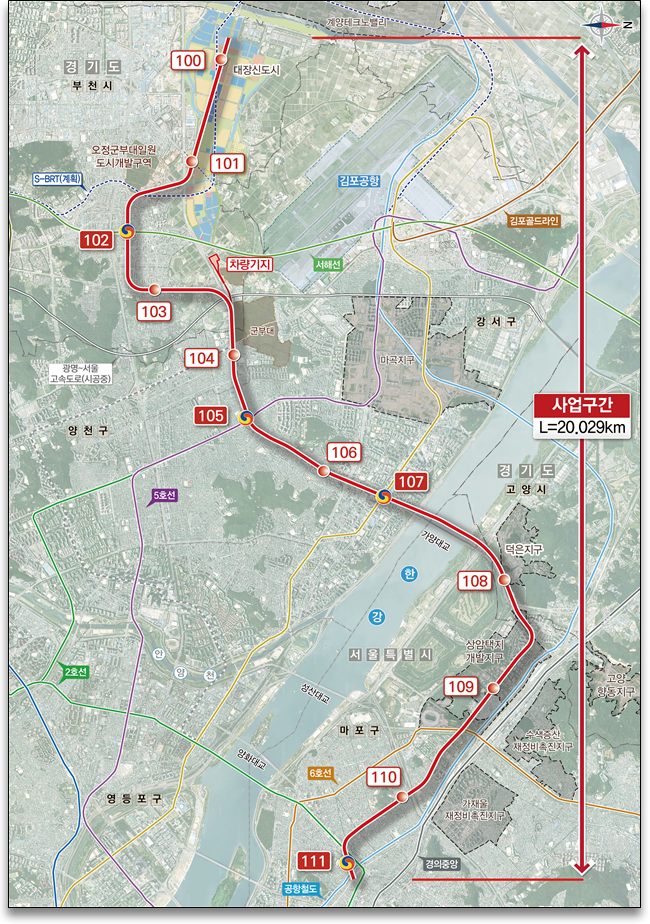
While private investment projects typically take over seven years from preliminary feasibility study to construction start, the Daejang Hongdae Line completed the process from the private investment eligibility survey in February 2021 to signing the implementation agreement in just three and a half years. Construction, originally scheduled for early next year, has been advanced to the end of this year, with opening planned for 2030.
The newly established Dugeun Station, confirmed to be located within the Dugeun district where apartments and residential-commercial complexes are densely concentrated, is expected to improve public transportation access for nearby residents who previously had to use Gayang Station or DMC Station.
Lee Dong-hwan, Mayor of Goyang Special City, said, “With the opening of the GTX-A Unjeong~Seoul Station section and the suburban line, commuting time to downtown Seoul will be shortened to within 20 minutes, and accessibility to the northern metropolitan area will improve. We will establish transfer systems at new stations such as Daegok and promptly advance the Daejang Hongdae Line to open the era of a 30-minute living zone in the metropolitan area.”
© The Asia Business Daily(www.asiae.co.kr). All rights reserved.
![Clutching a Stolen Dior Bag, Saying "I Hate Being Poor but Real"... The Grotesque Con of a "Human Knockoff" [Slate]](https://cwcontent.asiae.co.kr/asiaresize/183/2026021902243444107_1771435474.jpg)

















