Highest Inflow from Indonesia
Recently, a South Korean university student visiting Pakistan died after contracting dengue fever, raising concerns as the number of patients is rapidly increasing in major domestic dengue fever source countries such as the Philippines. Currently, there are no commercially available dengue fever vaccines or treatments in South Korea.
According to the Korea Disease Control and Prevention Agency on the 31st, the Philippines, a major source country for dengue fever, reported a cumulative total of 269,947 cases as of the 4th of this month, with 702 deaths. This is the second highest number since 2010 and represents an increase of more than 80% compared to the same period last year.
With global warming and increased overseas travel, mosquito-borne diseases are spreading worldwide. In the first quarter of this year, approximately 43,200 dengue fever cases were reported across Indonesia, with 404 deaths. Compared to the same period last year, infections increased 2.5 times and deaths about threefold.
In July, local transmissions were reported for the first time in non-epidemic countries such as Iran and France.
In South Korea, the number of dengue fever patients also increased compared to the same period last year. As of the 26th of this year, a total of 170 patients were reported, a 16.4% increase from 146 patients during the same period last year.
Most cases involved individuals infected after being bitten by mosquitoes in epidemic countries before entering the country, with 64 cases (37.6%) imported from Indonesia, the highest number. This was followed by ▲Philippines 44 cases (25.9%) ▲Thailand 22 cases (12.9%) ▲Vietnam 8 cases (4.7%) ▲Malaysia 8 cases (4.7%).
The number of domestic dengue fever patients sharply decreased during the COVID-19 pandemic but is now on the rise again. By year, the numbers were ▲273 in 2019 ▲43 in 2020 ▲3 in 2021 ▲103 in 2022 ▲and 206 last year.
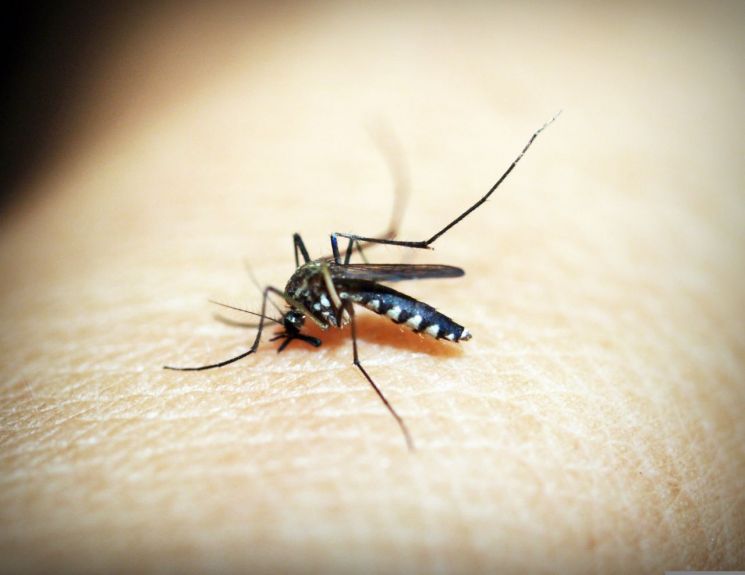
Dengue fever, caused by dengue virus infection, is mainly transmitted through bites from vector mosquitoes such as Aedes aegypti and Aedes albopictus that carry the virus. It can also be transmitted through blood transfusions. The fatality rate is about 5%, which can be reduced to 1% with early treatment, but can reach up to 20% if treatment is delayed.
Since there are currently no commercially available dengue fever vaccines or treatments, prevention is most important. The Disease Control and Prevention Agency recommends applying mosquito repellent every 3 to 4 hours when going outdoors during travel and wearing light-colored long clothing.
If symptoms are suspected, report them to quarantine officers upon entry and you can receive a free dengue fever test. To prevent transmission, blood donation should be avoided for six months after treatment completion.
© The Asia Business Daily(www.asiae.co.kr). All rights reserved.
![Clutching a Stolen Dior Bag, Saying "I Hate Being Poor but Real"... The Grotesque Con of a "Human Knockoff" [Slate]](https://cwcontent.asiae.co.kr/asiaresize/183/2026021902243444107_1771435474.jpg)















