"Missile Stock Shortage"... Threat to Air Defense Network
Concerns Over Disruption in Deterrence Posture Against China
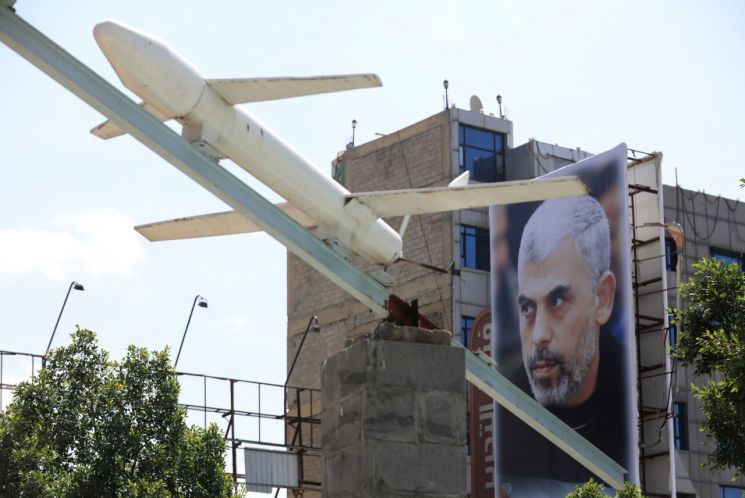
As the conflict between Israel and Hamas prolongs, it is reported that the stock of anti-air missiles for U.S. forces deployed in the Middle East is running low. The shortage of missile inventory has also been pointed out as the reason why some air defense systems were breached during Iran's large-scale missile attacks on Israeli mainland earlier this month. There are concerns that this could negatively impact the U.S. military’s readiness to deter Chinese military provocations around the Taiwan Strait, potentially weakening deterrence against China.
"Over 100 Missiles Used Intercepting Houthi Drones... Concerns Over Operational Disruptions"
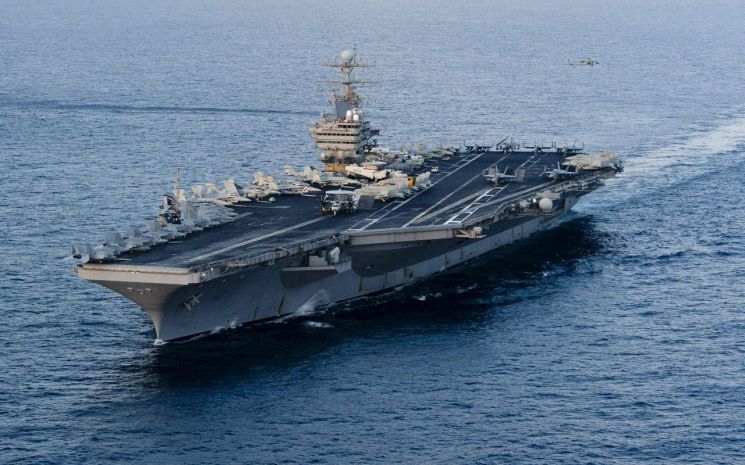
The Wall Street Journal (WSJ) recently reported that the shortage of U.S. military anti-air missiles, including the Standard Missile used by naval fleets, is raising concerns about operational disruptions in the Middle East. As Israel exchanges missile strikes with Hamas, Lebanon’s Hezbollah, Iran, and Yemen’s Houthi forces, a massive amount of missiles have been expended, leading to a shortage of inventory that is now affecting combat readiness.
WSJ cited U.S. government officials saying, "Since the outbreak of hostilities between Israel and Hamas in October 2023, over 100 Standard Missiles have been used to intercept drone attacks by Houthi forces in the Red Sea," adding, "The rate of missile consumption far exceeds production, rapidly depleting stocks, and it is difficult to increase supply in the short term."
They further explained, "When Iran launched approximately 180 ballistic missiles at Israel in early October, U.S. and Israeli forces preserved interceptor missile stocks by not targeting key facilities and allowing some missiles that veered off course to pass through without interception." This shortage of missile inventory was also the reason why some Israeli military and civilian facilities were hit.
Although the missile shortage threatens Israel’s air defense network, rapidly increasing production is very challenging. Elias Youssef, Deputy Director of the Stimson Center, a bipartisan U.S. think tank, pointed out, "The possibility of prolonged large-scale attrition warfare in Europe and the Middle East was not included in U.S. defense plans. The U.S. government has not fostered the defense industry with the current situation in mind and does not meet its own readiness standards."
"Missile Shortage Threatens U.S. Ability to Counter China in Taiwan Strait and Pacific"
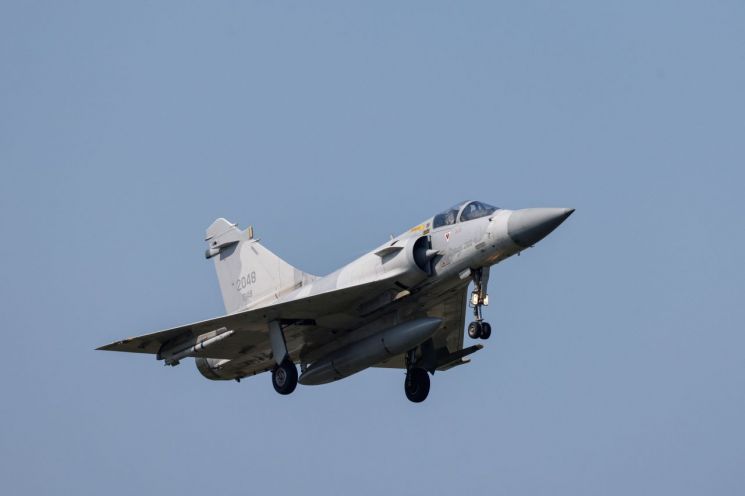
This missile shortage is ultimately delaying the strengthening of U.S. readiness in the Pacific region, which has been pursued since last year, thereby weakening deterrence against China. Mark Montgomery, Senior Director at the Foundation for Defense of Democracies (FDD), a U.S. think tank, stated, "We have consumed a year's worth of Standard Missiles in two wars, but these missiles were originally intended to be used to check China. Due to the unexpected prolonged conflicts in Europe and the Middle East, the naval readiness in the Pacific has fallen significantly behind China."
The missile shortage issue could also impact Taiwan’s defense capabilities, as Taiwan is purchasing large quantities of weapons from the U.S. On the 25th of last month, the U.S. Defense Security Cooperation Agency (DSCA) announced plans to sell $1.988 billion (approximately 2.76 trillion KRW) worth of weapons to Taiwan, including three advanced surface-to-air missile systems, NASAMS, and related equipment.
The problem is that NASAMS missiles, which are already in short supply and have many pre-orders from other allies, will take a considerable amount of time to be delivered. According to WSJ, NASAMS missiles were jointly developed by Norwegian defense company Kongsberg and U.S. company Raytheon, and orders have increased more than sixfold since the outbreak of the Ukraine war in 2022. It takes two years to complete one missile system and, due to the backlog of orders, delivery is expected to take more than four years.
© The Asia Business Daily(www.asiae.co.kr). All rights reserved.
![Clutching a Stolen Dior Bag, Saying "I Hate Being Poor but Real"... The Grotesque Con of a "Human Knockoff" [Slate]](https://cwcontent.asiae.co.kr/asiaresize/183/2026021902243444107_1771435474.jpg)

















