The white substance often seen on the surface of kimchi is known as ‘golmaji,’ which is edible and not mold. However, if mold of a different color that looks like threads is found, it should never be consumed.
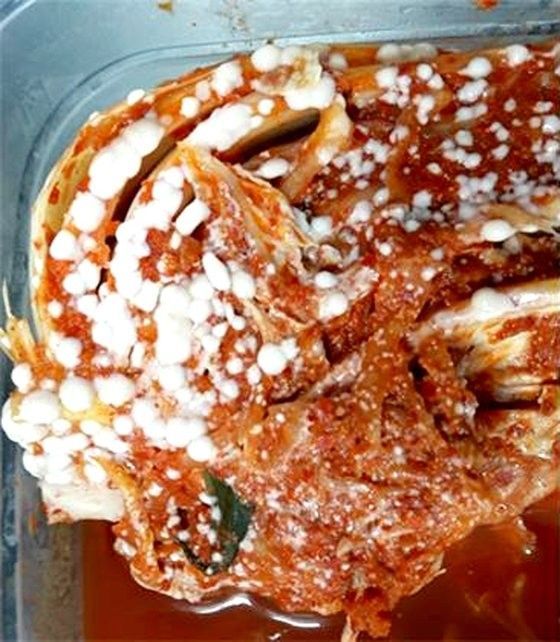
According to the Food Safety Information Service on the 26th, the white film found on the surface of kimchi is golmaji, not mold. Golmaji refers to a white film resembling mold that forms on the surface of kimchi and appears due to yeast activity as the lactic acid bacteria activity decreases in the later stages of fermentation. Golmaji can also appear in other fermented foods with moisture, such as soy sauce, doenjang (fermented soybean paste), and pickled vegetables, besides kimchi and kkakdugi (cubed radish kimchi). Kimchi with golmaji becomes softer over time and develops an off-odor.
The Food Safety Information Service stated, "Golmaji is a cluster of yeast and is non-toxic, so if the golmaji part is removed and the kimchi is rinsed with water before cooking it in dishes like braised or stewed foods, it can be eaten." However, they emphasized, "If you find mold of a different color that looks like threads and is not golmaji, you should never eat it."
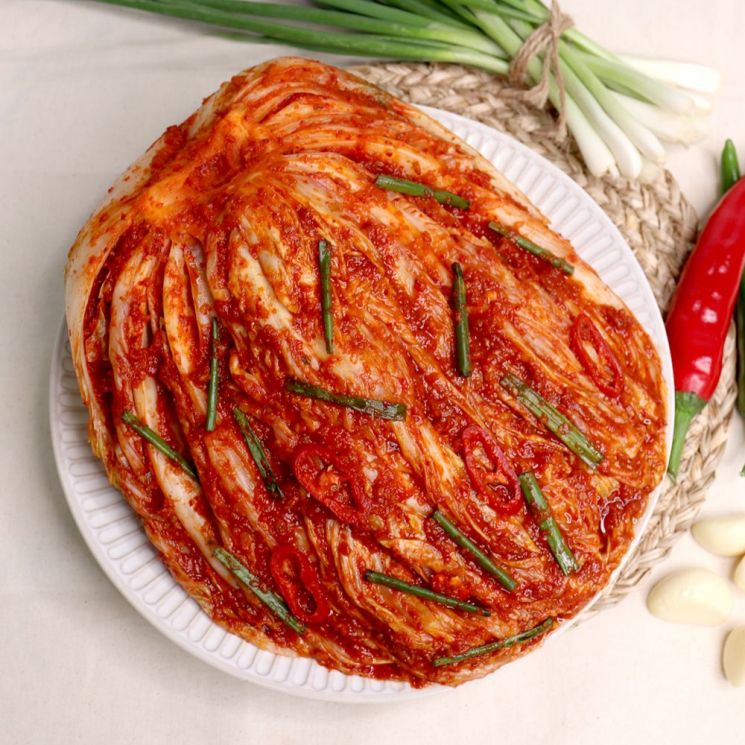
To prevent golmaji, when storing kimchi, cover the surface with plastic wrap or submerge it in its brine to avoid exposure to air, and store it at temperatures below 4 degrees Celsius. Golmaji tends to appear when the kimchi surface is highly exposed to air or stored at room temperature rather than in cold conditions.
Also, when making kimchi, pay close attention to washing the raw ingredients such as napa cabbage, and ensure that red pepper powder, salted seafood, and other ingredients are clean and free of impurities before use. Golmaji can appear more quickly if the raw materials are in poor condition or insufficiently washed, so caution is necessary.
© The Asia Business Daily(www.asiae.co.kr). All rights reserved.
![Clutching a Stolen Dior Bag, Saying "I Hate Being Poor but Real"... The Grotesque Con of a "Human Knockoff" [Slate]](https://cwcontent.asiae.co.kr/asiaresize/183/2026021902243444107_1771435474.jpg)
















