Initiating Policy Development to Address Labor Shortage and Improve Working Conditions
Identifying Policy Needs by Industry, Gender, and Age Groups
Implementing Flexible Work Systems and Individual Interviews... On-site Visits Conducted
Utilizing Survey Results for Support Measures and Budget Allocation
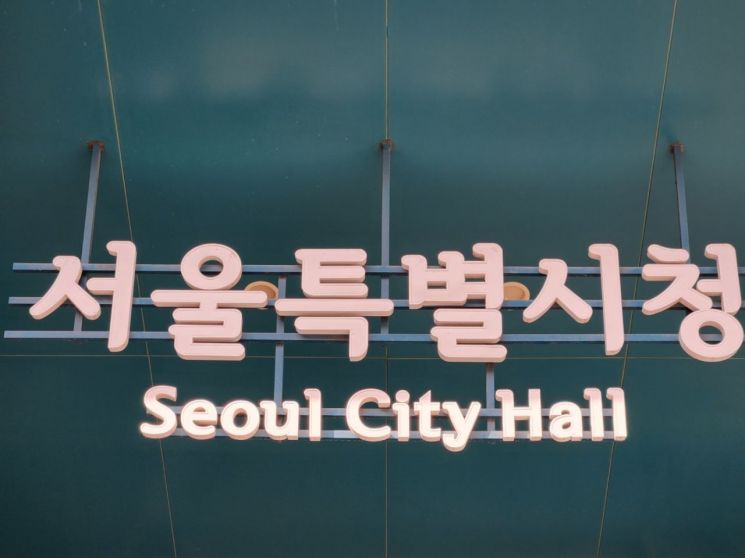
The Seoul Metropolitan Government is establishing customized support measures to expand foreign workforce and flexible working systems for small and medium-sized enterprises (SMEs). This aims to resolve the chronic labor shortage in SMEs and improve the working environment through the expansion of flexible work arrangements.
According to the Seoul city government on the 18th, the city recently launched a survey on the employment of foreign workers and the utilization status of flexible working systems targeting over 5,000 SMEs located in Seoul. The purpose is to use detailed management conditions, business transformation cases, and workforce utilization status as basic data for establishing support measures.
So far, Seoul has been promoting various policies for SMEs. Amid growing domestic and international uncertainties such as high interest rates, high exchange rates, and the Middle East and Ukraine wars, the city has supported SME development funds and covered costs for accounts receivable and export insurance to help cope with the risk of client bankruptcies. During the COVID-19 period, an early supplementary budget of 160 billion KRW was also implemented.
However, support focused on workforce management has been relatively insufficient. Although the government has introduced differentiated support measures such as tax benefits and tax audit deferrals, criticisms regarding labor shortages and poor working conditions in the field have persisted.
According to Seoul’s own statistics, as of the end of last year, only 6.2% of SMEs in Seoul employed foreign workers. In a survey conducted earlier this year by the Korea Federation of SMEs, SMEs expressed that despite the record-high introduction of 165,000 foreign workers this year, an additional 35,000 workers are still needed. Even with the increase in the employment limit for foreign workers per individual company, nearly 20% of business owners reported a shortage of foreign labor. Based on 54,780 companies utilizing foreign workers (E-9 visa holders), it is estimated that 16,270 companies have a demand for approximately 79,723 workers.
The situation is similar for flexible working systems, which are being promoted to improve the labor environment. As of the end of last year, Seoul reports that about 18% of SMEs in the city have adopted flexible working systems. However, this adoption is concentrated among large corporations and regular employees, and according to Statistics Korea, 47% of all wage workers wish to use flexible working systems but are unable to do so.
This is why Seoul plans to conduct a focused survey on the employment of foreign workers and the adoption of flexible working systems among SMEs. The survey will be segmented by industry, gender, age, employment type, and country of origin, and will also investigate reasons for non-implementation to identify specific policy demand groups. In particular, for flexible working systems, individual interviews will be conducted to hear voices from the field regarding work-life balance and expanded childcare management.
The final survey results will be fully utilized in establishing support measures. They will form the foundation of Seoul’s SME support policies and serve as basic data in the budget allocation process. In the mid to long term, the data is also expected to assist in selecting industries for development. A Seoul city official stated, "This is a process to closely examine Seoul’s industrial structure and provide necessary support where policies are needed. We will confirm voices from the field as much as possible and work together to improve the management environment of SMEs."
© The Asia Business Daily(www.asiae.co.kr). All rights reserved.

















