South Korea Ranks Lowest in OECD for Sleep Duration
1.24 Million Treated for Sleep Disorders Last Year
Expansion from Bedding to Galaxy Ring
There is a saying that "sleep is the best medicine," highlighting that deep sleep is an essential factor for physical and mental health. The so-called "Sleeponomics" phenomenon, where people invest in products that aid restful sleep, is becoming more pronounced.
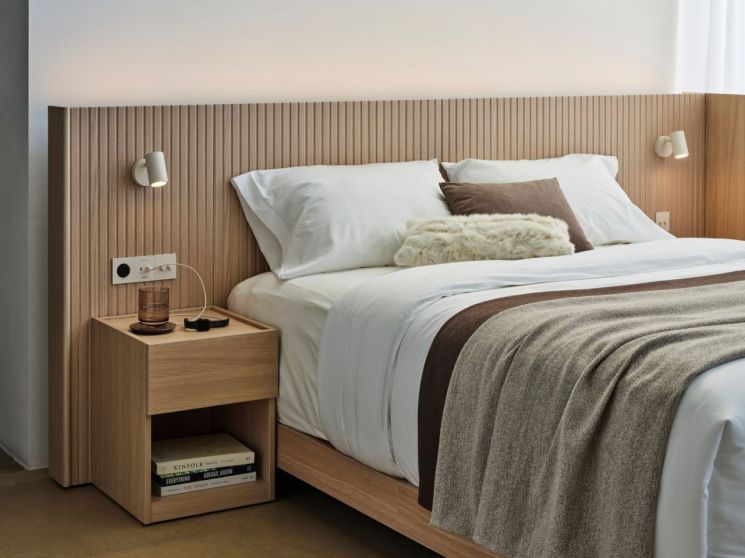
According to data submitted by the National Health Insurance Service to Nam In-soon, a member of the National Assembly's Health and Welfare Committee from the Democratic Party of Korea, 1.24 million people received hospital treatment for sleep disorders (organic and non-organic) last year. The number of patients increased by 24% over four years, from 990,000 in 2019. Medical expenses surged by 55%, from 207.5 billion KRW in 2019 to 322.7 billion KRW last year. Organic sleep disorders include insomnia, sleep apnea, and hypersomnia. Non-organic sleep disorders refer to conditions where emotional factors such as nightmares and sleepwalking cause physical abnormalities.
During sleep, the brain and other organs relieve accumulated fatigue from the day and strengthen the body's immune system. Sleep disorders, characterized by inability to sleep properly or persistent drowsiness even after sleeping, can cause learning disabilities, decreased work efficiency, various safety accidents such as traffic accidents, emotional disorders, and social adaptation difficulties. If not treated promptly, recovery from existing illnesses may be delayed or worsened.
Sleep disorders also cause social losses. The Korea Institute for Health and Social Affairs estimated that the annual economic loss caused by sleep deprivation ranges from 0.85% to 2.92% of the Gross Domestic Product (GDP).
Accordingly, the "Sleeponomics" phenomenon, involving investment in products that aid restful sleep, is becoming more distinct. Sleeponomics is a compound word of Sleep and Economics. The Korea Sleep Industry Association reported that the domestic Sleeponomics market grew more than sixfold over ten years, from 480 billion KRW in 2011 to 3 trillion KRW in 2021.
Sleeponomics is expanding beyond bedding products such as beds and pillows to the sleep tech market based on IT technology. Samsung Electronics' "Galaxy Ring," which analyzes users' sleep quality through advanced sleep analysis and algorithms, is a representative example.
Consumers are also showing increased interest in health functional foods (health supplements) and food and beverages that help with restful sleep. Health supplements using plant-based melatonin ingredients such as tart cherry, L-theanine, and pistachio extract are popular. These supplements do not require medical prescriptions like sleep-inducing drugs and can be easily purchased at supermarkets or convenience stores.
© The Asia Business Daily(www.asiae.co.kr). All rights reserved.

















