Court: "Lack of Evidence to Prove Charges"
A man in his 60s accused of drunk driving was acquitted after denying the charge by claiming he "drank alcohol inside the car after parking," Yonhap News reported on the 3rd.
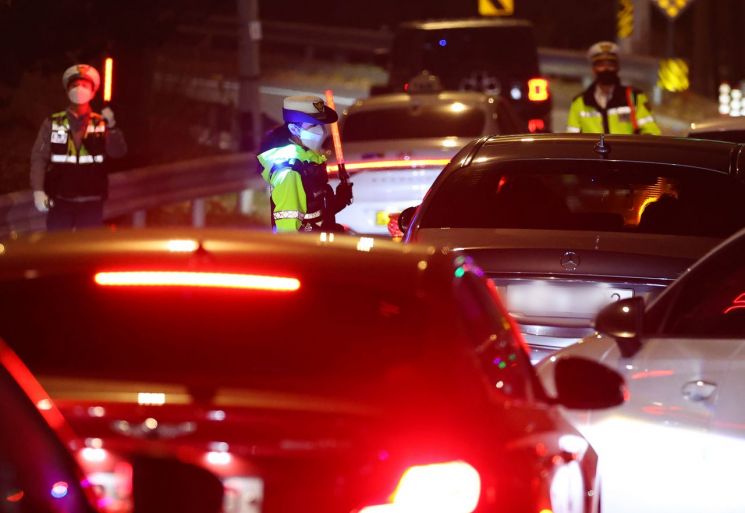
The Daegu District Court Criminal Division 6 (Judge Moon Chae-young) acquitted Mr. A (60), who was prosecuted for violating the Road Traffic Act (drunk driving). Mr. A was charged with driving about 2.4 km from an apartment parking lot in Suseong-gu, Daegu to Jung-gu late at night last September with a blood alcohol concentration (BAC) of 0.128%, which is above the license cancellation level (0.08% or higher).
At the time, he stayed inside the car for about 39 seconds after parking, then staggered and got out of the car. About 40 minutes later, when the police conducted a breathalyzer test, his BAC was measured at 0.128%.
A witness testified that Mr. A’s parking was unsteady and that he staggered and appeared abnormal when getting out of the car.
Mr. A claimed, "I drank an entire bottle of soju with 25% alcohol content inside the car for about 39 seconds after parking," and denied ever driving under the influence.
The court attempted to estimate the BAC at the time of driving by subtracting the increase in BAC caused by the defendant’s claimed 'post-driving drinking' from the police’s measured BAC. However, it was reported that the court did not find sufficient evidence to conclude that Mr. A actually drove with a BAC of 0.03% or higher, which is the legal threshold for drunk driving under the Road Traffic Act. This conclusion was reached by applying alcohol absorption rates favorable to the defendant and Widmark constants for adult males, following existing precedents.
The court also pointed out that poor evidence collection contributed to the acquittal. During the investigation, the police failed to properly ascertain the drinking location, type of alcohol, amount consumed, and elapsed time after drinking, which are crucial to determining whether Mr. A was driving under the influence. The court stated, "Even if he drank an entire bottle of soju (after parking), it is hard to accept that he would immediately behave as if intoxicated," but added, "However, it is difficult to definitively conclude that the defendant was driving under the influence based solely on circumstantial evidence and speculation."
‘Sultagi’ Method Spreads After Kim Ho-jung Incident
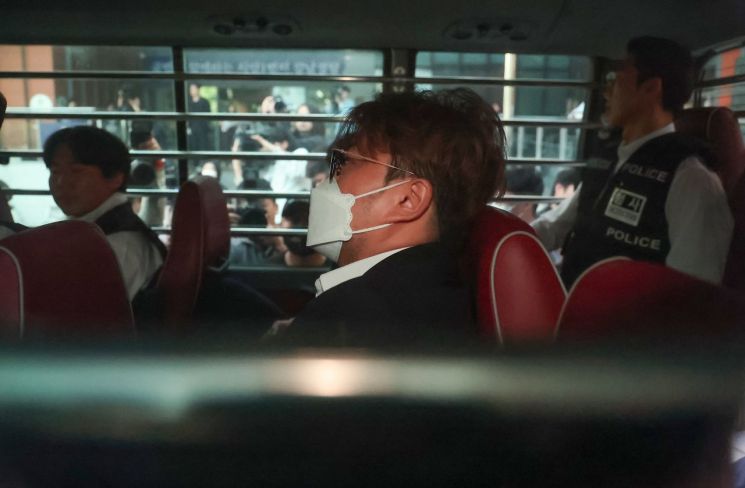
Since singer Kim Ho-jung, who gained fame through trot music broadcasts, used the so-called 'Sultagi' method?intentionally drinking more alcohol after a drunk driving accident and fleeing the scene?similar criminal attempts have continued to occur.
In June, Mr. B drove a vehicle while intoxicated in Seodaemun-gu, Seoul, and fled after dragging a police officer who tried to stop him. Mr. B was arrested about two hours after fleeing and denied drunk driving charges by claiming, "After abandoning the car, I bought and drank alcohol at a convenience store."
As the Sultagi method became widespread, the National Assembly’s Public Administration and Security Committee (PAS) passed the so-called 'Kim Ho-jung Prevention Act' (an amendment to the Road Traffic Act) at a plenary session on the 25th, which prohibits drinking additional alcohol after drunk driving to obstruct police breathalyzer tests.
The amendment defines the act of consuming additional alcohol or drugs to avoid drunk driving punishment as an obstruction of breathalyzer testing and prohibits it. It also stipulates that obstructing breathalyzer tests is punishable by imprisonment of one to five years or a fine ranging from 5 million to 20 million KRW, the same as for those who refuse breathalyzer tests.
© The Asia Business Daily(www.asiae.co.kr). All rights reserved.
![Clutching a Stolen Dior Bag, Saying "I Hate Being Poor but Real"... The Grotesque Con of a "Human Knockoff" [Slate]](https://cwcontent.asiae.co.kr/asiaresize/183/2026021902243444107_1771435474.jpg)
















