After Michelin Listing, Customer Expectations Rise Leading to Increased Costs
Stakeholders Including Ingredient Suppliers and Building Owners Also Face Burdens
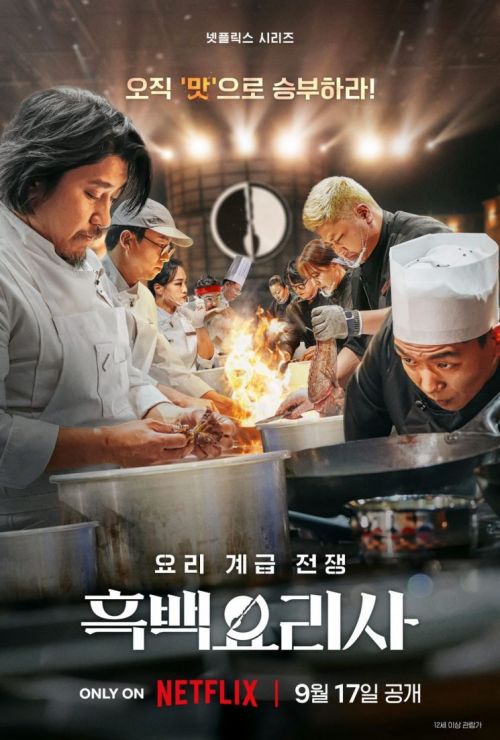
Recently, Netflix's survival program 'Heukbaek Yorisai' (Black and White Chef) has become a hot topic. The dazzling dishes presented by culinary masters from various fields, ranging from cooking YouTubers to Michelin star owner-chefs, captivate viewers' attention. However, these chefs also have untold struggles. The Economist focused on the plight of those awarded Michelin stars, one of the highest honors a chef can receive.
The British weekly magazine The Economist reported on the 24th (local time) in an article titled "The Curse of the Michelin Star" that "12 restaurants were newly listed in this month's New York Michelin Guide, taking their first step toward earning a Michelin star," adding, "While this is certainly a cause for celebration, recent studies suggest that it might be better not to receive a star."
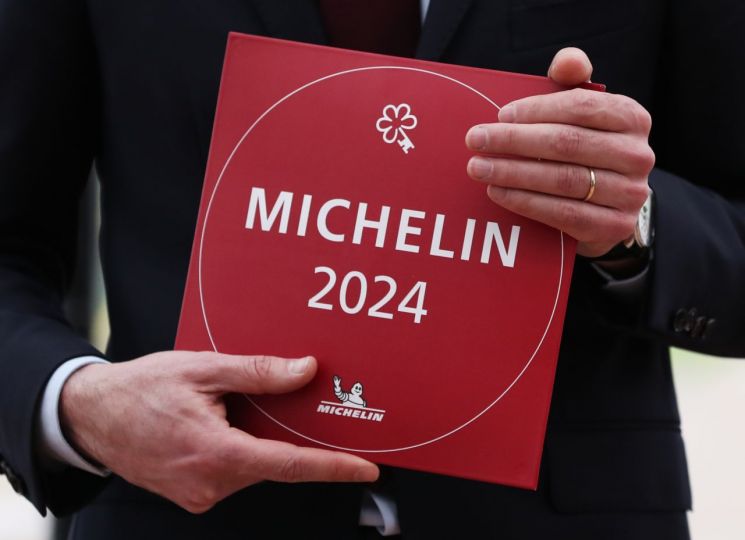
Dr. Daniel Sands of University College London's School of Management tracked New York restaurants rated by the NYT from 2000 to 2014. The results showed that restaurants awarded Michelin stars were more likely to close within a few years than those without stars. This finding held true even after controlling for factors such as restaurant location, food prices, and cuisine type. Notably, from 2005, when the Michelin Guide entered New York, until 2014, 40% of the restaurants awarded Michelin stars had closed by the end of 2019.
Having a Michelin star is undoubtedly a boon for a restaurant. According to Dr. Sands' research, the Google search frequency for Michelin-starred restaurants increased by more than 33%. However, fame comes at a cost. Dr. Sands identified two main reasons why many Michelin-starred restaurants eventually close.
First, the clientele changes. Once a restaurant is listed in the Michelin Guide and gains attention, customer expectations rise, and tourists come from farther away. Meeting these greater demands leads to new costs for the restaurant.
Second, stakeholders target the restaurant. When a restaurant earns a Michelin star, suppliers and landlords often seize the opportunity to raise prices and rents. Additionally, existing chefs at the restaurant expect their salaries to reflect the Michelin star's value, increasing the risk of losing talent to competitors.
Industries where prestigious awards act as a double-edged sword are not limited to the food sector. The Economist explained, "Several studies show that CEOs with awards perform worse than competitors with no credentials or former CEOs," adding, "Star CEOs known in their industries, like Michelin-starred chefs, demand higher salaries, are more easily distracted, and spend more time writing books and attending board meetings than managing." The media also argued that in publishing, award-winning works face harsher evaluations and more stringent scrutiny than runners-up, following a similar logic."
© The Asia Business Daily(www.asiae.co.kr). All rights reserved.
![Clutching a Stolen Dior Bag, Saying "I Hate Being Poor but Real"... The Grotesque Con of a "Human Knockoff" [Slate]](https://cwcontent.asiae.co.kr/asiaresize/183/2026021902243444107_1771435474.jpg)
















