Celltrion announced on the 30th that it presented the results of the global Phase 3 clinical trial of CT-P41, a biosimilar of the osteoporosis treatment Prolia, at the 2024 American Society for Bone and Mineral Research (ASBMR) meeting.
ASBMR is a leading bone disease-related conference attended by over 2,500 experts from more than 50 countries worldwide, covering fields such as bone and musculoskeletal systems. This year’s annual meeting was held over four days from the 27th to the 30th (local time) in Toronto, Canada.
The clinical study presented by Celltrion this time is the 78-week evaluation result of the global Phase 3 clinical trial analyzing the efficacy and safety of CT-P41. The abstract of this study was selected as an outstanding poster by the conference and was presented twice, including during the plenary session on the first day of the event.
Celltrion conducted the global Phase 3 clinical trial of CT-P41 involving 479 postmenopausal women with osteoporosis in four European countries, comparing the efficacy, pharmacodynamics, pharmacokinetics, and immunogenicity including safety between CT-P41 and the original drug. The presented study results showed that the primary efficacy endpoint between the CT-P41 and original drug administration groups met the equivalence criteria, and efficacy and safety were confirmed at week 78 in the patient group that received CT-P41 after 52 weeks of original drug administration.
Celltrion plans to proceed smoothly with the approval processes underway in major global countries and quickly introduce the product to the market. Following the U.S. Food and Drug Administration (FDA) and the Ministry of Food and Drug Safety in Korea last year, Celltrion has completed the marketing authorization application for CT-P41 with the European Medicines Agency (EMA) this year.
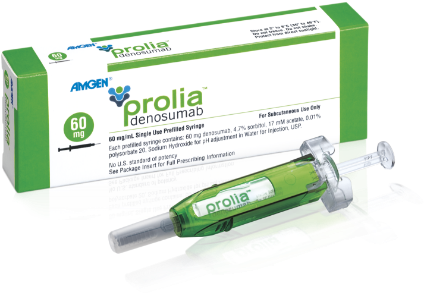
Prolia is approved as an osteoporosis treatment and is also authorized under the brand name Xgeva for preventing and treating bone metastasis complications in cancer patients. Its global sales reached $6.16 billion (approximately 8 trillion KRW) last year. The patents are expected to expire in the U.S. and Europe in February and November next year, respectively.
A Celltrion official said, “It was a meaningful time to confirm the efficacy and safety of CT-P41 compared to the original drug,” adding, “We will proceed smoothly with the approval processes underway in major global countries and accelerate entry into the approximately 8 trillion KRW market.”
© The Asia Business Daily(www.asiae.co.kr). All rights reserved.


















