Decrease in Rice Consumption Among Young People and Population Decline
Meal Locations Shift to Cafes and Others
The number of snack bars, where people could easily have a simple meal in the past, has recently been decreasing.
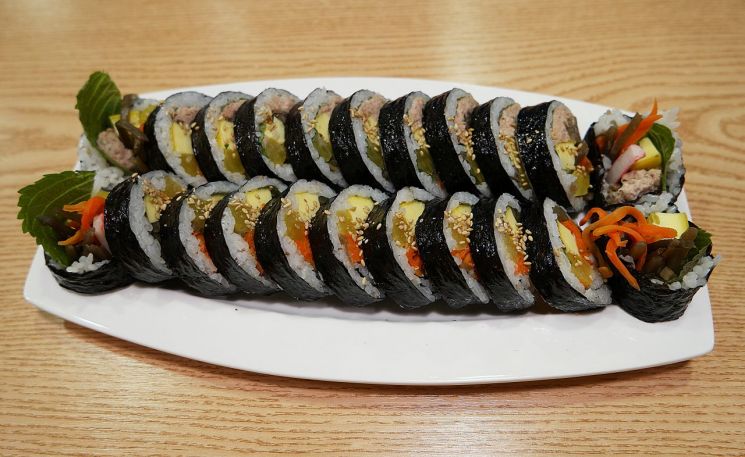
On the 16th, Statistics Korea reported that the number of gimbap restaurants steadily increased from 41,726 in 2016 to 48,822 in 2020, but only rose by 0.2% (76 stores) to 48,898 in 2021, then decreased by 4.6% to 46,639 in 2022. During this period, the total number of restaurants nationwide decreased by only 0.5%. Additionally, the number of franchise stores in the dining-out industry actually increased during this time. In 2022, the number of dining-out franchise stores was 179,923, up 7.4% from the previous year. By sector, the number of franchises for Korean food, bakery/pizza/coffee, and pubs all increased by 5-13% compared to the previous year.
The industry views this as a result of a trend among younger generations to avoid consuming carbohydrates such as rice, along with population decline and an increase in people choosing to have meals at convenience stores or cafes instead of snack bars. This change in eating habits, including carbohydrate avoidance, is also reflected in rice consumption. Per capita rice consumption fell below 60 kg for the first time in 2019 at 59.2 kg. Last year, it was 56.4 kg, the lowest since surveys began in 1962.
Furthermore, in 2022, when the number of gimbap restaurants decreased, the number of convenience stores increased by 7.1% from the previous year to 57,617. The number of coffee shops also rose by 4.5% to 100,729. Taken together, this suggests that places for quick meals have shifted from snack bars in the past to convenience stores and cafes today.
Some have pointed out that the nature of gimbap restaurants, which require a dedicated person to roll the gimbap, leads to higher labor costs, making it more difficult to operate gimbap restaurants.
Meanwhile, in May, the Korean Food Promotion Institute conducted an 'Overseas Korean Food Consumer Survey' targeting 9,000 local residents aged 20-59 in 18 major cities overseas, including Beijing, Ho Chi Minh City, and New York, from August to October 2023. The most desired Korean ready-to-eat meal was bibimbap at 22.8%, ranking first. This was followed by commonly found snack bar dishes such as ▲gimbap (19.1%) ▲kimchi fried rice (13.0%) ▲ramyeon (11.5%).
© The Asia Business Daily(www.asiae.co.kr). All rights reserved.
![Clutching a Stolen Dior Bag, Saying "I Hate Being Poor but Real"... The Grotesque Con of a "Human Knockoff" [Slate]](https://cwcontent.asiae.co.kr/asiaresize/183/2026021902243444107_1771435474.jpg)
















