Allowance also considered a gift... Excluded if recognized by social convention
However, gift tax imposed if deemed for asset formation purposes
With Chuseok approaching, the taxation of holiday allowance has become a hot topic. The key issue is from what amount taxes are imposed. This is because giving a large sum as holiday allowance is practically equivalent to inheritance.
According to tax authorities on the 16th, under the current Inheritance and Gift Tax Act, if property is acquired gratuitously from others without any consideration, there is an obligation to pay gift tax. In other words, allowances are, in principle, considered gifts.
Of course, if it is recognized as socially acceptable, taxes are not imposed. Living expenses for children, education expenses, hospital bills, congratulatory money, and holiday allowances are excluded from taxation.
The tax authorities explained, "The issue is the 'gift property deduction'." The gift property deduction is a system that deducts a certain amount from the value of the gifted property before imposing taxes.
Under current law, when receiving property from direct ascendants, adults are allowed a deduction of up to 50 million KRW, and minors up to 20 million KRW. The period for combining these amounts is 10 years. Therefore, if grandparents give holiday allowance to minor grandchildren, up to 20 million KRW over 10 years is tax-free. If the grandchildren are adults, up to 50 million KRW is allowed during the same period.
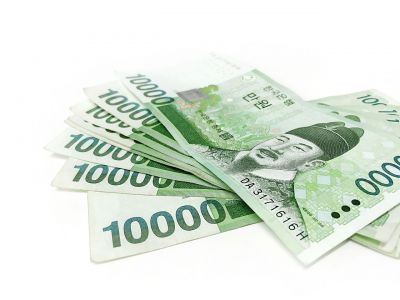
However, the Inheritance and Gift Tax Act limits non-taxable gifted property to amounts "directly spent for the intended purpose." Even if the allowance is received during holidays, if it is judged to have been used for asset formation purposes, gift tax may be imposed.
Moreover, the "generation-skipping additional taxation" must also be considered. Gift tax rates range from 10% to 50% depending on the value of the gifted property, but if grandparents skip their children and give property directly to grandchildren, an additional 30% to 40% tax is imposed on top of the general gift tax. If the property passes through the children to the grandchildren, it is taxed twice, but if it goes directly to the grandchildren, an additional surcharge is applied for skipping the intermediate generation.
If gift tax is not reported and paid later, additional penalties apply. If it is classified as intentional non-reporting, the penalty can increase up to 40%. If taxes are paid late, a "late payment surcharge" is also added.
For this reason, experts recommend opening accounts in the child's name and depositing New Year's money, Chuseok allowance, etc., each time, and accurately recording the purpose. If a large sum accumulated over 10 years is suddenly claimed as allowance, tax authorities may not recognize it.
In fact, there have been many cases where public officials have been in trouble over large sums given to their children. In 2017, former Minister of Employment and Labor Kim Young-joo caused controversy during a confirmation hearing by stating that the source of her child's deposit of about 190 million KRW, despite having no income, was "New Year's money given every holiday."
In the same year, former Prime Minister Lee Nak-yeon also explained that the source of his son's 40 million KRW deposit was "New Year's money and allowances." The following year, former Minister of Environment Cho Myung-rae explained that the 22 million KRW deposit held by his two-year-old grandson was "money collected from relatives and acquaintances as first birthday celebration money and New Year's money."
© The Asia Business Daily(www.asiae.co.kr). All rights reserved.

















