Trade Law Customs Imported Goods Are Not Subject to Tax Exemption
The U.S. government has strengthened duty exemption regulations targeting Chinese e-commerce companies such as Temu and Shein, which flood the domestic market with low-priced products.
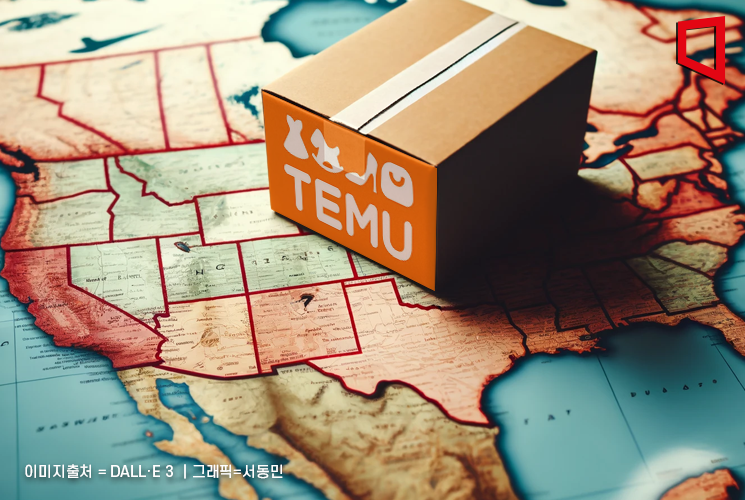
On the 12th (local time), the U.S. government announced a regulatory proposal stating that imported goods subject to tariffs under Section 301 or 201 of the Trade Act, or Section 232 of the Trade Expansion Act, will not be eligible for duty exemption limits.
Currently, the U.S. has a duty exemption limit regulation that does not impose tariffs if the value of products imported by an individual in one day does not exceed a certain amount. In 2016, this limit was raised from $200 to $800, which significantly increased the volume of products imported under the duty exemption limit. In particular, concerns have grown that Chinese companies abuse this regulation to circumvent U.S. tariff barriers on Chinese products, such as tariffs under Section 301 of the Trade Act, leading lawmakers to propose related bills and demand countermeasures from the administration.
At a briefing, LaVetteji Dillon, Deputy Director of the White House National Economic Council, explained concerns about the duty exemption limit, saying, "Foreign companies, mostly e-commerce platforms established in China, are flooding the U.S. market with low-priced products through this loophole."
According to the Biden administration, the number of items imported into the U.S. under the duty exemption limit was about 140 million annually 10 years ago, but last year it exceeded 1 billion. The administration explained that because duty-exempt products are not strictly inspected upon import and the volume has surged so much, it has become difficult to verify whether dangerous or illegal products are included.
This measure applies not only to China but to all countries. When asked at a briefing whether products imported from countries other than China would also be subject to the new regulations, a senior U.S. government official replied, "Regardless of origin, all imports subject to measures based on these regulations (Trade Act Sections 301 and 201, Trade Expansion Act Section 232) cannot be eligible for the duty exemption limit."
The official stated that a significant portion of the increase in duty-exempt imports comes from Chinese shopping platforms Temu and the online fast fashion brand Shein, adding, "We are very concerned that foreign large corporations are exploiting the duty exemption limit loophole at an unprecedented level, and considering the scale and volume, we view this as abuse."
The impact on South Korea is expected to be minimal. First, South Korea is not subject to tariffs under Section 301 of the Trade Act. Korean-made solar cells and modules are subject to safeguards under Section 201 of the Trade Act, and Korean steel is subject to tariffs under Section 232 of the Trade Expansion Act for quantities exceeding quotas. However, these items are not low-priced and are not products typically imported by individuals, so it is assessed that the likelihood of being affected by this measure is low.
© The Asia Business Daily(www.asiae.co.kr). All rights reserved.
![Clutching a Stolen Dior Bag, Saying "I Hate Being Poor but Real"... The Grotesque Con of a "Human Knockoff" [Slate]](https://cwcontent.asiae.co.kr/asiaresize/183/2026021902243444107_1771435474.jpg)















