Seoul Hospitals and Pharmacies Open During Holidays Average 1,800 Daily
69 Emergency Medical Institutions Operating... Including Hospitals for Pediatric Patients
During the Chuseok holiday period, all but two of the 409 emergency rooms nationwide will operate 24 hours a day. On average, 7,931 medical institutions will be open daily during this period, with 27,766 open on the first day of the holiday, the 14th. In particular, Seoul will operate a 24-hour emergency medical system and designate and operate about 12,000 clinics and pharmacies to make it easier for patients with mild symptoms to receive treatment. The number of clinics and pharmacies open in Seoul has nearly doubled compared to the Lunar New Year, with about 1,200 clinics and 1,300 pharmacies.
An emergency medical response system will also be activated. Health centers in 25 autonomous districts will operate 'emergency medical teams' for patients with mild symptoms, and all health centers will provide normal medical services on Chuseok day. Seven municipal hospitals will provide outpatient services from the 16th to the 18th, and five hospitals plan to remain open on Chuseok day. During this period, 5,922 'open clinics' in Seoul will provide medical services. For the convenience of citizens, 6,533 'open pharmacies' nearby will be designated and operated.
Emergency medical institutions and general hospital emergency rooms in Seoul will operate 24 hours as usual during the Chuseok holiday. A total of 69 emergency medical institutions will be in operation, including 31 regional and local emergency medical centers such as Seoul National University Hospital, 18 local emergency medical institutions such as Seoul Metropolitan Seonam Hospital, and 20 hospitals operating emergency rooms.
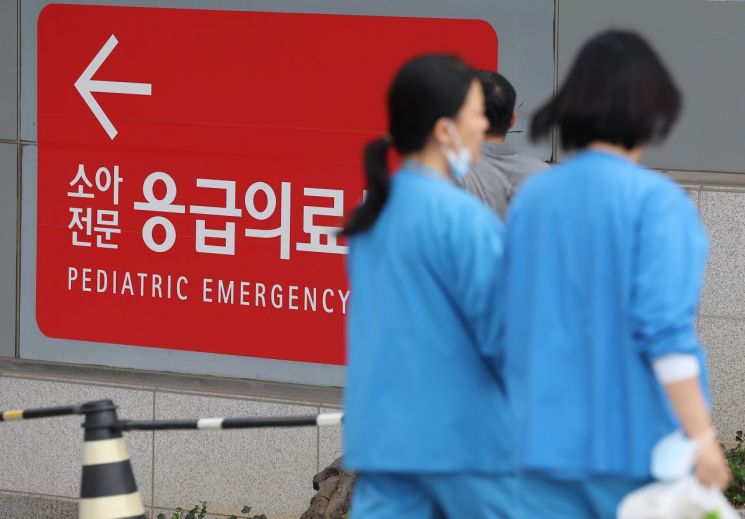
Measures have also been prepared for situations where pediatric patients cannot access emergency rooms. Seoul will operate eight 'Our Child Safety Hospitals' (for semi-emergency patients) and three 'Our Child Specialized Emergency Centers' (for severe emergency patients) 24 hours a day. Additionally, 13 'Moonlight Children's Hospitals' for outpatient treatment of pediatric patients with mild symptoms have been prepared.
An emergency support fund of 7.1 billion KRW will be invested to strengthen emergency medical response capacity. This is to support emergency room dedicated doctors' allowances, surgery and intensive care unit operations for patients linked from emergency rooms, and to reinforce backup medical care. 1.12 billion KRW and 2.88 billion KRW will be allocated to seven regional emergency medical centers and 24 local emergency medical centers, respectively. 3.1 billion KRW will be invested for backup medical care operating expenses.
Benefits for clinics and pharmacies that remain open have also been promised. Seoul plans to secure as many medical institutions as possible during the Chuseok holiday from the 16th to the 18th to disperse patients with mild symptoms and prevent emergency room overload, and will provide post-support to these institutions. The support criteria are 300,000 KRW for 4 hours and 500,000 KRW for 8 hours for clinics. An additional 500,000 KRW will be paid if they operate until 10 p.m. For pharmacies, 200,000 KRW for 4 hours and 300,000 KRW for 8 hours will be provided, with an additional 200,000 KRW if they operate until 10 p.m. The support condition is operation for at least 4 hours per day and confirmed participation on the relevant day.
Clinics and pharmacies open during the holiday period can be checked through the 'Seoul City 2024 Chuseok Holiday Comprehensive Information' and 'Emergency Medical Portal' websites. They can also be confirmed by calling 120 (Dasan Call Center) or 119 (Emergency Situation Management Center).
© The Asia Business Daily(www.asiae.co.kr). All rights reserved.

















