Emergency Room Doctors Decreased by 41% This Chuseok
Health Management Important... Beware of Heat-Related Illnesses and Food Poisoning
High-Calorie Foods May Lead to Sudden Weight Gain
If Wrist Hurts from Housework... Warm Compress and Stretching Are Effective
The government is operating a 24-hour emergency medical system during the Chuseok holiday period, but the number of emergency room doctors on duty has decreased by 41% compared to last year. This is due to the prolonged conflict between the medical community and the government, raising concerns that even if an emergency occurs during Chuseok, patients may suffer harm while being sent from one emergency room to another. Here are some precautions to avoid having to visit the emergency room during Chuseok.
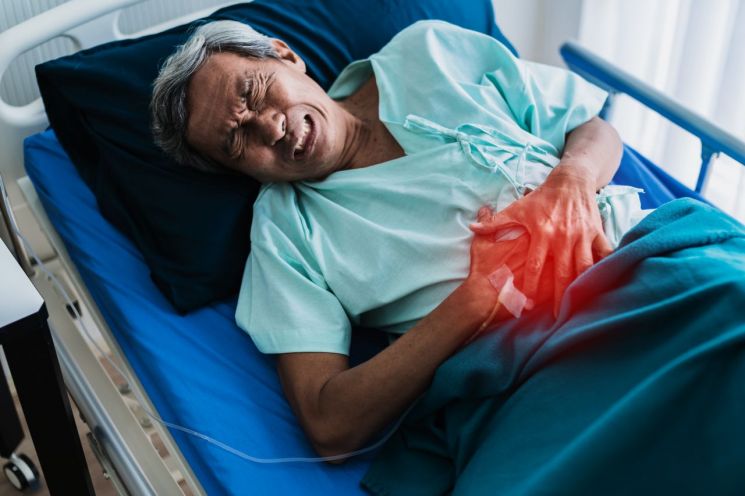
As activities increase during the Chuseok holiday, the likelihood of emergencies also rises. Especially since most regions are expected to record maximum temperatures around 30 degrees Celsius, heat-related illnesses should be carefully monitored. Although heat-related illnesses usually decrease after September, according to the Korea Disease Control and Prevention Agency’s heat illness emergency room surveillance system, the number of heat illness cases reported up to the 11th of this month is 211, more than double the 100 cases reported during the same period last year.
To prevent heat-related illnesses, it is best to avoid outdoor activities during the hottest hours between 3 and 4 p.m. In fact, about 10% of this year’s heat illness cases occurred during this time. Heat illnesses also frequently occur indoors, so maintaining an appropriate temperature is important. Preventive measures include drinking fluids frequently, staying cool, and refraining from activities during the hottest times of the day.
Food poisoning in autumn should also be watched for, as the large temperature difference between day and night makes it easier for food poisoning bacteria to multiply. Food poisoning symptoms include nausea, vomiting, abdominal pain, diarrhea, and fever after consuming contaminated food. Preventive measures include ▲cooking all food thoroughly and boiling water before drinking ▲not leaving cooked food at room temperature ▲packing cooked foods separately in different bags before placing them in containers to avoid mixing ▲using separate knives and cutting boards for meat and seafood to prevent cross-contamination.

Since Chuseok foods are often high in calories, indigestion should also be considered. Greasy, spicy, or carbonated foods, as well as flour-based foods, can easily lead to indigestion.
Overeating can cause sudden weight gain. The recommended daily calorie intake for adults is 2,500 kcal for men and 2,000 kcal for women, but it is easy to exceed this amount quickly when eating foods like rice cake soup (tteokguk), jeon (Korean pancakes), and sikhye (sweet rice drink).
According to the Food and Drug Safety Ministry’s food nutrition database, one bowl (700g) of tteokguk contains 588 kcal, and tteokmandu soup (700g) contains 625 kcal. Other holiday foods are also high in calories. Five pieces (200g) of grilled short rib patties (tteokgalbi) contain 403 kcal, japchae (stir-fried glass noodles) contains 291 kcal per 200g, and beef skewers (sogogi sanjeok) contain 453 kcal per 200g. Among jeon and fried foods (based on 150g), perilla leaf jeon contains the highest calories at 361 kcal. Beef meatball jeon (4 pieces, 200g) contains 323 kcal, donggeurangttaeng (minced meat patties) contains 309 kcal, and pollack jeon contains 268 kcal. Sikhye contains 96 kcal per 200 ml.
It is advisable to have digestive medicine on hand in case indigestion occurs due to overeating. Digestive medicines include ▲digestive enzyme preparations (such as pancreatin and diastase) that help break down food for easier digestion ▲and gas relief agents (such as simethicone) that alleviate abdominal bloating.
During Chuseok, since food preparation and household chores increase compared to usual, wrist health should also be carefully managed. Carpal tunnel syndrome is a condition caused by repetitive wrist use, where thickened wrist ligaments compress nerves, causing numbness and pain in the hands. If your wrist feels stiff, applying a warm compress for about 15 minutes can help relieve pain. Regular wrist stretching and wearing a wrist brace while working are also effective methods.
© The Asia Business Daily(www.asiae.co.kr). All rights reserved.
![Clutching a Stolen Dior Bag, Saying "I Hate Being Poor but Real"... The Grotesque Con of a "Human Knockoff" [Slate]](https://cwcontent.asiae.co.kr/asiaresize/183/2026021902243444107_1771435474.jpg)
















