Choi Hogwon, Yeongdeungpo District Mayor, Embeds Residents' Voices into Budget through '100km Communication Tour'
Oh Eunseok, Dobong District Mayor, Tours 14 Neighborhoods in September-October, Direct Communication by Mayor
Park Junhee, Gwanak District Mayor, Operates 'Mobile Gwanakcheong(聽)' Listening to On-site Voices, Tours 21 Neighborhoods
The heatwave has passed, and a fairly cool breeze blows in the mornings and evenings. It seems nature cannot help but yield to the truth of the seasons.
We are entering the autumn season, known as the time of abundant harvest. Each autonomous district in Seoul is holding events with residents one after another, strengthening communication.
Meanwhile, Choi Ho-kwon, Mayor of Yeongdeungpo District, Oh Eon-seok, Mayor of Dobong District, and Park Jun-hee, Mayor of Gwanak District, have started visiting neighborhoods and holding meetings with residents to listen to voices from the field.
These district mayors show passion for reflecting the voices from the field in the budget planning for next year.
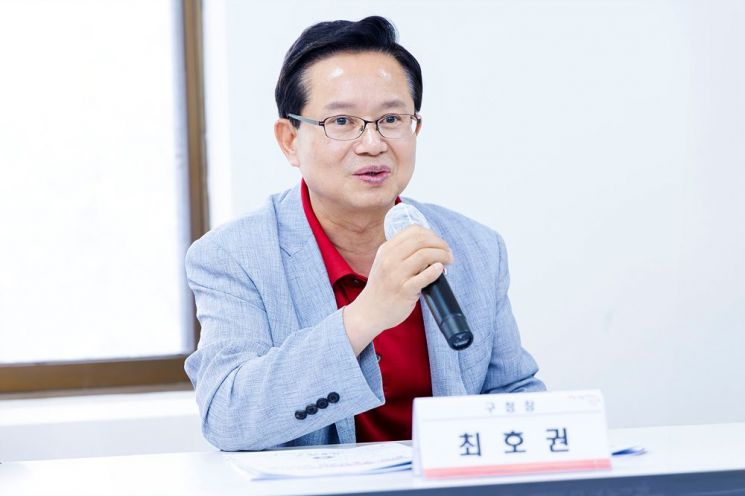
Choi Ho-kwon, Mayor of Yeongdeungpo District, Begins Grand Tour of 18 Neighborhoods Starting August 29 from Dangsan 2-dong
Communication Journey Begins to Reflect Residents’ Opinions in 2025 Budget Planning
"To complement the weaknesses of representative democracy, I will diligently visit the field, listen to residents’ voices, and reflect the results in the budget and projects to become a district mayor who serves the will of the residents."
Following this administrative philosophy, Mayor Choi Ho-kwon of Yeongdeungpo District embarks on a special communication journey to incorporate residents’ voices into next year’s project budget.
From late August to early October, Yeongdeungpo District will hold ‘Visiting Neighborhood Communication Meetings,’ visiting 18 neighborhoods and 54 facilities over about a month and a half. Mayor Choi plans to tour a total of 100 km, walking more than 5.5 km per day over 18 days.
This communication meeting departs from the previous method of visiting multiple neighborhoods in a day, instead visiting only one neighborhood per day to enhance meeting efficiency through close communication and to narrow the distance with residents. In the morning, a meeting is held in the neighborhood community center’s conference room on local issues directly selected by residents. In the afternoon, the mayor visits three major facilities in each neighborhood, such as cultural, sports, welfare facilities, and churches. The schedule, starting at 10:30 a.m., ends after 4 p.m. This rigorous schedule reflects Mayor Choi Ho-kwon’s firm determination that “the first step toward true resident autonomy is field administration and boots-on-the-ground efforts.”
Starting from Dangsan 2-dong on the 29th of last month, communication meetings have been held so far in Dangsan 1-dong and Yeongdeungpo Bon-dong. In Dangsan 2-dong, opinions such as ▲creating safe school routes ▲building a parking lot at Saemal Small Park ▲creating pedestrian-friendly roads around Dangsan Station were raised, and in Dangsan 1-dong, various opinions on local issues and long-standing projects such as ▲disinfection of senior centers ▲undergrounding of electric and communication poles were presented.
During the morning meeting in Yeongdeungpo Bon-dong, a proposal was made to install additional CCTV on the school route to Yeongwon Middle School. Mayor Choi Ho-kwon immediately went to the site to accurately understand the problem and actively began devising countermeasures while inspecting the area around the school. A resident who made the suggestion said, “I didn’t expect the mayor to check the site so quickly. I feel sincerity in the mayor’s words about reflecting residents’ opinions in policy,” expressing gratitude.
Moreover, this neighborhood communication meeting is significant in that the mayor personally visited cultural, sports, welfare facilities, and churches, encouraging participation from residents who usually find it difficult to voice their opinions in district administration. Residents who met the mayor directly had time to freely suggest questions or wishes while listening to explanations about district administration.
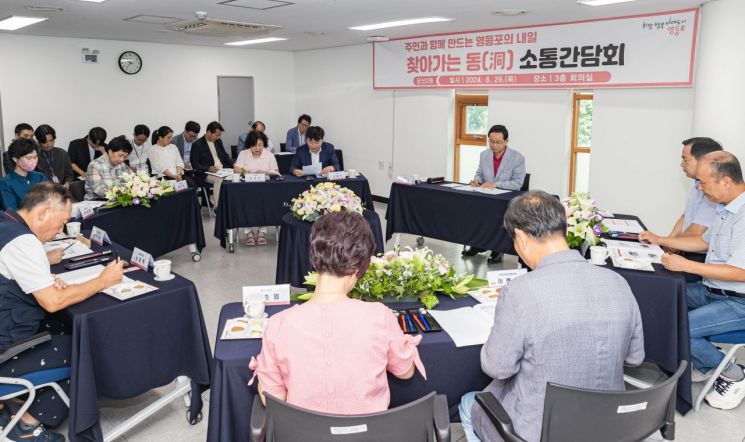
Mayor Choi said, “Communication administration can significantly complement the shortcomings and side effects of representative democracy. In ancient Greek city-states, all citizens expressed opinions and participated in politics. While this may seem impossible in modern democracy, it is possible in local governments. This means listening to residents’ voices on the ground and reflecting them in policies. Such communication and policy reflection efforts are the true essence of democracy and genuine local autonomy.”
The opinions exchanged with residents will be carefully reviewed by each department of the district office for policy necessity and feasibility and will be reflected first in next year’s budget planning.
Last year, Mayor Choi visited all 170 senior centers in the area through the ‘Warm Journey with Seniors’ project and met with seniors. Also, from May to July this year, he visited all 44 schools in the area, held communication meetings with parents, and conducted a youth policy empathy talk show meeting with about 300 young people to prepare youth policies.
Mayor Choi Ho-kwon of Yeongdeungpo District said, “The power to change Yeongdeungpo’s future lies in the voices of the residents. I will listen carefully even to the smallest voices of residents and do my best to make Yeongdeungpo a district where residents are the owners by using these voices as a stepping stone for district development.”
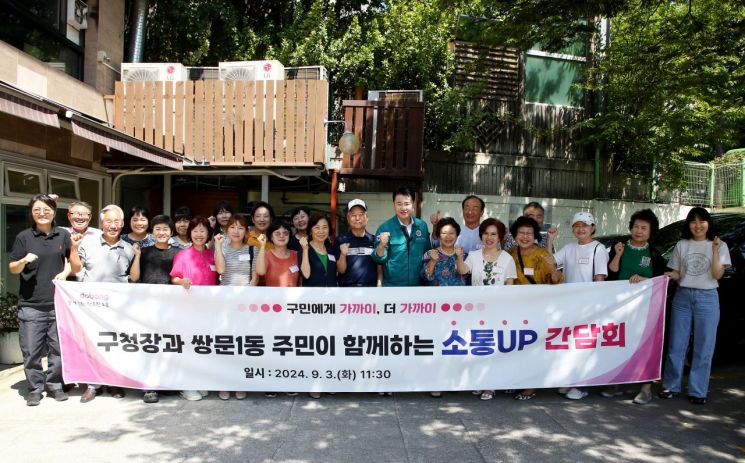
Oh Eon-seok, Mayor of Dobong District, to Hold Resident Meetings in 14 Neighborhoods from September to October
Collecting Residents’ Opinions, Ideas, and Suggestions to Actively Reflect in District Administration
Oh Eon-seok, Mayor of Dobong District, will engage in on-site communication with residents for about two months from September to October.
This is to discover administrative demands necessary for residents’ lives through direct communication and to enhance the policy completeness of major projects in the 8th elected term.
The mayor himself will lead this on-site communication, starting with Ssangmun 1-dong on September 3, and will sequentially tour 14 neighborhoods.
Previously, the district promoted various resident communication projects such as ‘With the Mayor! Into the Field!’, ‘Moonlight Night Walk with Residents’, and ‘Dialogue with Neighborhood Leaders’ to implement resident empathy administration and reflect residents’ opinions, ideas, and suggestions in district policies.
As a result, 113 cases of resident inconveniences, from garbage complaints in front of homes to long-standing resident projects, were addressed. These include the ‘Ui Stream Embankment Maintenance Project,’ ‘Road Construction around Jaeunjeongsa in Banghak 3-dong,’ and ‘Right-turn Road Expansion at Lucky Apartment in Dobong 1-dong.’
The ‘Ui Stream Embankment Maintenance Project’ significantly improved traffic and passage inconveniences, actively reflecting residents’ opinions from the start of construction to completion.
This time as well, the district plans to collect residents’ opinions ranging from small daily complaints to long-standing inconveniences. Issues that can be resolved on-site will be answered and handled immediately, and those requiring review will be forwarded to the relevant departments, with results communicated back to residents.
Mayor Oh Eon-seok of Dobong District said, “I have led the district with the philosophy that the answer lies in the field. This time, too, I will listen carefully to the residents’ words from the field and actively reflect them in district administration.”
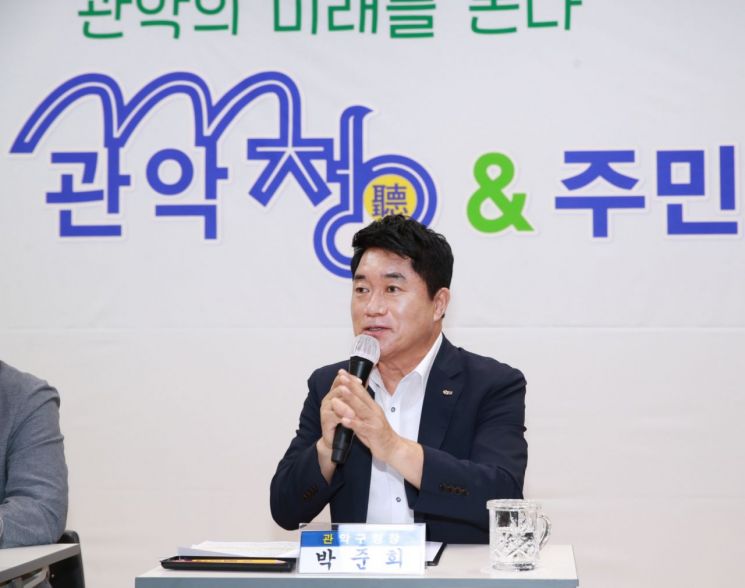
Park Jun-hee, Mayor of Gwanak District, Operates ‘Mobile Gwanakcheong(聽)’ to Listen to Voices from the Field
Touring 21 Neighborhoods... Direct Communication and Complaint Resolution with the Mayor
Park Jun-hee, Mayor of Gwanak District, is accelerating the ‘Iecheongdeuksim (以聽得心)’ communication administration, which involves visiting the field directly to listen closely to residents’ opinions.
Since Mayor Park’s first inauguration in the 7th elected term, the district has implemented ‘Gwanakcheong(聽)’ as the first pledge project, practicing ‘communication and cooperation,’ the core values of district administration.
Gwanakcheong(聽) is a communication forum held every Thursday at the district office, where various voices from residents aiming to make Gwanak a better place to live pour out. The district carefully reviews complaints and policies proposed through Gwanakcheong and actively reflects residents’ opinions in administration.
Additionally, to accommodate residents who find it difficult to visit the district office directly, the district started operating ‘Mobile Gwanakcheong(聽)’ from August 26, beginning with Boramae-dong.
Mayor Park plans to visit 21 neighborhoods directly by September 23 to listen attentively to voices from the field. Mobile Gwanakcheong includes ▲sharing major district administration updates ▲awarding model exemplary residents ▲dialogue with residents, providing time for communication.
Residents participating in Mobile Gwanakcheong(聽) expressed enthusiastic responses, saying, “I am grateful to meet and talk directly with the mayor in my neighborhood, and it feels refreshing.”
The district immediately answers and resolves issues that can be addressed on-site through Mobile Gwanakcheong(聽), alleviating residents’ concerns. Issues requiring review are promptly checked by departments and results are communicated to residents.
Meanwhile, last year, the district toured all 21 neighborhoods under the spirit of ‘Wumunhyeondap (Our problems have answers in the field),’ handling 250 closely related daily life suggestions from residents.
In particular, ‘Online Gwanakcheong,’ which allows anyone to participate freely without time and space constraints, was selected as an OECD public sector innovation case in 2022.
Park Jun-hee, Mayor of Gwanak District, said, “I came to listen to residents’ ‘real stories’ and vivid voices. With the attitude of Iecheongdeuksim (gaining hearts by listening), I will build trust in administration and seek district operation plans that residents can feel and empathize with.”
© The Asia Business Daily(www.asiae.co.kr). All rights reserved.
![Clutching a Stolen Dior Bag, Saying "I Hate Being Poor but Real"... The Grotesque Con of a "Human Knockoff" [Slate]](https://cwcontent.asiae.co.kr/asiaresize/183/2026021902243444107_1771435474.jpg)

















