New York crude oil prices continued their decline, dropping more than 3%. The expectation that oil supply will increase mainly due to the Organization of the Petroleum Exporting Countries (OPEC) from October exerted strong downward pressure on oil prices.
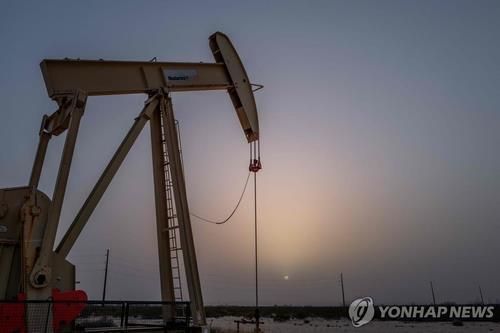
On the 30th (local time) at the New York Mercantile Exchange, the near-month October delivery West Texas Intermediate (WTI) crude oil closed at $73.55, down $2.36 (3.11%) from the previous trading day. The global benchmark Brent crude oil for October delivery closed at $78.80, down $1.14 (1.43%) from the previous session.
With this decline, WTI prices have fallen 5.60% this month, marking the largest monthly drop since May. The bearish trend continued for the second consecutive month. WTI prices have fallen in four out of the last five months. The weekly decline was 1.71%, marking three consecutive weeks of weakness.
The downward pressure on oil prices today was driven by concerns over increased supply. OPEC+?comprising OPEC and allied countries?is scheduled to increase production as planned starting in October. Phil Flynn, an analyst at Price Futures Group, said, "The headline that OPEC+ is talking about reducing oil production cuts was really the tough news for us today."
On the other hand, the July U.S. Personal Consumption Expenditures (PCE) data released today showed strong consumer spending, which also fueled selling sentiment. If U.S. consumption remains robust, the Federal Reserve (Fed) will be reluctant to implement a 50 basis point rate cut (big cut). Investors who expected a large rate cut to boost oil consumption were disappointed by the July PCE results. Flynn said, "Moderate inflation can reinforce the Fed’s decision to cut the benchmark rate by only 25 basis points. Those hoping for a 50 basis point cut will have to wait."
The prolonged internal conflict in Libya remains a bullish factor for oil prices. Libya recently announced that about 63% of its total oil production was lost due to oil field closures, and conflicts between competing forces in the east and west continue. According to Libya’s National Oil Corporation (NOC), part of OPEC, Libya’s oil production decreased by 1.5 million barrels over the past three days.
Oil consulting firm Rapidan Energy estimates that Libya’s production decline ranges from 900,000 to 1 million barrels per day and expects these disruptions to continue for the coming weeks. Libya announced this week that it would halt oil production due to internal conflicts. The government in Benghazi, eastern Libya, declared the closure of all oil fields and the suspension of production and exports until further notice.
© The Asia Business Daily(www.asiae.co.kr). All rights reserved.
![Clutching a Stolen Dior Bag, Saying "I Hate Being Poor but Real"... The Grotesque Con of a "Human Knockoff" [Slate]](https://cwcontent.asiae.co.kr/asiaresize/183/2026021902243444107_1771435474.jpg)















