From 1,047 in 2014 to 5,699 in 2023... 5.4 Times Increase Over 10 Years
Payments Also Surge 9 Times... From 2.28 Billion KRW to 21.2 Billion KRW
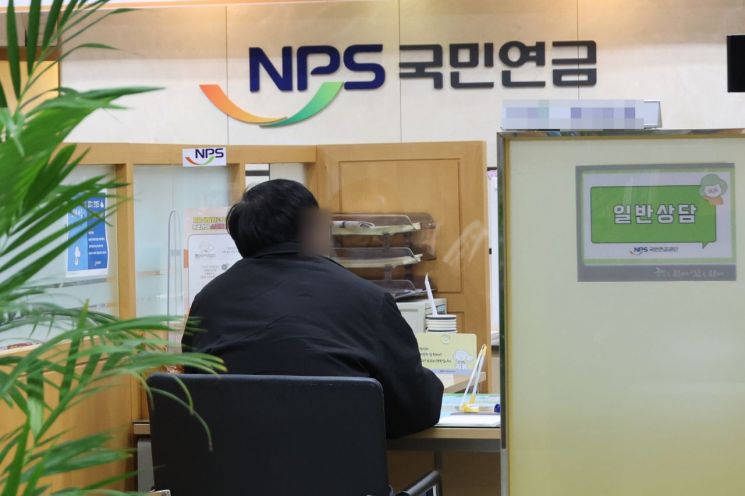 The number of elderly people with multiple nationalities receiving basic pensions has increased fivefold in the past 10 years.
 Photo by Yonhap News
The number of elderly people with dual nationality receiving the basic pension has increased fivefold over the past 10 years. The amount paid to them also surged ninefold, from 2.28 billion KRW to 21.2 billion KRW.
According to the Ministry of Health and Welfare on the 26th, as the elderly population rapidly increases due to low birth rates and aging, the total number of basic pension recipients has risen, leading to a yearly increase in dual nationality basic pension recipients as well. The number of dual nationality recipients was only 1,047 when the basic pension system was introduced in 2014, but it rose to 2,338 in 2018, 3,608 in 2021, 4,626 in 2022, and 5,699 last year. The number of elderly dual nationality basic pension recipients increased 5.4 times over the past decade. The proportion of dual nationality recipients among all basic pension recipients also steadily increased, from 0.02% in 2014 to 0.09% last year.
As the number of dual nationality basic pension recipients increased, the amount paid to them also rose annually, from 2.28 billion KRW in 2014 to 6.37 billion KRW in 2018, 11.8 billion KRW in 2021, 16.3 billion KRW in 2022, and 21.2 billion KRW last year. Compared to 2014, the amount of basic pension paid to dual nationality recipients last year surged 9.3 times. The share of the basic pension amount paid to them in the total pension amount also increased almost every year, reaching about 0.1% of the total payments last year.
These elderly dual nationality holders have lived abroad for long periods and have contributed little to domestic tax revenue. Nevertheless, they can receive the basic pension on the same terms as ordinary citizens, raising fairness concerns. It is also difficult for the Korean government to identify overseas assets and income such as foreign real estate or pensions, making it easier for dual nationality holders to receive the basic pension compared to single nationality elderly residents. This is because the income recognized for pension eligibility, which converts assets like real estate into income and sums various incomes, tends to be lower. In fact, as of 2023, the average recognized income per dual nationality individual was 344,000 KRW per month, only 58.7% of that of single nationality individuals (587,000 KRW per month).
© The Asia Business Daily(www.asiae.co.kr). All rights reserved.

















