Maximum 10 Years by Levy
Reassessment of Feasibility Upon Expiration
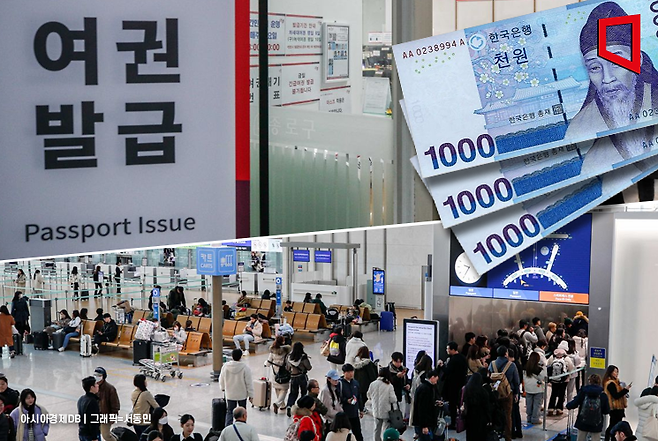
The government will set the duration of surcharges, often called hidden taxes, to within 10 years and introduce a prior evaluation system through external agencies when establishing new surcharges.
On the 21st, the government announced the "Plan to Strengthen the Surcharge Management System" at the Economic Ministers' Meeting chaired by Choi Sang-mok, Deputy Prime Minister for Economy and Minister of Strategy and Finance.
First, it will mandate setting the duration of all surcharges without exception to within 10 years. Depending on importance and necessity, the duration will be set within a maximum of 10 years to prevent habitual retention of surcharges, and when the duration expires, the validity of maintaining the surcharge will be re-evaluated.
The current Basic Act on Surcharge Management mandates setting a duration when establishing or expanding the scope of surcharges, but broadly allows exceptions, resulting in only six surcharges having set durations.
The necessity of new surcharges will also be evaluated more strictly. A prior evaluation system by objective and neutral research institutions will be introduced to rigorously review the necessity of new surcharges. During the prior evaluation, the necessity of establishing the surcharge, appropriateness of the levy level, expected effects, and potential issues will be examined.
A Dispute Mediation Committee will also be established to respond to surcharge disputes. The establishment of the committee aims to encourage prompt relief of rights before lengthy administrative lawsuits and administrative appeals, which typically take an average of 231 to 299 days.
The committee will consist of 10 members, including senior officials from the Ministry of Strategy and Finance and related ministries, as well as private members. If rights or interests are infringed due to unlawful or unfair surcharge imposition, a dispute mediation request can be filed. The committee's mediation decision has the same effect as a judicial settlement.
The government plans to prepare a revision bill of the Basic Act on Surcharge Management reflecting these measures, proceed with legislative notice, review by the Office for Government Policy Coordination, submission to the Cabinet meeting, and submit it to the National Assembly by October.
In March, the government introduced the "Plan for Surcharge Reorganization and Strengthening the Management System," which comprehensively reorganized 91 surcharges, restructuring a total of 36 surcharges worth about 2 trillion won annually by reducing 14 surcharges and abolishing 18 surcharges, including four surcharges abolished in January.
Reductions in 12 surcharges, such as the Electricity Fund Surcharge and Departure Payment, have been implemented since the 1st of last month following amendments to individual enforcement decrees. For the abolition of 18 surcharges, including the School Site Surcharge and Movie Theater Admission Fee, 21 bills for abolition and amendment have been submitted to the National Assembly.
© The Asia Business Daily(www.asiae.co.kr). All rights reserved.
![Clutching a Stolen Dior Bag, Saying "I Hate Being Poor but Real"... The Grotesque Con of a "Human Knockoff" [Slate]](https://cwcontent.asiae.co.kr/asiaresize/183/2026021902243444107_1771435474.jpg)
















