Koo Young-bae's 'KCCW' Plan Draws Only Seller Backlash
Koo Says Each Company Should Prioritize Self-Help Measures
Critics Say It Emphasizes 'Efforts to Restore Damage'
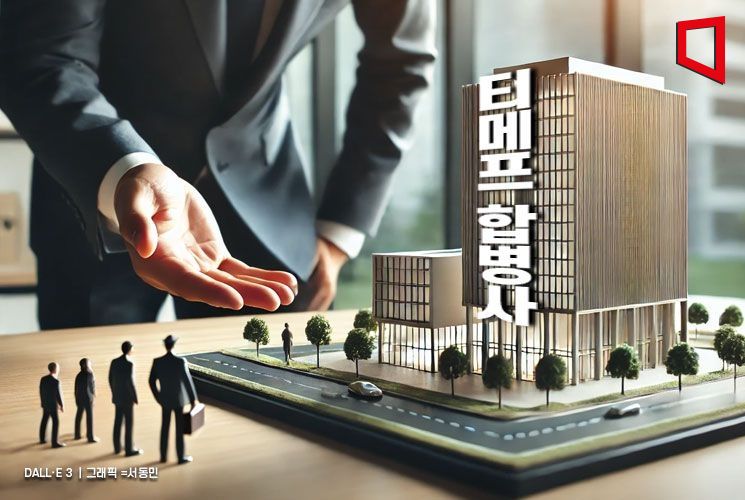
As negotiations between TMON·WEMAKEPRICE (Timep) and creditors face difficulties, attention is focusing on the intentions of Koo Young-bae, CEO of Qoo10, who is responsible for the recent large-scale unsettled payment crisis. This is because after proposing the Timep merger and a plan to convert unsettled payments into CBs (convertible bonds), which is obviously opposed by the affected sellers, he has distanced himself from each company's self-rescue plans. There are also claims that the Timep merger plan was brought up as a means to emphasize efforts to restore damages, considering future legal proceedings in a situation where resolving the problem is not easy.
On the 15th, Koo Young-bae, CEO of Qoo10, told Asia Economy, "In a situation where creditors are not responsive, the self-rescue measures promoted by each company should take priority, and KCCW should act as a backup." Koo has repeatedly mentioned establishing KCCW (K-Commerce Center for World) as a platform for the Timep merger and persuading creditors. He also said, "We are conducting a project to concretize the details so that the merger into KCCW can be the best solution for creditors and sellers." However, as creditors continued to oppose, he stepped back, saying that each company's self-rescue plan should come first. The Timep Victims Sellers Emergency Response Committee strongly criticized the new KCCW corporation as "a highly unrealistic, evasive plan to cover up numerous suspicions."
If Koo's plan fails as it stands, it appears that although he actively prepared a damage recovery plan, it was not realized because sellers did not accept it. However, looking closer, the backlash from affected sellers against Koo's plan was anticipated. It is difficult to persuade sellers, who are in urgent need of cash and facing bankruptcy, to accept KCCW shares instead of unsettled payments, and there is no concrete plan for business normalization or capital attraction.
Regardless of whether the affected sellers accept it, there is a reason to suggest that Koo needed grounds to claim that he made efforts to restore damages. Lawyer Shim Joon-seop of Shim Law Firm said, "Koo Young-bae's plan raises doubts about its effectiveness because it does not mention specific investors, etc. If the investigation results recognize Koo's fraud charges, it could be argued as a mitigating factor in sentencing that he made efforts to restore damages even after, such as through the public platform plan." This suggests that he may have shown active efforts to restore damages with the trial process in mind.
There is also a view that excluding Timep from legal support targets is a strategy by Koo considering the trial. Qoo10 reportedly excluded Timep executives and employees from group-level legal support while announcing attorney support for this incident. This has been interpreted as preparing legal responses based on the management failures of each company by coordinating with Qoo10 insiders who hold key information, considering not only the prosecution investigation but also the trial process. An industry insider said, "Some see Koo's announcement of the Timep merger plan as a method for damage compensation and selective legal support only for insiders as a legal strategy in anticipation of a prosecution summons."
© The Asia Business Daily(www.asiae.co.kr). All rights reserved.
![Clutching a Stolen Dior Bag, Saying "I Hate Being Poor but Real"... The Grotesque Con of a "Human Knockoff" [Slate]](https://cwcontent.asiae.co.kr/asiaresize/183/2026021902243444107_1771435474.jpg)















