Startup or Big Tech, Small Model Development Boom
Focus on Cost-Effectiveness Amid AI Bubble Concerns
Risk Management Following US AI Regulation Bill Proposal
Possible Enactment of AI Large Model Regulation Law This Month
Recently, the artificial intelligence (AI) industry has been focusing on developing affordable small language models (SLMs). This strategy emphasizes cost-effectiveness amid rising concerns about an AI bubble due to expensive development costs relative to profitability since the second quarter of this year. Additionally, some analysts suggest this approach is a risk management measure in response to the wave of strong AI regulatory bills being proposed across various U.S. states.
AI Industry Continues Developing and Launching Small Models

According to Bloomberg on the 8th (local time), U.S.-based AI startup SakanaAI launched a versatile small model called ‘SmolLM’ last month, designed for easy use on personal smartphones and computers. Another company, ArsiAI, is building an AI chatbot service that handles only tax-related inquiries. Mark McQuaid, co-founder of ArsiAI, explained the purpose of developing small models by saying, “99% of business use cases probably don’t need to know who won the gold medal at the 1968 Olympics,” providing an example.
Bloomberg described this trend of developing small models within the industry as “reconsidering the industry convention that initial AI investment costs must be high.” Since the launch of OpenAI’s ChatGPT last year, big tech companies have poured money into developing more powerful language models, and startups have also jumped on the large model development trend, backed by venture capital (VC) funding worth billions of dollars.
‘Money Pit’ AI Bubble Concerns Rise... Small Models Gain Spotlight

However, recently, diagnoses that AI investments are excessive relative to demand have begun to spread, especially among major investment banks (IBs) like Goldman Sachs. This concern became reality as confirmed during the big tech second-quarter earnings season. The Nasdaq index’s sharp decline of 2-3% over three consecutive days from the 1st to the 3rd is also seen as reflecting market worries about an AI bubble.
Even major large language model developers have recently shown interest in small models. OpenAI unveiled a mini version of its GPT-4o model last month. Prior to this, big tech companies such as Alphabet, Meta Platforms, and Microsoft (MS) also released small models focused on efficiency.
Since small models have fewer parameters compared to large models, their construction and operational costs are much lower. Consequently, the purchase costs for corporate clients wanting to adopt AI models also decrease, which could intensify the AI wave.
U.S. AI Regulatory Laws... Small Models Ideal for Risk Management
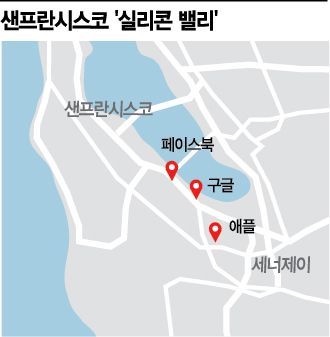
There is also analysis that small models may serve as a transitional role because the development of large models is becoming a risk due to AI regulatory bills being proposed one after another in U.S. state legislatures. According to the Wall Street Journal (WSJ), the California State Assembly plans to vote on the ‘Safety and Security Innovation Act for Advanced AI Systems’ (bill number SB 1047) later this month.
SB 1047’s core provision is to prevent developers of large models with training costs exceeding $100 million from creating AI with lethal capabilities. Since the bill passed the Senate with bipartisan support in May, it is likely to be enacted smoothly. California is home to Silicon Valley, known as a big tech hub. The problem is that this bill applies to all companies operating in California, putting the AI industry on high alert.
Therefore, the industry expects small models to play a significant role in reducing risks associated with AI regulatory laws. According to the Transparency Alliance, about 400 AI-related bills are currently pending in state legislatures across the U.S. Colorado and Utah have succeeded in becoming the first states to enact AI regulatory laws.
© The Asia Business Daily(www.asiae.co.kr). All rights reserved.



















