Mr. A, a 72-year-old individual, was recently diagnosed with impaired kidney function after a health checkup revealed increased levels of creatinine and blood urea nitrogen, decreased glomerular filtration rate, and the presence of proteinuria and hematuria.
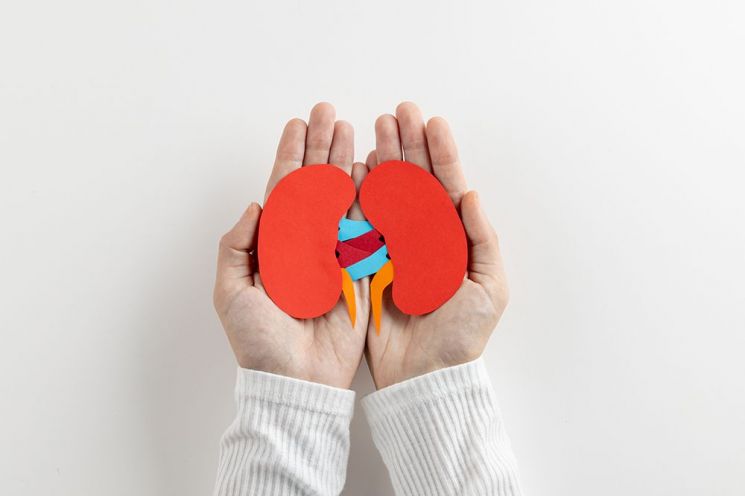
Mr. A, who had been suffering from hypertension and diabetes, believed these conditions were natural with aging and did not pay much attention to blood pressure control or diabetes management. Recently, he experienced fatigue, swelling, and decreased urine output, but still attributed these symptoms to aging.
As people age, kidney function can naturally decline due to aging. However, as in Mr. A's case, if underlying conditions are not properly managed or kidney function is not monitored, it can lead to chronic kidney disease, which requires caution.
According to the 2022 prevalence data of chronic kidney disease from the Health Insurance Review and Assessment Service, the rates were 1.3% in people in their 20s, 4.0% in their 30s, 3.7% in their 40s, 8.1% in their 50s, 9.8% in their 60s, and 21.6% in those aged 70 and above, confirming that it is relatively more common in older adults.
In addition, the number of patients in 2022 was 296,397, a 116.4% increase from 137,003 in 2012, and medical expenses reached 2.3 trillion won, increasing by more than 1 trillion won over the past decade.
As the body’s functions gradually decline with age, kidney function also decreases due to aging. In this state, if chronic diseases such as diabetes, hypertension, or cardiovascular diseases are not properly managed, it can lead to kidney disease, so caution is necessary.
If diabetes is not properly managed, poor blood sugar control can lead to diabetic nephropathy. Cardiovascular diseases, including hypertension and arteriosclerosis, can damage the blood vessels and blood flow in the kidneys, negatively affecting kidney function and leading to kidney disease. In addition, some medications taken to treat chronic diseases may put a burden on the kidneys.
Other complex factors that can cause kidney disease include recurrent urinary tract infections, chronic inflammation, lack of physical activity, nutritional imbalance, toxin exposure, and family history.
Kim Minji, Director of the Artificial Kidney Center at Daedong Hospital (Nephrology Specialist), advised, "As people age, they are more easily exposed to various diseases, but kidney disease usually has almost no symptoms in its early stages, so regular checkups and consistent preventive management are essential." She added, "Even if there is no family history, if you are prescribed medication for a chronic disease or experience abnormal symptoms, you must consult your primary physician to check your health status."
Symptoms of kidney disease include fatigue and lethargy, foamy urine, decreased urine output, lower limb swelling, loss of appetite, itching, nausea, and vomiting. However, symptoms rarely appear in the early stages and usually manifest only after the disease has progressed significantly.
Since regular monitoring is important, kidney status should be checked periodically through blood tests such as creatinine and glomerular filtration rate, and urine tests for proteinuria, among others.
If you have chronic diseases such as hypertension, diabetes, or cardiovascular disease, you should consistently manage them according to your doctor's instructions. When taking new medications or changing existing ones, always consult your primary physician.
Avoid foods high in sodium, sugar, and saturated fat, maintain a balanced diet with fruits and vegetables, and pay attention to adequate fluid intake.
Regular physical activity has a positive effect on overall health management, so choose exercises that suit your fitness level and perform them for at least 30 minutes a day. Avoid smoking and drinking, and get regular health checkups.
© The Asia Business Daily(www.asiae.co.kr). All rights reserved.
![Clutching a Stolen Dior Bag, Saying "I Hate Being Poor but Real"... The Grotesque Con of a "Human Knockoff" [Slate]](https://cwcontent.asiae.co.kr/asiaresize/183/2026021902243444107_1771435474.jpg)















