Assemblyman Joincheol Jo Introduces Amendment Bill
Fee Reductions for Disabled and Low-Income Groups Included
A bill to include online video services (OTT) in the collection targets for the Broadcasting and Communications Development Fund has been proposed.
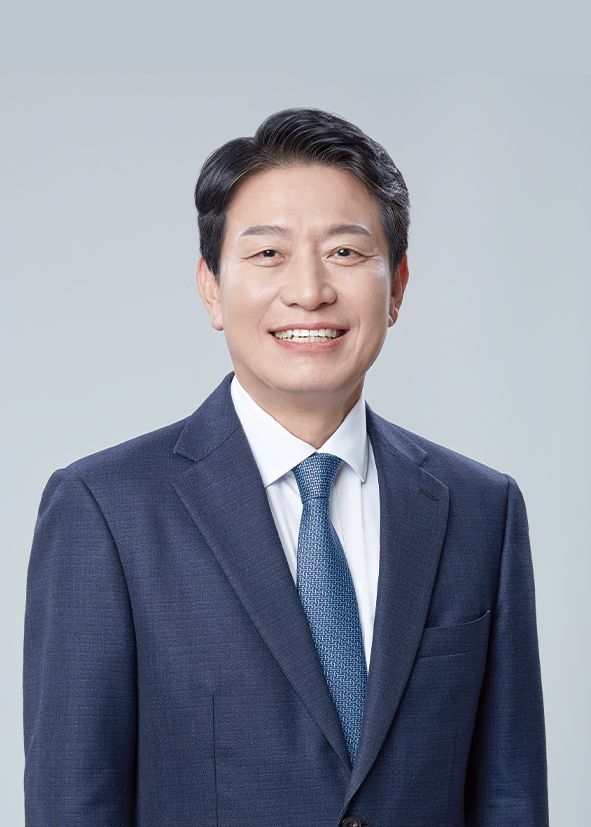
On the 12th, Jo In-cheol, a member of the National Assembly (Democratic Party of Korea·Gwangju Seo-gu Gap), announced that he has taken the lead in proposing the "Partial Amendment to the Broadcasting and Communications Development Basic Act," which includes online video services (OTT) such as Netflix, Disney+, and TVING, which have so far been excluded from the collection targets of the Broadcasting and Communications Development Fund.
The Broadcasting and Communications Development Fund is established to support the promotion of broadcasting and communications. It has been funded by government contributions, terrestrial broadcasters, comprehensive programming channels, news channels, IPTV, home shopping operators, and other broadcasting and telecommunications operators.
OTT services, including Netflix, which recorded domestic sales of 823.3 billion won last year, have become a pillar of the South Korean media ecosystem since COVID-19. However, they have been excluded from contributing to public resources such as funds for the development of the domestic content industry because they are not subject to collection.
Already, in Europe, Canada, and other countries, OTTs providing services similar to existing broadcasting and telecommunications operators are required to share the Broadcasting and Communications Development Fund. Accordingly, voices demanding the contribution of OTTs to the Broadcasting and Communications Development Fund have been rising domestically as well.
The amendment allows the collection of the Broadcasting and Communications Development Fund from OTT operators within 1% of their previous year's sales, and includes provisions to enable the fund to support fee reductions for the disabled and low-income groups.
Assemblyman Jo In-cheol said, "It is true that due to legal deficiencies, the responsibility for promoting broadcasting and communications has been solely limited to existing operators. As the media environment and influence have changed, it is reasonable for OTTs, which have been free riders until now, to also contribute to public resources."
© The Asia Business Daily(www.asiae.co.kr). All rights reserved.
![Clutching a Stolen Dior Bag, Saying "I Hate Being Poor but Real"... The Grotesque Con of a "Human Knockoff" [Slate]](https://cwcontent.asiae.co.kr/asiaresize/183/2026021902243444107_1771435474.jpg)















