"'Unrealistic Demand for a Grace Period of Over 7 Years'
External Agency Inspection Reveals Severe Aging of Sulfuric Acid Tank"
Amid Yeongpung filing a lawsuit with the court, claiming unfair trade practices over the suspension of sulfuric acid handling agency by Korea Zinc, Korea Zinc announced on the 3rd that its largest shareholder Yeongpung is forcing 'risk outsourcing.' The tension between Korea Zinc and Yeongpung, who are in a dispute over management rights, is escalating.
Korea Zinc stated, "Yeongpung has unilaterally demanded a grace period of as long as seven years over the past three months and has shown no willingness to negotiate," adding, "They are showing unreasonable behavior by unilaterally filing a lawsuit." Yeongpung filed a 'prevention of unfair trade practice claim' lawsuit against Korea Zinc at the Seoul Central District Court on the 20th of last month regarding the refusal to renew the sulfuric acid handling agency contract, and on the 2nd, they filed a provisional injunction to prohibit refusal of transactions as a preservation measure.
In April, Korea Zinc announced its position that it would be difficult to renew the sulfuric acid handling agency contract at Yeongpung Seokpo Smelter, scheduled for renewal on June 30, citing facility aging and other reasons three months in advance. Specifically, these reasons include ▲partial facility decommissioning due to aging sulfuric acid management facilities ▲safety issues and legal risks due to additional management of hazardous and harmful chemicals ▲lack of space due to continuous increase in its own production volume.
Repeated unilateral lawsuits instead of negotiations... "Is Yeongpung, the largest shareholder, bullying? The opposite is true"
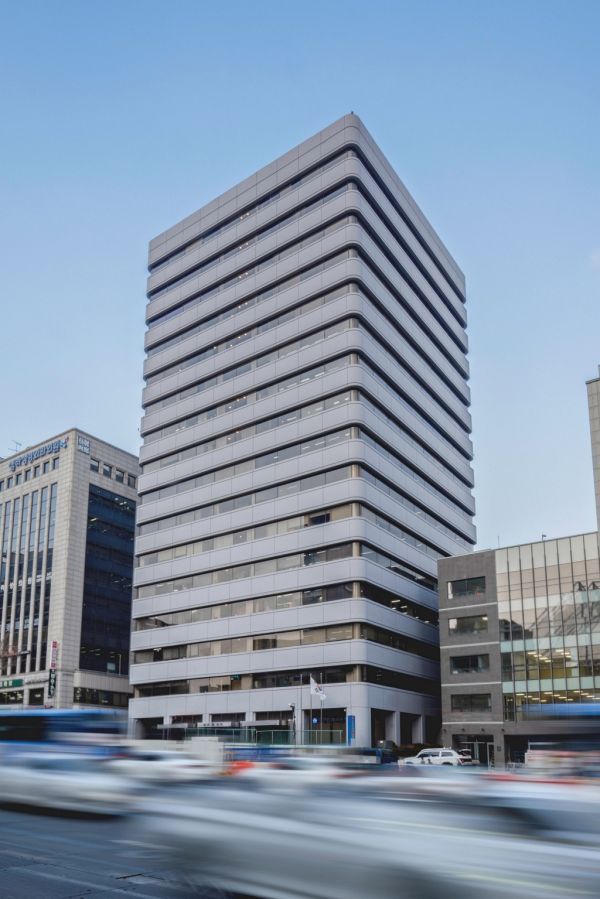
Korea Zinc said, "The contract can be terminated with prior notice according to the contract," and "However, we offered a three-month grace period to help Yeongpung respond to the contract termination, and stated that if Yeongpung requested negotiations with specific grounds, we would negotiate."
However, Korea Zinc judged that the 'more than seven years' grace period demanded by Yeongpung was unrealistic. Yeongpung did not mention any follow-up measures such as tank rental or alternative facility arrangements.
Korea Zinc requested additional explanations from Yeongpung regarding the grace period of more than seven years, but Yeongpung maintained an ambiguous stance, saying, "Even within seven years, if an alternative is prepared, we have no intention to entrust sulfuric acid-related work further," instead of presenting objective grounds.
Korea Zinc said, "Instead of sincerely engaging in further negotiations or discussions, Yeongpung is starting legal action in the form of lawsuits without prior notice to the negotiation party," adding, "They show no minimum respect for their negotiation partner and long-time business partner."
Korea Zinc stated, "Yeongpung mentions violations of the Fair Trade Act (abuse of superior bargaining position), but rather, Korea Zinc has been unfairly burdened with various hazardous material handling and responsibilities from Yeongpung, the largest shareholder, since the past, which is far from a superior bargaining position." It added, "It is common industry knowledge that without Yeongpung's pressure, Korea Zinc would not have handled the hazardous sulfuric acid discharged by its competitor Yeongpung under its own responsibility."
"No efforts to replace Yeongpung... shifting 'sulfuric acid tank costs and risk burdens'"
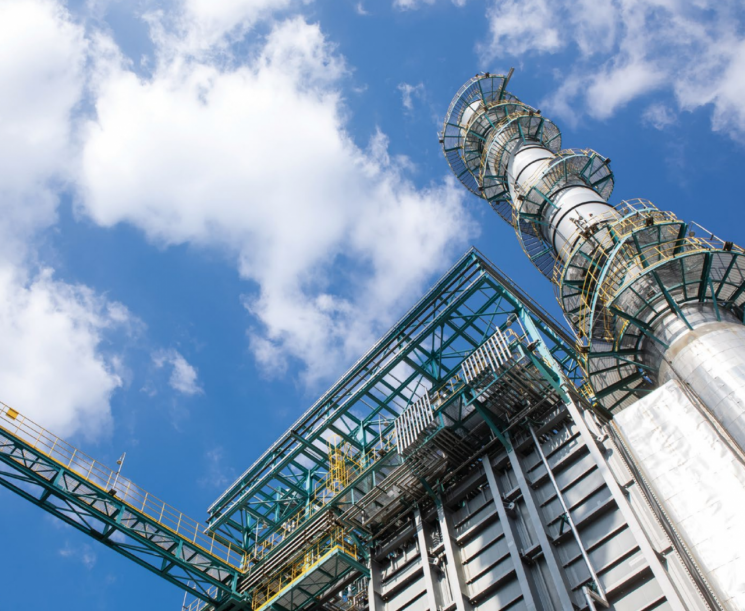
Korea Zinc claims that Yeongpung continuously tries to shift the costs and risk burdens related to sulfuric acid transportation and storage onto Korea Zinc.
Korea Zinc said, "Despite operating the smelter for over 50 years, Yeongpung itself does not have sulfuric acid storage facilities, which clearly shows Yeongpung's complacent attitude toward safety management."
Korea Zinc believes that it is not difficult for Yeongpung to establish its own sulfuric acid treatment system. "They can install their own tanks or lease tanks from external companies at several domestic ports," it said. Although they can utilize tank terminals on the west and south coasts via land transportation, they do not actively consider this simply because it would incur additional costs.
Korea Zinc judged that Yeongpung owns sulfuric acid tanks at Donghae Port and could expand their use, but this is also avoided due to cost concerns. Korea Zinc said, "They are trying to avoid directly bearing the costs and risk burdens of sulfuric acid treatment and storage."
Korea Zinc explained that external agency inspections have evaluated the sulfuric acid tanks at the Onsan smelter as severely aged, and demolition must be carried out soon. The Onsan smelter has already demolished five sulfuric acid tanks over the past two years. For aged tanks, severe corrosion could lead to major disasters caused by sulfuric acid leaks and serious environmental pollution, and the legal risks related to hazardous material management due to safety accidents are also becoming a burden.
Korea Zinc said, "The amount of sulfuric acid to be stored and treated is increasing due to increased zinc production and expansion of the nickel smelter," adding, "We are also considering using external specialized companies for workplace safety." It also mentioned that social, economic, and legal risks related to the storage and management of toxic substances are increasing, and opposition from residents near the Onsan railway line used for sulfuric acid transportation and environmental groups is adding to the burden.
© The Asia Business Daily(www.asiae.co.kr). All rights reserved.
![Clutching a Stolen Dior Bag, Saying "I Hate Being Poor but Real"... The Grotesque Con of a "Human Knockoff" [Slate]](https://cwcontent.asiae.co.kr/asiaresize/183/2026021902243444107_1771435474.jpg)
















